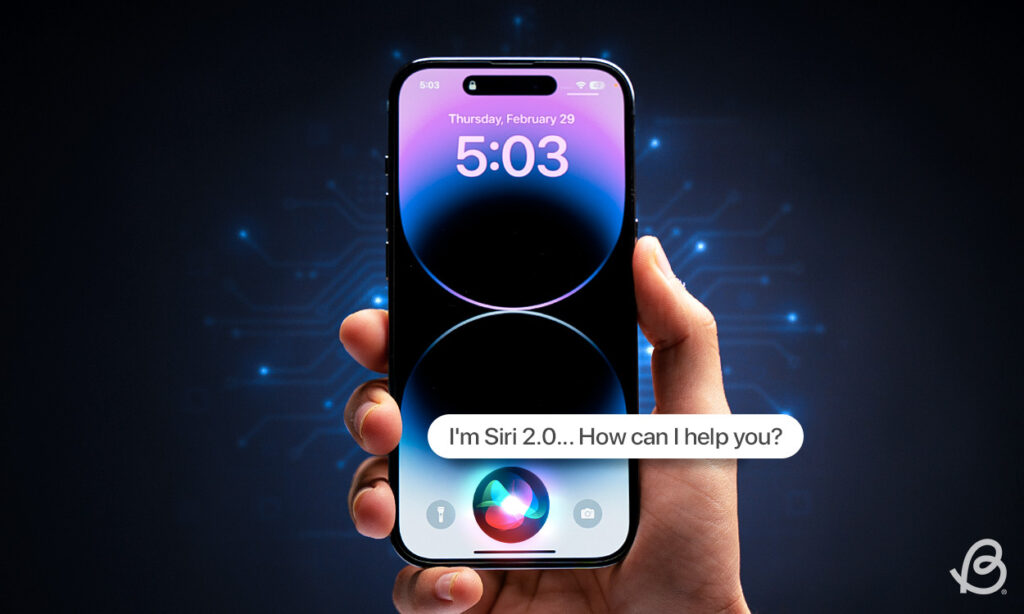
Siri is a voice-activated virtual assistant developed by Apple Inc. that helps users perform various tasks on their Apple devices through natural language commands. While Siri exhibits some characteristics of artificial intelligence (AI) by utilizing machine learning algorithms to improve its responses over time, it is not considered a true AI in the sense of possessing self-awareness or consciousness. Instead, Siri is a sophisticated example of machine learning technology that can understand and respond to user queries within predetermined parameters.
When it comes to virtual assistants, Siri is one of the most well-known and widely used. Many users interact with Siri on a daily basis, relying on it for various tasks. But have you ever wondered, is Siri real AI?
Defining Artificial Intelligence
Before we dive deeper into answering this question, let’s first define what artificial intelligence (AI) is. AI is the concept of developing machines or software that can perform tasks that usually require human intelligence. This includes tasks such as speech recognition, problem-solving, learning, and decision-making.
Understanding Siri’s Capabilities
Siri is a voice-activated virtual assistant developed by Apple. It was first introduced on the iPhone 4S in 2011. Siri uses natural language processing and machine learning techniques to understand and respond to user queries. It can perform tasks like setting reminders, sending messages, making phone calls, providing directions, and more.
The Role of Machine Learning in Siri
Machine learning is a key component behind Siri’s functionality. It allows Siri to learn from user interactions and improve its responses over time. When you ask Siri a question, it analyzes your query, compares it to available data, and generates a response based on its understanding.
Thanks to machine learning, Siri can adapt to individual users and their preferences. It can recognize speech patterns, understand accents, and even suggest personalized recommendations based on your usage patterns.
Limitations of Siri
While Siri utilizes AI technologies, it is important to note that Siri has its limitations. Siri’s interactions are primarily based on predefined commands and patterns. It may struggle with complex or ambiguous queries. Additionally, Siri heavily relies on an internet connection to process requests, which can limit its functionality in offline situations.
Compared to other virtual assistants like Google Assistant or Amazon Alexa, Siri may be considered less advanced in terms of conversational abilities and overall accuracy. However, Apple continues to invest in improving Siri’s capabilities with regular updates and refinements.
The Future of Siri
As technology continues to advance, the future of Siri looks promising. Apple is actively exploring ways to enhance Siri’s capabilities through advancements in AI and machine learning. With each new OS release, Siri’s functionalities are expanded to cover a broader range of tasks and provide more accurate responses.
Apple’s acquisition of AI-based startups and investments in research and development signify the company’s commitment to improving Siri. We can expect Siri to become more intelligent, efficient, and conversational in the future.
While Siri utilizes AI technologies and machine learning, it is important to understand that it has its limitations. Siri has come a long way since its initial release, but it has room for improvement in terms of its conversational abilities and accuracy. As technology continues to evolve, we can expect Siri to evolve with it, offering even more advanced features and capabilities.
Related posts:
 What is Artificial Intelligence with Examples?
 What are 4 Types of Artificial Intelligence?
 What is AI used in today?
 Is ChatGPT an AI?
 Is Siri an AI?
 Who created AI?
 Is AI a Mind or Machine?
 Why Do We Need AI?
 Is Google Maps an AI?
 Is Zoom an AI?
 Who owns ChatGPT?
 Can I do my own AI?
 How to Use Google AI: A Comprehensive Guide
 Is ChatGPT better than Siri?