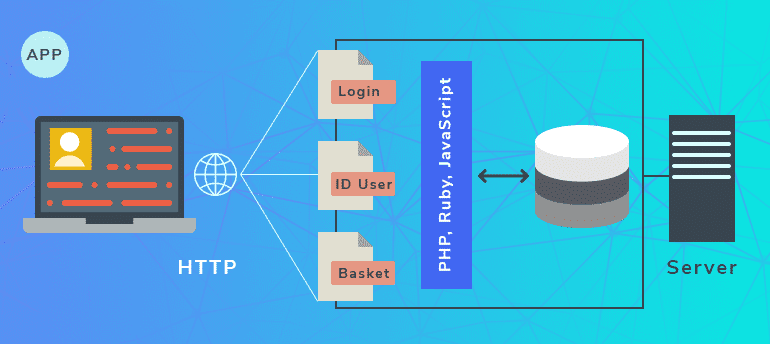
PHP is a popular server-side scripting language used to develop dynamic web applications. Redis is an in-memory data structure store known for its speed and versatility in handling various data structures. When it comes to session management in PHP applications, Redis can be utilized to store and manage session data efficiently. By using Redis for session management, developers can improve the performance and scalability of their applications by leveraging Redis’s capabilities for fast data retrieval and storage. This combination of PHP and Redis offers a robust solution for handling session data in web applications.
Redis is an open-source in-memory data structure store that can be used as a database, cache, and message broker. It provides high-performance and low-latency data storage and retrieval, making it an ideal choice for session management in PHP applications.
What is Session Management?
Session management is a critical aspect of web application development. It involves storing and retrieving user-specific data throughout a user’s session on a website. This data can include user authentication details, shopping cart information, user preferences, and more.
Why Use Redis for Session Management?
Using Redis for session management has several advantages:
- Fast Performance: Redis is an in-memory data store, meaning data is stored and accessed from the server’s RAM. This makes session data retrieval extremely fast, providing an excellent user experience.
- Scalability: Redis is designed to handle a large number of concurrent connections and can scale horizontally across multiple servers, allowing for easy expansion as your application grows.
- Persistence: Redis allows you to persist session data to disk, ensuring data durability in case of server failures or restarts.
- Atomic Operations: Redis supports atomic operations, meaning it can execute multiple commands as a single unit of work. This ensures that session data is updated consistently, even in high-concurrency scenarios.
- Advanced Data Structures: Redis provides advanced data structures such as sets, lists, and hashes, allowing for efficient storage and retrieval of complex session data.
Using Redis for Session Management in PHP
To use Redis for session management in PHP, you’ll need to install the Redis extension for PHP and have a Redis server up and running. Once you have the necessary setup, follow these steps:
Step 1: Configure PHP to Use Redis as Session Handler
In your PHP configuration file (php.ini), locate the session.save_handler directive and set it to redis:
session.save_handler = redis
If your Redis server is running on a different host or port, you can set the Redis server details using the session.save_path directive:
session.save_path = "tcp://<redis_host>:<redis_port>"
Step 2: Start a Redis Session in PHP
In your PHP script, start a Redis session using the session_start() function:
<?php

session_start();

?>
Once the session has started, you can store and retrieve session data using the standard $_SESSION superglobal array:
<?php

// Storing session data

$_SESSION['user_id'] = 123;

$_SESSION['username'] = 'john_doe';
// Retrieving session data
$user_id = $_SESSION['user_id'];
$username = $_SESSION['username'];
?>
Step 3: Configuring Session Expiry and Garbage Collection
By default, Redis does not automatically expire session data. To set an expiration time for sessions, you can use the session.gc_maxlifetime directive in your PHP configuration file. The value is defined in seconds:
session.gc_maxlifetime = 3600
The above example sets the session expiry time to 1 hour (3600 seconds).
To enable Redis garbage collection for expired sessions, set the session.gc_probability directive to a non-zero value and specify redis as the session.gc_divisor:
session.gc_probability = 1
session.gc_divisor = 100
session.gc_divisor = redis
Using Redis for session management in PHP offers improved performance, scalability, and persistence for your web applications. With its fast data retrieval, support for atomic operations, and advanced data structures, Redis is an excellent choice for handling session data.
By following the steps outlined in this article, you can take advantage of Redis’s capabilities for session management and provide a seamless user experience for your website visitors.
Whether you’re building a small-scale application or a large-scale enterprise system, consider leveraging Redis for efficient session management in PHP. Its features and optimizations make it a powerful tool for enhancing your web application’s performance and scalability.
Utilizing Redis for session management in PHP offers enhanced performance and scalability benefits by efficiently handling session data storage and retrieval. Redis’s in-memory data storage and high-speed processing capabilities make it a reliable choice for managing sessions in PHP applications, ensuring optimal user experience and system performance. By integrating Redis with PHP, developers can streamline session handling processes and improve application performance significantly.
Related posts:
 How to Build a Knowledge Base with PHP
 How to Integrate PHP with Twilio for SMS Notifications
 How to Create a Custom Video Streaming Platform with PHP
 PHP for Building a Real-Time Analytics Dashboard
 PHP for Developing a Personal Finance Management Tool
 How to Create a Multi-Vendor Marketplace with PHP
 How to Create a Crowdsourcing Platform with PHP
 How to Create a Custom Voting and Election System with PHP
 How to Build a Custom E-Commerce Marketplace with PHP
 PHP for Developing an Online Booking Engine
 PHP for Building a Real-Time Sports Scoreboard
 PHP for Developing a Real-Time Customer Support Chat
 How to Use PHP for Building a Custom Time Tracking Tool
 PHP for Building a Real-Time Performance Monitoring Tool