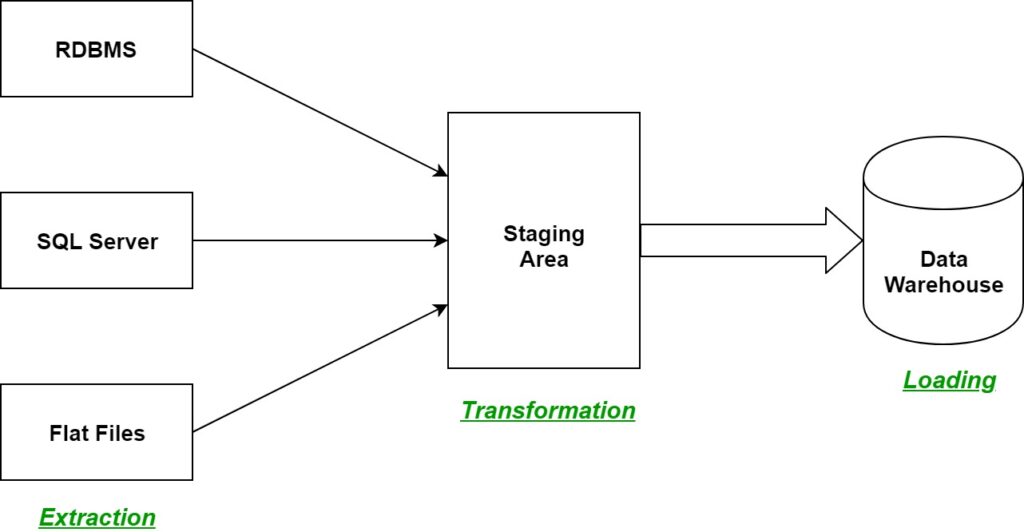
In the realm of Big Data, performing Extract, Transform, Load (ETL) operations is crucial for effectively managing and analyzing vast amounts of data. ETL processes involve extracting data from multiple sources, transforming it into a format suitable for analysis, and loading it into a data warehouse or target system. This introduction will explore the key considerations and best practices for performing ETL operations in the context of Big Data, highlighting the importance of scalability, data quality, and efficiency in harnessing the power of large datasets.
Understanding ETL in the Context of Big Data
ETL, which stands for Extract, Transform, and Load, is a crucial process in converting raw data into a usable format. In the realm of Big Data, this tri-phased approach ensures that data is effectively gathered, processed, and stored for analysis. The ETL process becomes increasingly complex as data volumes grow, necessitating the use of advanced tools and techniques to handle the scale.
Step 1: Extracting Data
The first step in the ETL process is extraction, which involves collecting data from various sources. Big Data typically encompasses numerous data sources, including databases, data lakes, APIs, and cloud services. Here are several methods employed for data extraction:
- Batch Extraction: Data is extracted in large volumes at specific intervals, ideal for non-time-sensitive data.
- Real-Time Extraction: Uses stream processing to extract data in real-time, suitable for applications needing immediate insights.
- Change Data Capture (CDC): This technique allows for the extraction of only those records that have changed since the last extraction.
Popular tools for data extraction include Apache Nifi, Talend, and Apache Kafka. These tools facilitate connections to different data sources, making it easy to gather data efficiently.
Step 2: Transforming Data
Once data has been extracted, it proceeds to the transformation phase. This is where raw data is cleaned, enriched, and converted into a suitable format for analysis. Key transformation processes include:
- Data Cleaning: Removing duplicates, correcting errors, and standardizing formats are essential to ensure high-quality data.
- Data Aggregation: Summarizing vast datasets to produce useful insights while reducing noise.
- Data Enrichment: Integrating external data sources to add context and value to the primary dataset.
- Data Type Conversion: Changing data types as per analysis requirements, such as converting string dates to timestamp formats.
- Schema Evolution: Adjusting the data structure to accommodate new requirements or refined analytics.
Common tools for the transformation phase include Apache Spark, Apache Beam, and Informatica. These tools provide extensive libraries and functionalities that simplify complex transformations.
Step 3: Loading Data
The final step in the ETL process is loading the transformed data into the target storage system, which could be a data warehouse, data lake, or other storage solutions. The loading process can be either:
- Full Loads: The entire dataset is loaded into the destination storage. This is often utilized initially.
- Incremental Loads: Only new or modified records are loaded, significantly reducing the amount of data transferred and enhancing performance.
ETL tools like Amazon Redshift, Google BigQuery, and Snowflake provide optimized loading capabilities tailored for large datasets.
ETL Architectures for Big Data
As Big Data continues to evolve, so do the architectures supporting ETL operations. Some of the popular ETL architectures include:
- On-Premises ETL: Traditional approach using local servers to handle ETL processes. It offers high control but demands significant infrastructure investment.
- Cloud-based ETL: Utilizing cloud platforms (e.g., AWS, Azure) for processing power and storage. This method offers scalability and flexibility.
- Hybrid ETL: Combining on-premises and cloud services to leverage advantages from both environments. It offers optimized performance, especially for organizations with diverse data needs.
Challenges in ETL for Big Data
While ETL plays a critical role in processing Big Data, various challenges can impede its effectiveness:
- Data Volume: The sheer size of Big Data can strain traditional ETL processes, leading to increased latency.
- Data Variety: Handling different data formats and structures (e.g., structured, semi-structured, unstructured) requires advanced transformation techniques.
- Data Velocity: Rapidly generated data necessitates real-time processing capabilities, which poses scalability issues.
- Integration Complexity: Connecting multiple data sources seamlessly increases complexity, especially if there are dependencies between systems.
Optimizing ETL Processes
For organizations to improve their ETL operations, several best practices can be implemented:
- Automation: Automating repetitive tasks can free up resources and reduce errors in the extraction and loading phases.
- Monitoring: Use monitoring tools to track the performance of ETL processes in real-time. Tools like Apache Airflow can automate scheduling and alerting.
- Data Governance: Establish data governance policies to ensure data quality and compliance throughout the ETL lifecycle.
- Use of Scalable Architecture: Leveraging cloud-based ETL tools allows organizations to scale their operations based on changing data loads.
- Incremental Processing: Instead of loading full datasets repeatedly, implement incremental data loading to optimize performance.
Tools and Technologies for ETL Operations
The Big Data ecosystem features numerous tools designed specifically for ETL operations. Here are some leading solutions:
- Apache Spark: Known for its fast processing capabilities, Spark supports batch and stream processing, making it ideal for Big Data ETL operations.
- Apache NiFi: This tool excels at data routing, transformation, and system mediation logic, perfect for data flow management.
- Talend: An open-source ETL tool that offers cloud integration and robust data processing capabilities, making it a popular choice among enterprises.
- AWS Glue: A fully managed ETL service that simplifies the preparation of data for analytics, leveraging the power of Amazon’s cloud infrastructure.
- Azure Data Factory: Provides rich data integration capabilities on the Azure cloud, supporting connecting various services.
Future Trends in ETL for Big Data
As technology evolves, the ETL landscape is adapting, and several emerging trends are shaping its future:
- Real-Time ETL: Increasing demand for immediate insights is spurring the adoption of real-time ETL solutions that process data as it arrives.
- Machine Learning Integration: ML models are being integrated into ETL processes for smarter data transformation and predictive analytics.
- DataOps: The application of DevOps principles to data management processes is gaining traction, improving collaboration and efficiency.
- Serverless ETL: This trend emphasizes the use of serverless architecture to minimize operational overhead and cost.
Conclusion
Mastering ETL operations in the context of Big Data is essential for organizations looking to leverage the vast amounts of data they collect. With a focus on effective extraction, transformation, and loading techniques, coupled with the latest tools and strategies, businesses can navigate the complexities of Big Data and unlock its immense potential.
Performing ETL operations for Big Data is crucial for efficiently processing and analyzing vast amounts of data. By implementing scalable and automated ETL processes, organizations can streamline data integration, cleansing, and transformation, ultimately enabling better decision-making and insights. Prioritizing data quality, performance optimization, and data governance are essential components of successful ETL operations in the realm of Big Data.
Related posts:
 Understanding Data Pipelines in Big Data
 What is Apache Hadoop? A Complete Guide
 Introduction to NoSQL Databases for Big Data
 Understanding HBase: How it Works in the Hadoop Ecosystem
 Natural Language Processing (NLP) with Big Data
 How Big Data is Used in Deep Learning Applications
 Sentiment Analysis with Big Data and AI
 Big Data in Smart Cities: Applications and Challenges
 Big Data and Retail: How It’s Changing the Shopping Experience
 Big Data in Agriculture: Precision Farming and Analytics
 What is Predictive Analytics in Big Data?
 Data Science vs. Big Data Analytics: Key Differences
 Data Partitioning Strategies for Big Data Scalability
 The Importance of Data Governance in Big Data