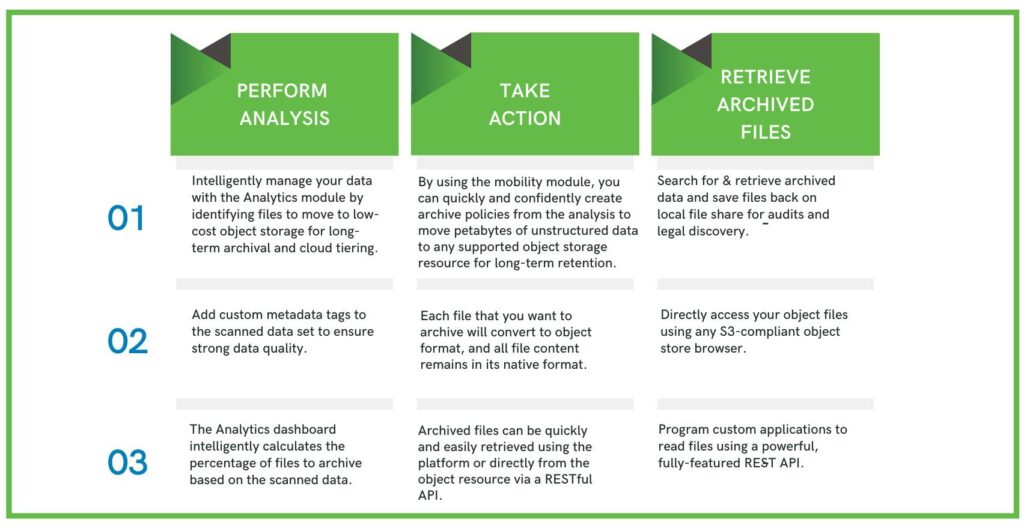
In the realm of Big Data, the sheer volume and velocity of data generated can pose significant challenges in terms of storage, processing, and management. As organizations strive to derive meaningful insights from massive datasets, implementing effective data archival strategies becomes paramount. Data archival is not merely about storing old data, but rather a strategic approach to optimize resource utilization, ensure compliance with regulations, and enhance data accessibility and usability. This article delves into best practices and considerations for implementing data archival strategies tailored specifically for Big Data environments, exploring how organizations can effectively manage and maintain their vast troves of data.
Understanding Data Archiving
Data archiving is the process of moving data that is not actively used to a separate storage system for long-term retention. For organizations managing large volumes of data, adopting effective archival strategies is critical to maintaining optimal performance, compliance, and cost-effectiveness. This is especially pertinent in the context of big data, where traditional data management practices often fall short in accommodating scalability and complexity.
Importance of Data Archival in Big Data
Implementing a robust data archival strategy is essential for several reasons:
- Cost Efficiency: Storing active data on expensive high-performance storage can be costly. Archiving data to cheaper storage solutions significantly reduces operational costs.
- Regulatory Compliance: Various industries are required to maintain records for extended periods. An effective archival strategy ensures compliance with legal and regulatory mandates.
- Performance Improvement: Reducing the amount of data in active systems improves access speeds and overall application performance.
- Risk Management: Archived data can serve as a recovery point in case of data loss incidents, enhancing an organization’s disaster recovery efforts.
Key Components of a Data Archival Strategy
A successful data archival strategy for big data consists of several key components:
1. Data Classification
Start by categorizing your data into different classes based on usage frequency, relevance, and regulatory requirements. Data should be ranked as:
- Hot Data: Frequently accessed and requires quick performance.
- Warm Data: Occasionally accessed, and can tolerate some latency.
- Cold Data: Infrequently accessed; ideal for archival.
2. Choosing the Right Storage Solution
Big data archival requires specially designed storage solutions. Several options include:
- Cloud Storage: Services like AWS S3, Google Cloud Storage, and Azure offer scalable and cost-effective options for archiving.
- On-Premises Solutions: For organizations requiring more control over their data, on-premises solutions such as tape libraries may be more suitable.
- Hybrid Solutions: Combining on-premises and cloud storage can optimize cost and accessibility.
3. Data Retention Policies
Establish comprehensive data retention policies that govern how long different types of data are retained. Factors to consider include:
- Legal and Compliance Needs: Some data must be retained for specific periods.
- Business Needs: Consider the relevance of the data for operational insights.
- Cost of Retention: Assess the financial implications of retaining data for extended periods.
4. Data Migration Strategies
Transitioning data to an archival system can be complex. Consider using the following data migration strategies:
- Incremental Migration: Move data in phases to minimize disruptions.
- Batch Processing: Group data for migration based on certain criteria (e.g., age, type).
- Automation: Use tools that automate the migration process, reducing manual errors.
5. Indexing and Metadata Management
To facilitate quick retrieval of archived data, implement indexing and manage metadata effectively. This includes:
- Creating Indexes: Index data for faster search operations.
- Metadata Tags: Use descriptive metadata tags that make searching and retrieving archived data easier.
Implementing Your Data Archival Strategy
Now that you have a foundation for your archival strategy, follow these implementation steps:
Step 1: Assess Current Data Management Practices
Review your existing data management processes, tools, and storage solutions. Identify bottlenecks and inefficiencies that can be improved through data archival.
Step 2: Develop a Clear Plan
Creating a detailed plan is crucial. Your plan should include:
- Goals: Define what you want to achieve with data archival.
- Timeline: Set realistic timelines for implementation phases.
- Resource Allocation: Identify the personnel and technologies required for successful implementation.
Step 3: Begin with a Pilot Program
Implement a pilot program to test your archival strategies on a small scale. Monitor results and gather feedback to refine your approach before a full-scale rollout.
Step 4: Train Your Team
Training is crucial for success. Ensure your team understands the new processes, tools, and the importance of data management and archival.
Step 5: Monitor and Optimize
Regularly review your archival strategy. Monitor data retrieval times, costs, and compliance with regulatory standards. Make adjustments as needed to optimize performance and efficiency.
Technologies Supporting Data Archival
Numerous technologies can aid in implementing an efficient data archival strategy:
1. Data Lakes
Data lakes are used to store vast amounts of unprocessed data. They allow organizations to retain data in its raw form, which can be beneficial for future analytics needs.
2. Data Warehousing
Data warehousing solutions are structured environments designed for analytics. They can support archival needs by allowing businesses to categorize and retrieve historical data efficiently.
3. Archive Management Software
Tools specifically designed for archive management can automate several tasks such as data migration, indexing, and retrieval.
Compliance and Security Considerations
Ensuring data security and compliance is paramount in the archival process. Here are some critical considerations:
1. Data Encryption
Data encryption should be used to protect archived data, ensuring that sensitive information remains secure even when stored in less active environments.
2. Regular Audits
Perform periodic audits to ensure that your archival processes meet compliance standards and that data integrity is maintained.
3. Access Controls
Implement strict access controls to ensure that only authorized personnel can access archived data.
Future Trends in Data Archival for Big Data
As data grows and technology evolves, consider these emerging trends in data archival:
1. Automated Archival Processes
As organizations implement Artificial Intelligence and Machine Learning, automated archival processes are becoming more prevalent, allowing for real-time data management adjustments.
2. Data Preservation Techniques
New data preservation techniques are being developed to extend the lifespan and accessibility of archived data, ensuring that businesses can retrieve valuable information in the future.
3. Increased Emphasis on Cost Management
Organizations will increasingly focus on cost management in data archival, utilizing hybrid models that combine on-premises and cloud solutions for optimal efficiency.
Implementing data archival strategies for Big Data is crucial for organizations to efficiently manage their ever-growing data volumes, optimize storage resources, and ensure compliance with data regulations. By following best practices such as defining criteria for data retention, leveraging appropriate storage technologies, and automating archival processes, businesses can effectively handle the challenges posed by the explosion of data in the era of Big Data. This strategic approach not only enhances data accessibility and retrieval efficiency but also drives cost savings and improves overall data governance.
Related posts:
 The Five Vs of Big Data: Volume, Velocity, Variety, Veracity, and Value
 Introduction to Distributed Computing in Big Data
 Understanding Data Pipelines in Big Data
 What is Apache Hadoop? A Complete Guide
 Understanding Apache Spark: Features and Use Cases
 Introduction to NoSQL Databases for Big Data
 Understanding HBase: How it Works in the Hadoop Ecosystem
 The Intersection of Big Data and Artificial Intelligence
 How Big Data Powers Machine Learning Models
 Natural Language Processing (NLP) with Big Data
 How Big Data is Used in Deep Learning Applications
 Sentiment Analysis with Big Data and AI
 Real-Time AI and Big Data: How It Works
 The Impact of Big Data on Financial Services and Banking