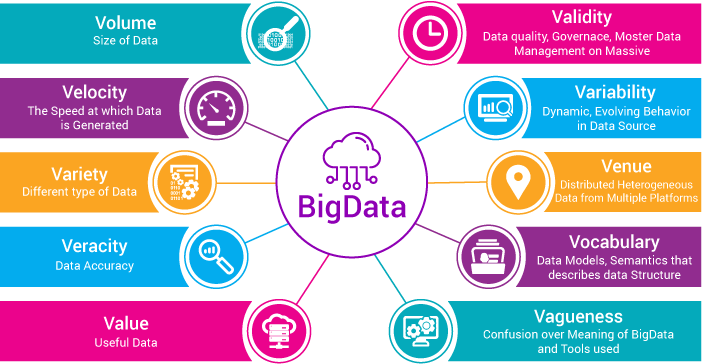
In the realm of Big Data applications, optimizing data transfer is critical to ensure efficiency, speed, and cost-effectiveness. The ability to swiftly and securely move vast amounts of data between storage systems, processing engines, and analytical tools is essential for maximizing the performance of Big Data workflows. In this article, we will explore key strategies and best practices to optimize data transfer for Big Data applications, enabling organizations to harness the full potential of their data assets.
Understanding the Need for Data Transfer Optimization
In the realm of Big Data, the efficiency of data transfer is critical. As organizations increasingly rely on data-driven insights, the transfer of large datasets within Big Data applications must be streamlined. This ensures not only quick access to data but also enhances processing capabilities and improves the overall performance of analytical systems.
Key Factors Influencing Data Transfer
Several factors can significantly affect the speed and efficiency of data transfer:
- Network Bandwidth: The amount of data that can be transmitted over a network in a given time frame.
- Latency: The delay before a transfer starts, affecting real-time data processing.
- Data Size: Larger datasets take longer to transfer, necessitating optimization strategies.
- Data Format: The format of the data can impact the speed of transfer; compressed formats are often faster.
Strategies for Optimizing Data Transfer
1. Data Compression
Compressing data decreases its size, thus reducing the amount of time taken for data transfer. Formats such as gzip, Snappy, and Parquet offer data compression capabilities tailored for Big Data frameworks.
2. Data Partitioning
Partitioning large datasets can help in optimizing data transfer. By dividing the data into smaller chunks, it becomes easier to manage and transfer them concurrently. This can be implemented using horizontal or vertical partitioning techniques.
3. Parallel Data Transfer
Utilizing multiple streams to transfer data can significantly speed up the process. Technologies such as Apache Kafka or Apache Flume allow for the parallel transfer of data, effectively increasing throughput and reducing latency.
4. Using High-Performance File Transfer Protocols
Avoid standard file transfer protocols; instead, opt for protocols built for Big Data applications. Hadoop Distributed File System (HDFS) is designed for high-throughput access to application data and is optimized for large files.
5. Data Locality Optimization
Data locality refers to the placement of data close to where it is being processed. By ensuring that data is stored on the same nodes as processing tasks, the need for data transfer across the network is minimized, thereby enhancing performance.
6. Load Balancing
Implement a load-balancing strategy that efficiently distributes data workloads across servers. This can alleviate bottlenecks during data transfer and ensure that no single machine becomes overwhelmed.
Best Practices for Enhanced Performance
1. Regularly Monitor Network Performance
To maintain optimal data transfer, regular monitoring of the network’s performance is essential. This includes checking for bandwidth usage, latency spikes, and potential bottlenecks that can hinder data transfer.
2. Optimize Data Formats
Choosing the right data format can greatly impact transfer speed. Formats like Avro and ORC are designed to support large volumes of Big Data and can be more efficient than other formats, especially for storage and transfer.
3. Use Caching Wisely
Caching frequently accessed data can minimize the need for repeated transfer. By keeping data in a readily available state, you can subsequently enhance response times and reduce overall traffic on the network.
4. Implement Asynchronous Data Transfer
Asynchronous data transfer allows the sender and receiver to operate independently, enabling other tasks to progress while data is being sent. This is particularly useful in high-volume data environments where real-time processing is necessary.
5. Leverage Content Delivery Networks (CDNs)
Using CDNs can help in distributing data efficiently across various geographical locations. This not only enhances data accessibility but also minimizes latency for end-users, particularly in global operations.
Tools for Optimizing Data Transfer
Several tools can facilitate the optimization process:
- Apache Nifi: A powerful tool for automating the flow of data between systems, allowing for efficient data routing and transformation.
- Apache Spark: Great for processing large datasets in parallel across clusters, thus optimizing data extraction and transformation.
- RabbitMQ: A message queuing service that can help manage large volumes of data transfers effectively.
Challenges to Consider
While optimizing data transfer for Big Data applications, several challenges may arise:
- Data Security: Ensuring data integrity and confidentiality during transfer is paramount, especially with sensitive information.
- Scalability: As data volumes grow, the optimization methods must scale effectively to ensure ongoing performance.
- Data Quality: Maintaining high-quality data throughout the transfer process is essential to avoid discrepancies in analytics.
Conclusion – Emphasizing Continuous Improvement
Optimizing data transfer for Big Data applications is not a one-time task; it requires continuous monitoring and improvement. Through implementing effective strategies, utilizing the right tools, and overcoming challenges, organizations can significantly enhance their Big Data processing capabilities and drive better business outcomes.
Optimizing data transfer for Big Data applications is essential in maximizing efficiency and performance. By utilizing techniques such as data compression, parallelism, and network optimization, organizations can ensure seamless and fast data transfer processes. Embracing modern technologies and strategies in data transfer will not only enhance the overall performance of Big Data applications but also lead to significant cost savings and improved productivity.
Related posts:
 The Role of MLOps in Managing Big Data AI Models
 The Role of Data Provenance in Big Data Auditing and Compliance
 The Role of Active Learning in Optimizing Big Data Model Training
 The Impact of Causal Inference on Decision-Making in Big Data
 How to Leverage Swarm Intelligence for Big Data Optimization
 The Future of Digital Twins in Large-Scale Big Data Simulations
 The Role of Causal AI in Understanding Big Data Relationships
 How to Perform Large-Scale Time Series Forecasting with Big Data
 How to Perform Real-Time Outlier Detection in Big Data Pipelines
 The Future of AI-Powered Data Wrangling for Big Data Scientists
 The Role of Synthetic Tabular Data Generation in Big Data Training Sets
 The Impact of Transfer Learning on Large-Scale AI Models
 The Role of AI in Automated Feature Selection for Big Data Models
 How to Optimize Query Execution in Distributed Big Data Systems