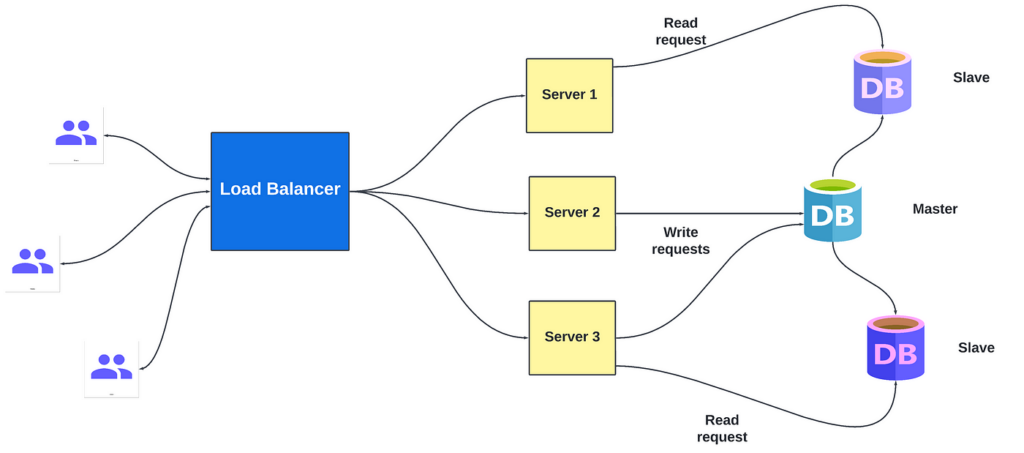
In the realm of Big Data, the efficiency and reliability of data processing are paramount. Data replication plays a crucial role in ensuring the availability and durability of data in distributed Big Data systems. By replicating data across multiple nodes, organizations can improve fault tolerance, enhance data locality, and boost overall system performance. This practice not only safeguards against data loss but also accelerates data access and processing, enabling businesses to derive valuable insights faster and more effectively from their vast datasets. In this article, we will delve into the significance of data replication in distributed Big Data systems and explore the key benefits it offers in harnessing the power of large-scale data processing.
In the era of Big Data, where vast amounts of information are generated every second, the ability to efficiently manage and utilize this data is crucial. One of the fundamental techniques employed in distributed systems is data replication. This process involves creating copies of data across various nodes in a distributed environment, thereby enhancing performance, reliability, and availability.
Understanding Data Replication
Data replication refers to the method of storing copies of data in more than one location. In the context of distributed big data systems, this is especially important, as data may be spread across multiple servers or even geographic locations. Replication helps ensure that data can be accessed quickly and reliably by multiple users or applications.
The Role of Data Replication in Big Data Systems
Data replication serves several critical functions in big data environments. Below are some of the key roles it plays:
1. Enhanced Data Availability
One of the primary reasons for implementing data replication is to enhance data availability. In the event of a node failure, having copies of the data on other nodes ensures that users can still access critical information. This is vital for businesses that rely on real-time data access to make informed decisions.
2. Improved Data Performance
Data replication can significantly improve the performance of big data systems. By storing multiple copies of data in different geographic locations, organizations can reduce latency and speed up data retrieval times. Users can access the nearest replica, which minimizes delays due to network latency.
3. Fault Tolerance and Data Recovery
Data replication provides a level of fault tolerance essential for the reliability of distributed systems. In the event of hardware failures, data corruption, or other unforeseen issues, having replicas allows for quick recovery. This redundancy protects against data loss, enhancing the overall reliability and robustness of the system.
4. Load Balancing
In large-scale environments, one of the challenges is managing user requests and modifying loads effectively. Data replication assists with load balancing by allowing multiple servers to handle data requests. As a result, system performance remains optimal even during peak usage times.
5. Increased Query Performance
Distributed big data systems often handle complex queries. With replicated data, the system can direct queries to the appropriate replica, significantly improving performance. This is particularly helpful in analytical processing scenarios where numerous queries are executed simultaneously.
Types of Data Replication
There are several approaches to data replication in distributed systems. Understanding these can help organizations select the most appropriate method for their specific needs:
1. Synchronous Replication
Synchronous replication involves real-time copying of data to multiple locations. While this method offers high data consistency, it can lead to increased latency since transactions must be completed in all locations simultaneously. This type is common in applications that require strict consistency, such as financial systems.
2. Asynchronous Replication
Asynchronous replication, on the other hand, allows data to be copied to replicas after the initial transaction has been completed. This method can significantly reduce latency and improve performance, but it comes at the cost of eventual consistency. Asynchronous replication is widely used in big data environments where immediate consistency is less critical.
3. Multi-Master Replication
In multi-master replication, multiple nodes can accept write operations. This flexibility increases availability and ensures that updates can be made at different locations. However, it requires sophisticated conflict resolution mechanisms to manage inconsistencies across replicas.
Challenges of Data Replication
While data replication offers numerous benefits, it also presents several challenges:
1. Increased Storage Costs
Maintaining multiple copies of data can significantly increase storage costs. Organizations must weigh the benefits of replication against these costs and consider their budget when deciding on replication strategies.
2. Data Consistency Issues
One of the most significant challenges in a replicated environment is maintaining data consistency. In systems using asynchronous replication, inconsistencies may exist for some time, which can lead to challenges in data integrity.
3. Complexity in Management
Managing a replicated architecture can be complex. Keeping track of data across various sites, ensuring correct configurations, and dealing with synchronization processes can add layers of complexity that require specialized knowledge and resources.
Best Practices for Implementing Data Replication
To maximize the benefits of data replication while minimizing the challenges, organizations should consider the following best practices:
1. Define Clear Replication Strategies
Before implementing replication, it’s essential to define clear strategies based on business needs. Organizations should analyze their requirements for availability, consistency, and performance to select the appropriate replication type.
2. Continuously Monitor Data Replication
Monitoring is critical to ensure that data replication is functioning as intended. Organizations should implement tools that provide insights into the health of replicas, track synchronization processes, and detect anomalies.
3. Optimize for Performance
Evaluating and optimizing the performance of data replication can minimize latency issues. This may include assessing the network infrastructure and adjusting the configuration of replication processes to better suit application needs.
4. Test Regularly
Regular testing of data replication strategies is essential. Organizations should conduct failover tests and simulate node failures to ensure that their data replication processes are resilient and effective under various scenarios.
5. Balance Between Cost and Benefits
Organizations should continuously assess the balance between the costs associated with data replication and the benefits it provides. In some cases, optimizing data storage and replication methods can lead to significant savings while still achieving the desired performance and availability.
Conclusion: The Essential Role of Data Replication
Data replication is an indispensable component of distributed big data systems. By enhancing availability, improving performance, and providing fault tolerance, data replication plays a vital role in modern data management strategies. Despite the challenges and costs associated with replication, the benefits it provides make it a crucial element for any organization aiming to leverage big data effectively.
Data replication plays a critical role in ensuring reliability, availability, and performance in distributed Big Data systems. By duplicating data across multiple nodes, it enhances fault tolerance and minimizes latency, ultimately contributing to the efficient processing and analysis of large-scale datasets. Embracing data replication is essential in harnessing the full potential of Big Data technologies for driving data-driven decision-making and innovation across various industries.
Related posts:
 The Five Vs of Big Data: Volume, Velocity, Variety, Veracity, and Value
 Introduction to Distributed Computing in Big Data
 Understanding Data Pipelines in Big Data
 What is Apache Hadoop? A Complete Guide
 Understanding Apache Spark: Features and Use Cases
 Introduction to NoSQL Databases for Big Data
 Understanding HBase: How it Works in the Hadoop Ecosystem
 The Intersection of Big Data and Artificial Intelligence
 Natural Language Processing (NLP) with Big Data
 How Big Data is Used in Deep Learning Applications
 Sentiment Analysis with Big Data and AI
 Real-Time AI and Big Data: How It Works
 The Impact of Big Data on Financial Services and Banking
 Big Data in Smart Cities: Applications and Challenges