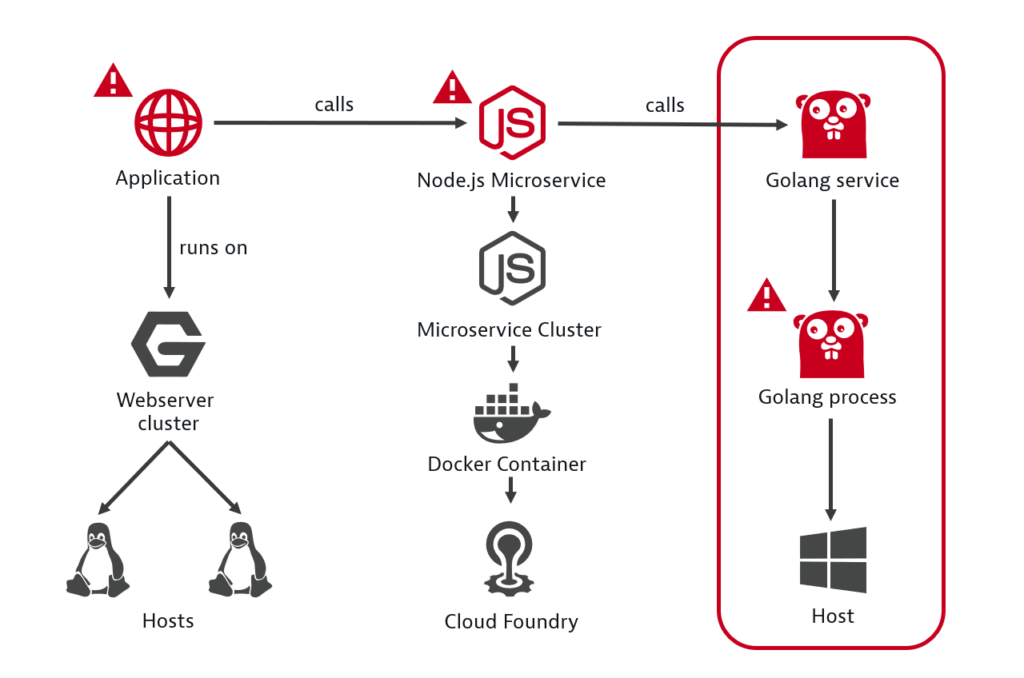
In the realm of Big Data, identifying and resolving issues quickly and efficiently is paramount to maintaining smooth data operations. One powerful tool that can aid in this process is AI-powered Root Cause Analysis. By harnessing the capabilities of artificial intelligence, this method helps Big Data professionals pinpoint the underlying reasons for data processing errors or anomalies swiftly. In this guide, we will explore how to leverage AI-powered Root Cause Analysis effectively in Big Data debugging, enabling data practitioners to enhance the performance and reliability of their data systems.
Big Data has revolutionized the way organizations collect, store, and analyze information. However, with the vast amounts of data generated, debugging and identifying issues within data processing systems has become increasingly complex. Traditional debugging methods often fall short in this dynamic landscape. This is where AI-powered root cause analysis steps in, offering sophisticated solutions to streamline debugging processes and improve data quality.
Understanding Root Cause Analysis in Big Data
Root Cause Analysis (RCA) is a systematic approach to identify the fundamental causes of problems or issues within a system. In the context of Big Data, RCA is essential in isolating faults that can arise from data ingestion, processing, or analytics. By pinpointing the root cause of a problem, organizations can implement fixes that not only address the immediate issue but also mitigate future occurrences.
The Role of AI in Root Cause Analysis
Artificial Intelligence plays a pivotal role in enhancing traditional RCA techniques. By leveraging AI, organizations can automate the analysis of vast datasets, uncovering insights and patterns that might be overlooked by human analysts.
Key Benefits of AI-Powered RCA
- Speed: AI algorithms can process large datasets at lightning speed, significantly reducing the time required for analysis.
- Accuracy: AI models learn from previous data, enabling them to provide highly accurate predictions and insights.
- Scalability: AI systems can easily scale to handle growing datasets, ensuring consistent performance as data volumes increase.
- Proactivity: Predictive analytics powered by AI can help identify potential issues before they escalate into significant problems.
Steps to Implement AI-Powered RCA in Big Data Debugging
1. Data Collection
The first step in implementing AI-powered RCA is data collection. Ensuring the right data is collected is crucial. This data may include:
- Logs: System logs from various sources like databases, servers, and applications.
- Metrics: Performance metrics such as latency, throughput, and error rates.
- Configuration: Configuration settings from different components of the data pipeline.
- Event Data: Significant events that raised concerns or anomalies in data processing.
2. Data Preprocessing
Once data is collected, the next step is data preprocessing. This step involves cleaning and organizing the data for analysis. Common preprocessing tasks include:
- Removing Duplicate Entries: Ensure that the dataset is free from duplicated records.
- Handling Missing Values: Fill in or remove missing entries that could skew analysis.
- Normalization: Standardize different metrics to ensure consistency.
3. Choosing the Right AI Tools
Selecting appropriate AI tools is critical for successful implementation. Some of the most popular AI frameworks for RCA in Big Data include:
- TensorFlow: An open-source framework for building machine learning models.
- PyTorch: A flexible deep learning framework that excels in research and production.
- Apache Spark MLlib: A scalable machine learning library that integrates well with Big Data frameworks.
4. Applying Machine Learning Algorithms
The heart of AI-powered RCA is the application of machine learning algorithms. These algorithms analyze data and identify patterns associated with past issues. Commonly used algorithms include:
- Decision Trees: Useful for classification problems and identifying pathways leading to issues.
- Random Forest: An ensemble method that improves accuracy by aggregating multiple decision trees.
- Neural Networks: Great for recognizing complex patterns and anomalies in data.
5. Visualization and Reporting
Visualizing analysis results is vital for comprehension. Utilizing data visualization tools can help translate complex data findings into understandable insights. Popular tools include:
- Tableau: A leading data visualization platform that makes it easy to create interactive dashboards.
- Power BI: Microsoft’s tool for business analytics, capable of visualizing data in a user-friendly manner.
- Grafana: An open-source platform for monitoring and observability with customizable dashboards.
6. Continuous Monitoring and Feedback Loops
Implementing continuous monitoring mechanisms enables organizations to consistently evaluate data processing systems. Feedback loops can help refine and improve AI models based on the latest data and outcomes. Consider utilizing tools like:
- Prometheus: An open-source system monitoring and alerting toolkit.
- Elastic Stack: A powerful set of tools providing real-time analytics and monitoring.
Case Study: AI-Powered RCA in Action
Scenario
Imagine a financial institution that processes millions of transactions daily. They start experiencing anomalies in transaction completion rates. Traditional debugging methods fail to identify the root cause within a reasonable time frame.
Implementation of AI-Powered RCA
By implementing AI-powered RCA, the institution collects extensive logs, transaction metrics, and system configuration settings. They preprocess this data and utilize machine learning algorithms to identify patterns that led to the failure. Through visualization tools, they uncover a configuration issue in their load balancer, which was causing the anomalies.
Results
As a result of utilizing AI-powered RCA, the institution not only resolves the immediate issue quickly but also sets up a system for proactive monitoring. They minimize future occurrences of similar problems while ensuring smoother operation processes.
Tips for Successful AI-Powered RCA in Big Data Debugging
- Invest in Quality Data: The foundation of effective AI solutions is robust and high-quality data.
- Stay Updated: Regularly update AI models to reflect the latest data trends and patterns.
- Collaborate Across Teams: Involve cross-functional teams in the RCA process to incorporate diverse knowledge and perspectives.
- Utilize Cloud Technologies: Leverage cloud computing for scalable and flexible AI implementations.
The Future of AI in Big Data Debugging
The integration of AI into Big Data debugging is just beginning. As data continues to grow exponentially, the need for effective RCA methods will increase. Organizations that adopt AI-powered solutions will be better positioned to improve operations, data quality, and overall business performance. Moreover, advancements in AI technologies will lead to even more refined and sophisticated root cause analysis methods, further enhancing the debugging process.
Leveraging AI-powered root cause analysis in Big Data debugging holds immense potential for significantly enhancing efficiency and accuracy in identifying and resolving complex issues. Through automated pattern recognition and deep learning capabilities, AI can accelerate the troubleshooting process, providing valuable insights and enabling organizations to optimize the performance of their Big Data systems. Embracing AI in root cause analysis represents a transformative approach towards achieving greater operational excellence and ensuring the seamless functionality of Big Data environments.
Related posts:
 What is Big Data? A Beginner’s Guide
 The Five Vs of Big Data: Volume, Velocity, Variety, Veracity, and Value
 Structured vs. Unstructured Data: Key Differences and Examples
 What is a Data Lake? Definition, Uses, and Benefits
 Introduction to Distributed Computing in Big Data
 Understanding Data Pipelines in Big Data
 The Evolution of Big Data Technologies: Past, Present, and Future
 Data Ingestion Techniques for Big Data Processing
 What is Apache Hadoop? A Complete Guide
 Understanding Apache Spark: Features and Use Cases
 What is Kafka? How it Powers Real-Time Big Data Applications
 Apache Flink vs. Apache Spark: Which One is Better?
 Introduction to NoSQL Databases for Big Data
 The Role of MongoDB in Big Data Analytics