API Gateway analytics play a crucial role in ensuring the optimal performance, security, and reliability of cloud applications that are built on APIs and web services. By providing actionable insights into API usage, response times, errors, and traffic patterns, API Gateway analytics enable organizations to proactively monitor, manage, and optimize their API integrations. This data-driven approach helps in identifying bottlenecks, improving scalability, enhancing user experience, and ensuring compliance with service level agreements. Ultimately, leveraging API Gateway analytics in cloud applications empowers businesses to make informed decisions, boost efficiency, and deliver superior digital experiences to users.
In the ever-evolving landscape of cloud applications, API gateway analytics is becoming increasingly vital. As organizations shift to cloud-native architectures, understanding how APIs are performing and being utilized is critical. This comprehensive analysis provides insights into the traffic patterns, user behavior, and overall performance of various APIs, allowing businesses to optimize their services effectively.
Understanding API Gateways
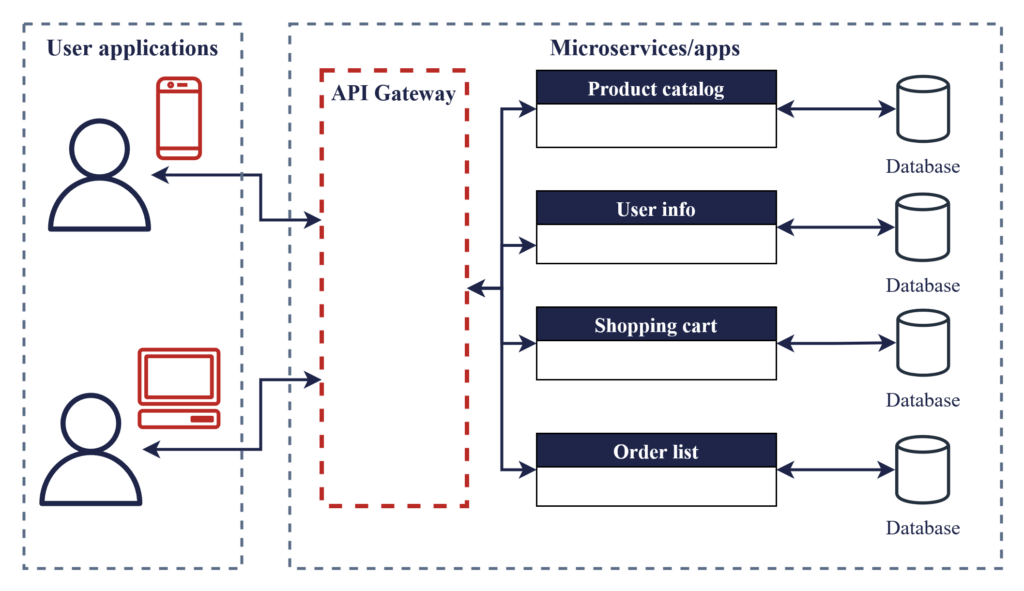
An API gateway serves as a single entry point for managing API traffic between consumers and services. It performs crucial functions such as request routing, composition, and protocol translation. With the exponential growth of microservices architecture, the role of an API gateway has become paramount. It enhances the security, scalability, and manageability of APIs, but it also generates valuable data that can be harnessed through analytics.
What is API Gateway Analytics?
API gateway analytics refers to the process of collecting, monitoring, and analyzing the data generated by an API gateway. This data includes metrics related to usage patterns, error rates, response times, and more. By leveraging these insights, organizations can make informed decisions to improve their cloud applications.
Key Benefits of API Gateway Analytics
1. Performance Monitoring
One of the most significant advantages of API gateway analytics is performance monitoring. By tracking key metrics such as response time and throughput, organizations can identify bottlenecks in their system and optimize performance. This ensures that applications are running efficiently, thus enhancing the user experience.
2. Understanding User Behavior
Analytics provide insights into how users interact with APIs. Organizations can analyze which endpoints are most frequently accessed, the geographic location of users, and usage trends over time. Understanding user behavior helps businesses make strategic decisions regarding feature enhancements and resource allocation.
3. Security Enhancement
API gateways play a crucial role in securing cloud applications. By monitoring traffic patterns and identifying unusual behaviors, organizations can pre-emptively defend against potential threats such as DDoS attacks or unauthorized access. The ability to analyze security logs in real-time is invaluable for maintaining robust security postures.
4. Improving API Reliability
Through continuous monitoring, organizations can identify recurring issues or error rates associated with specific APIs. By utilizing this data, development teams can prioritize fixes, leading to enhanced reliability and uptime for their services. A reliable API fosters user trust and encourages adoption.
5. Cost Management
API gateway analytics can also aid in optimizing infrastructure costs. By understanding which APIs are used the most and which consume the most resources, organizations can make intelligent decisions about scaling their cloud resources, thereby reducing unnecessary operational costs. Optimizing the cost-efficiency of API calls can significantly impact overall business profitability.
How to Implement API Gateway Analytics
Implementing API gateway analytics effectively requires a structured approach:
1. Define Key Performance Indicators (KPIs)
Before diving into data collection, it’s essential to define the relevant KPIs. This might include metrics such as:
- Response time
- Error rates
- Throughput
- Latency
- User engagement
2. Utilize the Right Tools
Selecting the right tools is necessary for robust analytics. Numerous services offer comprehensive analytics for API gateways, such as:
- Google Cloud Endpoints
- AWS API Gateway
- Azure API Management
- Kong
- Tyk
3. Data Visualization
Data visualization tools can help in presenting the analyzed data in an understandable format. Using dashboards enables stakeholders to quickly ascertain performance metrics and understand user engagement. Popular tools for visualization include:
- Tableau
- Grafana
- Power BI
4. Regular Review and Optimization
Analytics should not be a one-time activity. Regular review of metrics encourages a culture of continuous improvement. Utilizing the data to re-evaluate strategies, scales adjustments, and promotes a proactive response to user needs.
Common Challenges in API Gateway Analytics
1. Data Overload
With the enormous volume of data generated through API gateways, organizations often face data overload. Sifting through vast amounts of information can be challenging. Implementing robust data filtering and aggregation techniques is essential to focus on the most critical insights.
2. Real-Time Data Processing
For truly actionable insights, real-time data processing is crucial. Organizations should consider investing in technologies that support event-driven architectures to handle real-time data streams efficiently.
3. Ensuring Data Accuracy
Accurate data is foundational for reliable analytics. Inaccuracies can arise from misconfigurations, bad data entry, or integration issues. Regular audits and validation processes should be implemented to maintain data integrity.
Future Trends in API Gateway Analytics
As technology evolves, so do the trends surrounding API gateway analytics:
1. Machine Learning Integration
The incorporation of machine learning into analytics processes offers predictive capabilities. By analyzing historical data, machine learning algorithms can identify patterns and predict future usage trends, improving decision-making.
2. Enhanced Security Analytics
With cybersecurity being a top priority, future API analytics tools are likely to focus more on security insights. Advanced threat detection techniques integrated with API analytics can provide unprecedented security monitoring capabilities.
3. User-Centric Analytics
As businesses increasingly adopt a user-centric approach, API gateway analytics is likely to evolve. Insights will not only focus on technical performance but also on user satisfaction and engagement, influencing future API designs.
Conclusion
The landscape of cloud applications is continuously changing, and the role of API gateway analytics is more critical than ever. By effectively utilizing analytics, organizations can ensure optimal performance, security, and user satisfaction in their API offerings. As businesses strive for digital transformation, harnessing the power of data through API gateway analytics will be essential in maintaining a competitive edge.
API Gateway Analytics play a crucial role in enhancing the performance, security, and scalability of cloud applications by providing real-time insights into API usage, performance metrics, and potential issues. By leveraging this valuable data, organizations can optimize their APIs, improve user experiences, and drive business growth in the competitive landscape of APIs and web services.
Related posts:
 What Are APIs and How Do They Work?
 How to Secure Your API with JWT
 Building a Microservices Architecture with APIs
What Are API Keys and How to Use Them Securely?
Building a Microservices Architecture with APIs
What Are API Keys and How to Use Them Securely?
 A Beginner’s Guide to API Monetization
 Using Google Maps API for Location-Based Applications
 How to Handle API Authentication in Mobile Apps
The Importance of API Caching and How to Implement It
How to Handle API Authentication in Mobile Apps
The Importance of API Caching and How to Implement It
 Building a Weather App Using OpenWeather API
 How to Use AI-Powered APIs for Your Applications
 API Gateway vs Load Balancer: Understanding the Differences
How to Set Up API Rate Limiting in Nginx
API Gateway vs Load Balancer: Understanding the Differences
How to Set Up API Rate Limiting in Nginx
 How to Optimize API Response Time for Better Performance
Best API Security Practices to Prevent Attacks
How to Optimize API Response Time for Better Performance
Best API Security Practices to Prevent Attacks