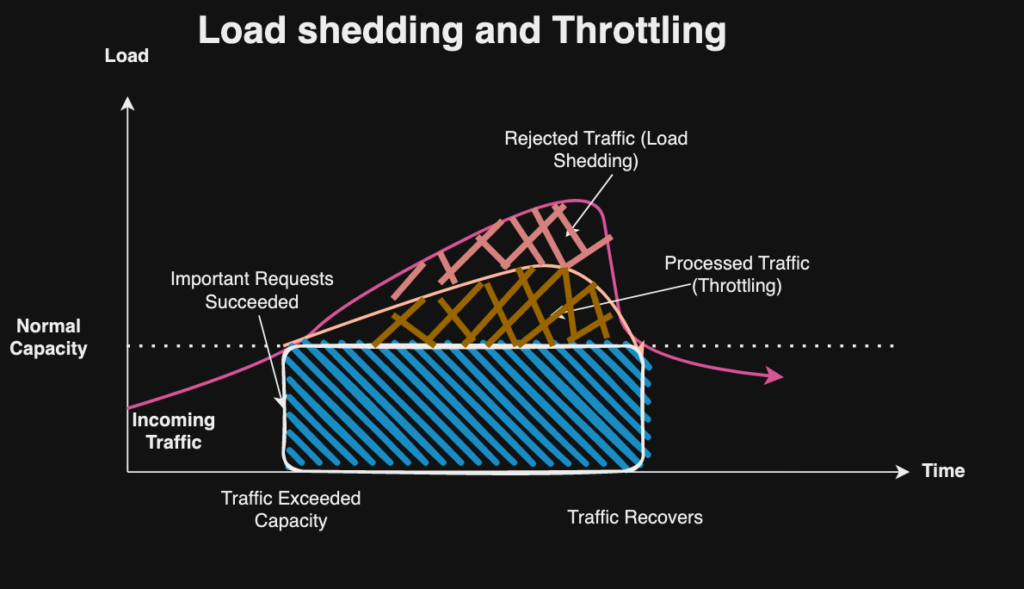
API load shedding is a technique used to manage high traffic on APIs and web services by prioritizing and selectively dropping incoming requests during peak load times. By implementing load shedding, you can ensure the reliability and availability of your services by preventing overload and potential service disruptions.
This technique involves defining rules to determine which requests should be processed and which ones should be rejected based on factors such as service importance, user privileges, or resource availability. By intelligently discarding non-critical requests, you can protect your system from being overwhelmed and maintain a high quality of service for priority users.
In this guide, we will explore strategies for implementing API load shedding effectively to optimize performance, enhance scalability, and protect your services from high traffic spikes.
In today’s digital landscape, APIs (Application Programming Interfaces) and web services are critical for enabling communication between various software systems. However, spikes in traffic can lead to performance issues, application downtime, or even service outages. One effective strategy to mitigate these challenges is through API Load Shedding. This article explores best practices for implementing load shedding to ensure your APIs remain responsive under high traffic conditions.
Understanding API Load Shedding
API Load Shedding refers to the process of intentionally rejecting some API requests to maintain the overall health and performance of a service. Instead of overwhelming your server infrastructure during peak usage times, load shedding allows for graceful degradation of service, ensuring that the most critical requests are processed while non-essential requests are deferred.
Key Concepts of Throughput and Latency
Before diving into the implementation of load shedding, it’s essential to understand two key concepts: throughput and latency. Throughput refers to the number of requests your API can handle in a given timeframe, while latency denotes the time it takes to process a request.
High traffic often leads to increased latency as servers struggle to keep up with demand. By effectively managing throughput through load shedding, you can ensure lower latency and a better user experience.
When to Implement API Load Shedding
Implementing load shedding is crucial during:
- Traffic Spikes: Major events, promotional campaigns, or sudden interest can cause traffic surges.
- System Failures: Hardware or software issues can create bottlenecks that overload your API.
- Scalability Limits: Reaching the limits of your infrastructure may necessitate temporary restrictions on incoming requests.
How to Implement API Load Shedding
1. Define Load Shedding Criteria
Start by establishing the criteria that will trigger load shedding. This could be:
- Rate Limits: Specify a maximum number of requests per user or token within a certain timeframe.
- Response Time Thresholds: Set upper limits for how long requests can take before shedding occurs.
- System Metrics: Monitor CPU usage, memory load, and other metrics to determine when to initiate load shedding.
2. Implement Rate Limiting
Rate limiting is one of the simplest methods to implement load shedding. By restricting the number of requests an individual user can make to your API, you can prevent abuse and ensure that your system is not overloaded. Common strategies include:
- Token Bucket Algorithm: Allows a user to maintain a certain number of tokens that represent their quota of requests.
- Leaky Bucket Algorithm: Provides a smooth flow of requests, where excess requests overflow and are implicitly rejected.
3. Introduce Circuit Breakers
Circuit breakers are an essential pattern in distributed systems that prevent repeated requests from causing persistent failures. When a certain threshold of failures is hit, the circuit breaker opens, temporarily rejecting incoming requests until the system stabilizes.
To implement circuit breakers:
- Monitor success and failure rates for API calls.
- Set a threshold that, when crossed, triggers the breaker.
- Define a time interval for automatic resets to re-enable the circuit and evaluate system health.
4. Implement Prioritization of Requests
Not all API requests are equal; some are more critical to your application’s functionality. Implementing a request prioritization system can help in deciding which requests should be processed first during high traffic.
Your prioritization strategy may include:
- Business Logic-Based Priority: Essential operations like payments or user authentication are given precedence.
- Queueing Requests: Low-priority requests can be queued for later processing, reducing immediate load.
5. Use Back-Off Strategies
When the traffic is at a peak, recommend clients implement exponential back-off strategies. This approach makes clients wait for an increasing period of time before retrying a failed request. This can dramatically reduce the load on your APIs and give your system the space it needs to recover.
6. Implement Load Balancing
A robust load balancing strategy can also help distribute API requests evenly across server instances. This minimizes the risk of any single node becoming a bottleneck. Techniques to consider include:
- Round Robin: Distributes requests sequentially across the server instances.
- Least Connections: Direct requests to the server with the least active connections.
Monitoring and Analytics
Regularly monitoring your API performance is crucial to fine-tune your load shedding strategy. Integrate analytics tools that help you track:
- Response times
- Error rates
- User behavior patterns
1. Set Up Alerts
Use alerting mechanisms to notify your team of potential issues before they escalate into full-blown outages. Critical metrics to monitor include:
- Server load
- Response time spikes
- Rate limit breaches
2. Analyze Historical Data
Look at historical traffic patterns to predict when your API is most at risk of high load situations. This data can help you adjust your load shedding parameters proactively.
Documenting Your API Load Shedding Strategy
Clear documentation of your load shedding strategy is essential for onboarding new team members and ensuring consistency in your approach. Include details such as:
- Criteria for load shedding
- How to implement rate limits
- Configuration for circuit breakers
- How to monitor system performance
Case Studies of Successful Load Shedding
Many organizations have successfully implemented API load shedding strategies to handle high traffic scenarios. Notable examples include:
- Netflix: Netflix employs circuit breakers and load balancing to maintain availability across their extensive catalog of media.
- Twitter: After experiencing significant outages during high traffic events, Twitter now uses rate limiting and request queuing to stabilize their API services.
Conclusion
Implementing API load shedding is essential for maintaining performance and user satisfaction in high traffic situations. By employing strategies such as rate limiting, circuit breakers, prioritization of requests, and load balancing, organizations can ensure their APIs remain available and responsive, even under extreme conditions. Regular monitoring and documentation further enhance the effectiveness of this approach, making it indispensable for any robust API ecosystem.
Implementing API load shedding is a crucial strategy to effectively manage high traffic scenarios in APIs & Web Services. By intelligently throttling or dropping requests during periods of excessive load, organizations can ensure system stability, prevent overload, and prioritize critical functions, ultimately enhancing performance and user experience. It is essential for businesses to carefully design and implement load shedding mechanisms tailored to their specific use cases and traffic patterns to optimize resource utilization and maintain service reliability.
Related posts:
 What Are APIs and How Do They Work?
 How to Secure Your API with JWT
 Building a Microservices Architecture with APIs
What Are API Keys and How to Use Them Securely?
Building a Microservices Architecture with APIs
What Are API Keys and How to Use Them Securely?
 A Beginner’s Guide to API Monetization
 Using Google Maps API for Location-Based Applications
 How to Handle API Authentication in Mobile Apps
The Importance of API Caching and How to Implement It
How to Handle API Authentication in Mobile Apps
The Importance of API Caching and How to Implement It
 Building a Weather App Using OpenWeather API
 How to Use AI-Powered APIs for Your Applications
 API Gateway vs Load Balancer: Understanding the Differences
How to Set Up API Rate Limiting in Nginx
API Gateway vs Load Balancer: Understanding the Differences
How to Set Up API Rate Limiting in Nginx
 How to Optimize API Response Time for Better Performance
Best API Security Practices to Prevent Attacks
How to Optimize API Response Time for Better Performance
Best API Security Practices to Prevent Attacks