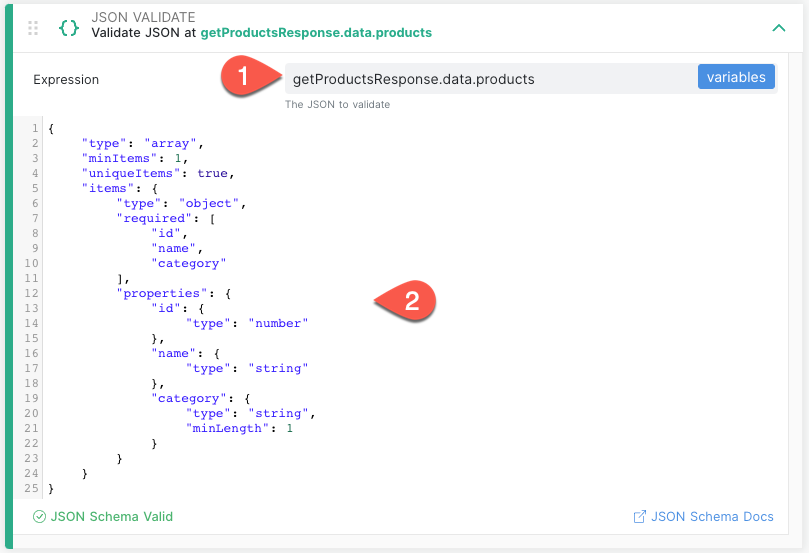
In the realm of APIs and web services, ensuring the accuracy and consistency of data exchanged is crucial for smooth communication between systems. API response schema validation plays a pivotal role in maintaining this integrity by defining the structure, data types, and constraints of the data that APIs send back. By validating the response schema, developers can catch inconsistencies, errors, or unexpected results early on in the integration process, preventing issues downstream. This validation process not only enhances data quality but also improves the overall reliability and performance of the API, ultimately leading to better user experience and increased trust in the system.
In the realm of APIs and web services, ensuring that the data returned by an API conforms to a defined structure is critical. This process is known as API response schema validation, and it holds significant importance in various aspects of software development and maintenance.
What is API Response Schema Validation?
API response schema validation is the practice of validating the structure and format of data returned by an API against a predefined schema. A schema is essentially a blueprint that dictates what the API response should look like, including the required fields, data types, and even nested structures.
Common schema formats include JSON Schema, XML Schema (XSD), and OpenAPI Specifications. These schemas define how an API should respond to requests, helping to enforce consistency and integrity in the data exchanged between clients and servers.
Reasons for API Response Schema Validation
1. Ensures Data Integrity
One of the foremost reasons for implementing API response schema validation is to ensure data integrity. When clients receive data, they expect it to be well-structured and consistent. Validating the response against its schema helps catch inconsistencies or errors early, preventing unexpected behaviors in client applications.
2. Facilitates Better Client-Side Error Handling
Another benefit of schema validation is that it allows for more graceful error handling on the client side. When clients can confidently expect a certain schema, they can implement robust error-handling mechanisms that anticipate different types of data or structure-related errors.
3. Promotes Clear Communication Between Teams
In collaborative projects, especially in sizable development teams, clear communication is vital. A well-defined schema acts as a contract between the frontend and backend, clarifying what data is expected. This promotes better collaboration and reduces miscommunication, allowing teams to work more efficiently.
4. Enhances API Documentation
Having a detailed schema not only aids in validation but also enhances API documentation. When an API is well-documented with schemas, developers using the API can easily understand data expectations. Tools like Swagger can generate interactive API documentation directly from the schemas, making the integration process smoother and faster.
5. Supports Future Changes and Scalability
APIs often evolve over time, requiring changes in response structures. By employing schema validation, developers can enforce versioning of API responses, ensuring that older clients continue to receive the expected structures while new clients benefit from the latest features. This practice supports better scalability and maintainability.
Common Tools and Libraries for Schema Validation
There are various tools and libraries available that can facilitate API response schema validation:
1. JSON Schema Validator
For APIs using JSON, the JSON Schema Validator is a popular choice. It allows validation of JSON data against a specified JSON schema, ensuring that required fields are present and correctly formatted.
2. OpenAPI and Swagger
OpenAPI is a specification for building APIs, and its tools like Swagger allow automatic validation of API responses against defined schemas. It also assists in documenting APIs effectively, ensuring consistency throughout the API lifecycle.
3. XML Schema Definition (XSD)
For APIs that utilize XML, the XML Schema Definition (XSD) can be used. It provides a means to define the structure of XML data, ensuring that any XML response resonates with the predefined schema.
Challenges in API Response Schema Validation
1. Complexity of Schemas
As APIs evolve, maintaining schema complexity can become a challenge. APIs with multiple nested structures or optional fields can make schema validation tedious. Ensuring that the validation process remains efficient without sacrificing thoroughness becomes a balancing act for developers.
2. Performance Overheads
Implementing schema validation can introduce performance overhead, particularly for APIs that handle a high volume of requests. Optimizing validation logic is essential to ensure that response times remain acceptable for end-users.
3. Inconsistent Usage Across Teams
In larger organizations, different teams may use various methods of validation, leading to inconsistency in APIs. Establishing guidelines and standard practices for API response schema validation across teams can help mitigate this issue. Regular training and documentation updates can also support consistent application of validation practices.
Best Practices for API Response Schema Validation
1. Define Clear and Comprehensive Schemas
Developers should invest time in designing clear, concise, and comprehensive schemas from the outset. A well-structured schema will ease the validation process and facilitate better understanding among teams.
2. Automate Validation Processes
Where possible, automate the schema validation process to minimize manual errors and save developer time. Integrate validation checks into CI/CD pipelines to ensure that only validated responses are deployed.
3. Regularly Update Schemas
As APIs change, it’s crucial to keep schemas updated. Regularly review and revise schemas as necessary to ensure that they reflect the current state of the API accurately.
4. Utilize Versioning
Implementing versioning for APIs helps manage changes over time. Each version can have its own schema, allowing for backward compatibility for previous clients while encouraging the use of new structures in newer versions.
5. Leverage Community Standards
Where possible, leverage community standards and widely adopted formats for schemas. This not only facilitates adoption among developers but also aids in integration with third-party tools and platforms.
API response schema validation is an indispensable aspect of modern API development and management. It ensures data integrity, aids client-sideError handling, fosters clear communication, and enhances documentation. As APIs continue to proliferate and evolve, adopting effective schema validation practices will be critical for maintaining reliable, efficient, and scalable web services.
API response schema validation plays a crucial role in ensuring data integrity, consistency, and reliability within APIs and web services. By defining and enforcing a clear schema for responses, developers can prevent errors, improve interoperability, and enhance overall API usability. Proper schema validation ultimately contributes to a more seamless and efficient integration experience for developers and users alike.
Related posts:
 What Are APIs and How Do They Work?
 How to Secure Your API with JWT
 Building a Microservices Architecture with APIs
What Are API Keys and How to Use Them Securely?
Building a Microservices Architecture with APIs
What Are API Keys and How to Use Them Securely?
 A Beginner’s Guide to API Monetization
 Using Google Maps API for Location-Based Applications
 How to Handle API Authentication in Mobile Apps
The Importance of API Caching and How to Implement It
How to Handle API Authentication in Mobile Apps
The Importance of API Caching and How to Implement It
 Building a Weather App Using OpenWeather API
 How to Use AI-Powered APIs for Your Applications
 API Gateway vs Load Balancer: Understanding the Differences
How to Set Up API Rate Limiting in Nginx
API Gateway vs Load Balancer: Understanding the Differences
How to Set Up API Rate Limiting in Nginx
 How to Optimize API Response Time for Better Performance
Best API Security Practices to Prevent Attacks
How to Optimize API Response Time for Better Performance
Best API Security Practices to Prevent Attacks