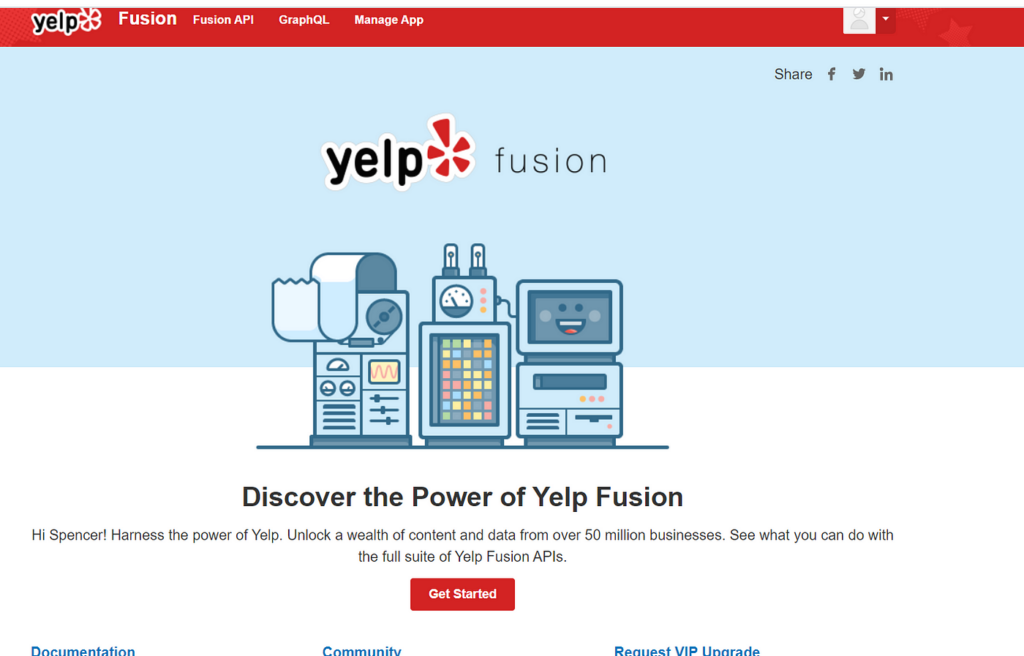
Utilizing the Yelp API for accessing business reviews and data is a powerful tool for developers and businesses looking to integrate valuable information into their applications. The Yelp API provides access to a wealth of business data including reviews, ratings, photos, and other essential details. By leveraging this API, developers can create innovative solutions, enhance user experiences, and uncover valuable insights. In this introduction, we will explore the key features of the Yelp API, the process of obtaining API access, and how to effectively use the API to retrieve business reviews and data seamlessly within your applications. Let’s delve into the world of APIs & Web Services with Yelp as our guide.
Understanding the Yelp API
The Yelp API provides developers with a powerful tool to access a wealth of data regarding businesses, reviews, and user-generated content. This API allows you to integrate valuable merchant information directly into your applications. For businesses looking to leverage their presence on Yelp, using the API can enhance customer engagement and improve their online reputation.
Getting Started with the Yelp API
Before utilizing the Yelp API, you must register your application to gain an API key. Follow these steps:
- Visit the Yelp Developers Site.
- Create an account or log in.
- Click on the option to create a new app.
- Fill in the required information about your application.
- Once registered, you will receive an API key, which will be used for authentication.
API Endpoints Overview
The Yelp API provides various endpoints that offer different data types. Here are some of the crucial endpoints:
- /businesses/search: This endpoint fetches business data based on location, term, categories, and more.
- /businesses/{id}: Retrieves detailed information about a specific business.
- /businesses/{id}/reviews: Accesses reviews for a certain business, allowing you to gain insights into customer feedback.
Making Your First API Call
Once you have your API key, making a call to the Yelp API is straightforward. Here is a generic example to get you started:
GET https://api.yelp.com/v3/businesses/search?location=San+Francisco
Authorization: Bearer
In this request, replace <Your_API_Key> with the API key you received upon registration. You can further customize the request by adding parameters such as term and categories.
Fetching Business Reviews
To gain insights into customer experiences, you can fetch business reviews using the /businesses/{id}/reviews endpoint. Here’s an example:
GET https://api.yelp.com/v3/businesses/{id}/reviews
Authorization: Bearer
In this endpoint, replace {id} with the specific business ID you obtained from the search results. This API call will return an array of reviews associated with that business.
Handling Response Data
The response from the Yelp API will be in JSON format, containing detailed information. Here’s what you typically receive:
- reviews: An array of reviews, each including details like rating, text, and the reviewer’s profile.
- total: The total number of reviews available for that business.
Example of a review structure:
{
  "reviews": [
    {
      "id": "x89K-1TDV9GJPkL9-YFFig",
      "text": "Great service and excellent food!",
      "rating": 5,
      "user": {
        "id": "user-id",
        "profile_url": "https://www.yelp.com/user_details?userid=user-id"
      }
    }
  ],
  "total": 12
}
Integrating Yelp Reviews into Your Application
Once you fetch business reviews, integrating them into your app can enhance the user experience. Here are a few ways to display Yelp reviews:
- Embed a review widget on your website.
- Curate reviews to create a testimonial slider to build trust.
- Use reviews to gain insights for improving business strategies.
Benefits of Using the Yelp API
Using the Yelp API can provide numerous benefits for businesses and developers alike:
- Enhanced User Engagement: By showcasing reviews and ratings, businesses can engage potential customers more effectively.
- Data-Driven Insights: Analyze review data to understand customer behavior and preferences.
- Increased Visibility: Integrating Yelp data into your application helps in appearing more credible and trustworthy, improving brand image.
Best Practices for Using the Yelp API
To get the most out of the Yelp API, consider the following best practices:
- Respect Rate Limits: Yelp imposes limits on the number of API calls per hour. Plan your requests accordingly to avoid interruptions.
- Use Default Parameters Wisely: Familiarize yourself with default parameters for filtering and sorting results to optimize data retrieval.
- Update Your Data Regularly: Since Yelp data changes frequently, ensure that you regularly update the information displayed in your application.
Common Use Cases for the Yelp API
The Yelp API has various use cases in the business landscape:
- Local Business Discovery: Applications that help users find local restaurants, bars, and other businesses can use the API to enhance their offerings.
- Review Aggregation: Creating tools that aggregate reviews from various platforms, including Yelp, can provide customers with comprehensive insights.
- Sentiment Analysis: Use review data to analyze customer sentiment and tailor marketing strategies accordingly.
Ensuring Compliance with Yelp’s Guidelines
While leveraging the Yelp API, it is vital to adhere to Yelp’s guidelines to maintain an ethical relationship. Avoid:
- Scraping data beyond what the API allows.
- Using the data for purposes outside the allowed scope.
- Misrepresenting the information obtained from Yelp.
Conclusion
Integrating the Yelp API into your business strategy can drive better engagement through customer insights and authentic reviews. By leveraging this essential tool, you can not only enhance your service offerings but also build a relationship of trust with your consumers.
Further Resources
For more information on implementing the Yelp API, check out the following resources:
Leveraging the Yelp API for business reviews and data can provide valuable insights and enhanced functionality for applications and services. By following the API documentation and guidelines, developers can seamlessly integrate Yelp’s vast repository of business information into their platform, offering users a richer experience. The extensibility and versatility of the Yelp API make it a powerful tool for businesses looking to enhance their digital presence and reach a wider audience through data-driven strategies.
Related posts:
 What Are APIs and How Do They Work?
 How to Secure Your API with JWT
 Building a Microservices Architecture with APIs
What Are API Keys and How to Use Them Securely?
Building a Microservices Architecture with APIs
What Are API Keys and How to Use Them Securely?
 A Beginner’s Guide to API Monetization
 Using Google Maps API for Location-Based Applications
 How to Handle API Authentication in Mobile Apps
The Importance of API Caching and How to Implement It
How to Handle API Authentication in Mobile Apps
The Importance of API Caching and How to Implement It
 Building a Weather App Using OpenWeather API
 How to Use AI-Powered APIs for Your Applications
 API Gateway vs Load Balancer: Understanding the Differences
How to Set Up API Rate Limiting in Nginx
API Gateway vs Load Balancer: Understanding the Differences
How to Set Up API Rate Limiting in Nginx
 How to Optimize API Response Time for Better Performance
Best API Security Practices to Prevent Attacks
How to Optimize API Response Time for Better Performance
Best API Security Practices to Prevent Attacks