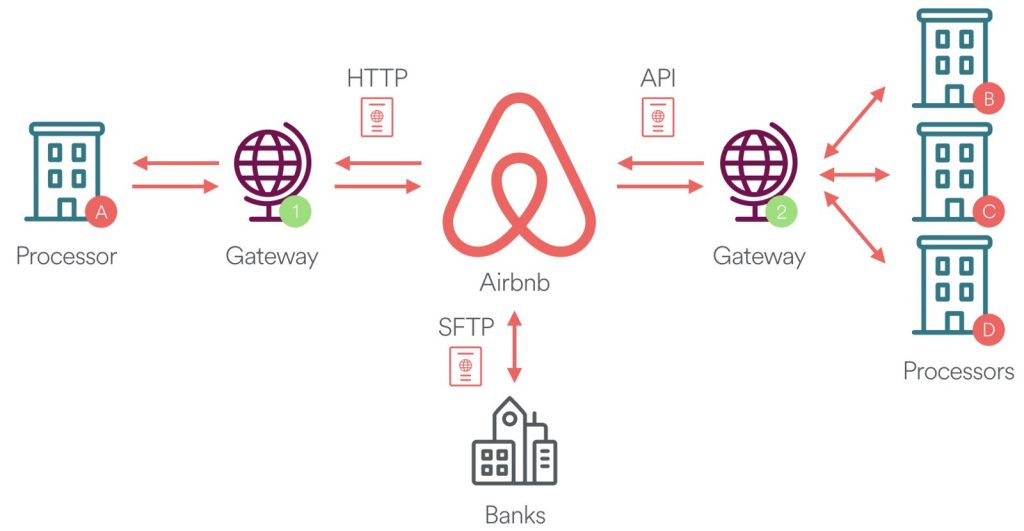
Utilizing the Airbnb API for vacation rental automation can streamline and enhance the management of properties on the platform through the use of APIs and web services. By leveraging the Airbnb API, users can automate tasks such as listing properties, updating availability calendars, managing reservations, and handling communication with guests. This enables property owners and managers to efficiently scale their vacation rental businesses while providing a seamless booking experience for guests. In this guide, we will explore how to leverage APIs and web services to integrate with the Airbnb platform, automate key processes, and optimize the vacation rental management workflow.
Understanding the Airbnb API
The Airbnb API is a powerful tool that allows developers and vacation rental owners to automate various aspects of their rental business. This API provides access to a wide range of features, including listing management, booking capabilities, and user data integration. By leveraging the Airbnb API, property managers and hosts can streamline their operations, enhance guest experiences, and ultimately increase profitability.
Getting Started with the Airbnb API
To begin using the Airbnb API, you need to follow several key steps:
- Register for an Airbnb Account: If you haven’t already, create an account on Airbnb. You will need this account to gain access to the API.
- Apply for API Access: Airbnb offers access to its API through its partner program. You must apply and explain how you will use the API to enhance user experience and functionality.
- Review Documentation: Once you have access, review the Airbnb API documentation to familiarize yourself with the endpoints, data structures, and best practices.
Important Features of the Airbnb API
The Airbnb API comes with several essential features that can help automate various processes associated with vacation rentals:
1. Listing Management
With the Airbnb API, users can manage their property listings dynamically. This includes:
- Creating and Updating Listings: Easily create new listings and update existing ones to reflect accurate availability, pricing, and descriptions.
- Managing Availability: Control the availability of your property through automated updating based on bookings or maintenance schedules.
- Viewing Listing Performance: Retrieve data about how your listings are performing in terms of views, inquiries, and bookings.
2. Booking Management
The ability to manage bookings is crucial for vacation rental automation. The Airbnb API supports:
- Handling Bookings: Programmatically manage bookings, including confirmations, cancellations, and modifications.
- Real-time Availability Checks: Integrate a real-time availability feature that can display accurate booking options to potential guests.
3. User Management
Understanding your guests is key to improving their experience. The API provides functionalities like:
- Accessing User Profiles: Retrieve guest information to personalize communications and services.
- Managing Reviews: Automatically collect and respond to guest reviews to maintain a good reputation.
Implementing Automation using the Airbnb API
Once you are familiar with the features, you can begin automating your vacation rental operations. Here are practical ways to implement automation:
1. Synchronizing Calendars
Utilizing the Airbnb API allows for seamless synchronization with other booking platforms. This ensures:
- Availability across different platforms is consistent, which minimizes the risk of double bookings.
- Updates to reservations on one platform are automatically reflected on all connected calendars.
To implement calendar synchronization:
1. Use the API's calendar endpoints to pull updated booking information.
2. Update your calendars on other platforms using the API data.
2. Automating Guest Communications
Effective communication with guests is vital for good service. The Airbnb API can automate messages, including:
- Booking Confirmations: Automatically send confirmation messages to guests after a booking is created.
- Pre-check-in Instructions: Schedule messages that provide essential information before guests arrive.
- Post-stay Thank You Notes: Send automated thank-you messages, encouraging guests to leave reviews.
3. Reporting and Analytics
Using the data available through the Airbnb API, property managers can create comprehensive reports for better decision-making.
- Occupancy Rates: Analyze data to determine your property’s performance over time.
- Revenue Analysis: Report on revenue streams, identifying high and low-performing seasons.
To implement reporting:
1. Use data endpoints to extract relevant analytics.
2. Build dashboards or reports with data visualization tools.
Best Practices for Using the Airbnb API
To maximize the benefits of the Airbnb API, consider these best practices:
- Stay Informed: Regularly check the Airbnb Developer Portal for updates and changes to API functionalities.
- Test Extensively: Before deploying any application that interacts with the API, conduct thorough testing to ensure performance and security.
- Optimize for Performance: Use efficient coding practices and minimize API calls where possible to enhance application responsiveness.
Common Challenges and Solutions
Using the Airbnb API may present some challenges:
1. Rate Limiting
API rate limits can hinder your application’s performance. To address this:
- Implement caching mechanisms to reduce the frequency of API calls.
- Optimize the way you fetch data by only requesting necessary fields.
2. Data Consistency
Maintaining data consistency across multiple platforms can be tricky. To solve this:
- Set up webhook notifications to receive real-time updates directly from Airbnb.
- Use scheduled tasks to refresh your data periodically.
3. Navigating API Changes
API alterations can affect application functionality. To mitigate this risk:
- Monitor the developer portal for announcements regarding changes.
- Use version control in your application to manage API updates smoothly.
Integrating with Other Services
The Airbnb API can be integrated with various third-party services for enhanced automation:
1. Channel Managers
Integrate with a Channel Manager to synchronize listings across multiple platforms like Vrbo and Booking.com. This ensures that your availability is current across all channels and helps prevent double bookings.
2. Smart Home Devices
Incorporate smart home technology (like smart locks and thermostats) to enhance guest experience and property management efficiency. Ensure these devices can be controlled or monitored through the Airbnb API for seamless management.
3. Accounting Software
Using the API to connect with accounting software can simplify financial management. Automatically sync bookings and their associated revenues to maintain accurate financial records without manual entry.
Conclusion
By utilizing the Airbnb API for vacation rental automation, property owners and managers can significantly improve efficiency, reduce administrative burdens, and enhance guest experiences. With features that cover everything from listing management to guest communications, implementing the API becomes crucial for thriving in today’s competitive vacation rental market.
Leveraging the Airbnb API for vacation rental automation presents a valuable opportunity to streamline operations, enhance customer experiences, and drive efficiency in the rental management process. By integrating the API into your system, you can access key data, automate tasks, and offer personalized services, ultimately increasing your competitive advantage in the vacation rental industry. Harnessing the power of APIs and web services like the Airbnb API enables seamless connectivity and collaboration, paving the way for a more efficient and optimized rental experience for hosts and guests alike.
Related posts:
 How to Build an API That Supports GraphQL Mutations
 What Is an API SDK and How Does It Differ from an API?
 How to Build an API That Supports Real-Time Streaming
 How to Set Up a Reverse Proxy for API Security
How to Implement API Request Logging with Morgan in Express.js
The Best API Response Formats: JSON, XML, Protobuf, and More
What Are API Middleware Functions and How to Use Them?
How to Build a Payment Gateway API with Stripe and Node.js
How to Implement API Rate Limits for Subscription-Based Pricing
How to Set Up a Reverse Proxy for API Security
How to Implement API Request Logging with Morgan in Express.js
The Best API Response Formats: JSON, XML, Protobuf, and More
What Are API Middleware Functions and How to Use Them?
How to Build a Payment Gateway API with Stripe and Node.js
How to Implement API Rate Limits for Subscription-Based Pricing
 How to Build an API with Hapi.js in Node.js
 How to Use AI-Based API Analytics for Performance Monitoring
 How to Optimize API Response Times with Lazy Loading
 How to Create a Blockchain API for Cryptocurrency Transactions
 How to Implement an API Gateway for Serverless Applications