
Using SQL for form data validation is a powerful technique that ensures the accuracy and integrity of data inputted through web forms. By executing SQL…

Implementing Role-Based Access Control (RBAC) in SQL is a common method used to manage permissions within a database system. RBAC allows administrators to assign roles…
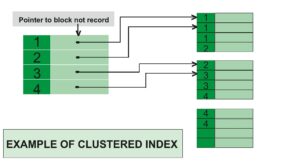
Indexes are essential for optimizing database performance by facilitating quick data retrieval. There are two main types of indexes commonly used in databases: clustered and…
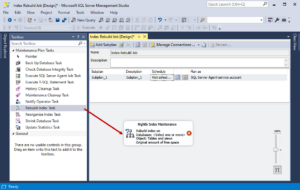
Setting up automated index maintenance in SQL is crucial for ensuring optimal performance and efficient query processing in a database environment. By regularly maintaining indexes,…

Stored procedures in databases accept parameters to customize their behavior and allow for dynamic input. Parameters can be of different types: 1. Input parameters: These…

Sales Pipeline Management involves tracking the various stages of a company’s sales process, from lead generation to deal closure. Using SQL, a powerful database language,…

Automating data clean-up tasks in SQL can greatly improve efficiency and accuracy in managing databases. By automating processes such as removing duplicates, correcting inaccuracies, and…
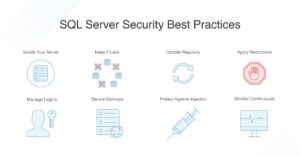
Secure Coding Practices for SQL involves implementing strategies and techniques to prevent security vulnerabilities in database applications. By following best practices such as parameterized queries,…

Building Data Pipelines with SQL involves the process of extracting, transforming, and loading data from various sources into a centralized repository, enabling efficient data processing…
Cloud-Based SQL databases offer small businesses a cost-effective and scalable solution for storing and managing their data. By leveraging cloud technology, small businesses can access…