
Correlated and non-correlated subqueries are two common types of subqueries used in SQL queries. A correlated subquery is a subquery that depends on the outer…
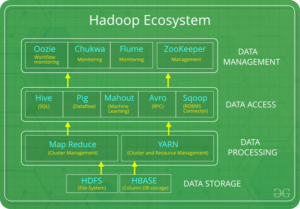
SQL in Hadoop Ecosystems allows users to query and analyze large datasets within a Hadoop environment using SQL-like syntax. This powerful combination leverages the scalability…

Building search functionality with SQL for websites is a crucial aspect of website development. By utilizing SQL queries, website developers can empower users to efficiently…
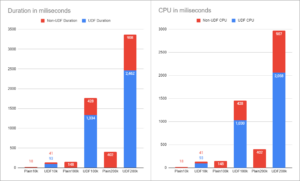
Scalar functions in databases are functions that operate on individual values and return a single result for each input value. While scalar functions can be…

Integrating SQL with React Native for mobile apps allows developers to efficiently manage and store data on the device itself, providing users with a seamless…

Financial Reporting with SQL for Accounting is a powerful tool that allows accounting professionals to efficiently and accurately generate reports from financial data. SQL, or…
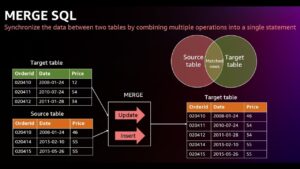
The MERGE statement is a powerful SQL feature used for efficiently synchronizing data between two tables. It allows users to insert, update, or delete records…
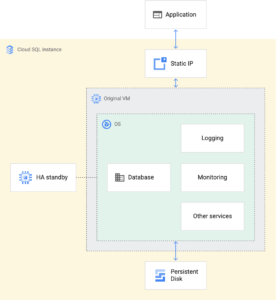
To connect Cloud SQL with Business Intelligence tools, you can follow a straightforward process that involves configuring a connection between the two platforms. By establishing…

Managing large datasets in SQL can be a significant challenge for data analysts and database administrators. As datasets grow in size, it becomes essential to…
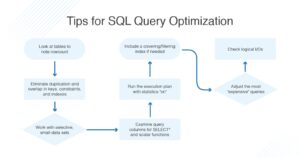
SQL Performance Optimization for Mobile Devices involves strategies and techniques aimed at improving the speed and efficiency of database operations specifically on mobile devices. As…