
“SQL for Mobile Apps: A Beginner’s Guide” provides a comprehensive introduction to using Structured Query Language (SQL) in the development of mobile applications. This book…

SQL, which stands for Structured Query Language, is a powerful programming language commonly used in database management. In the context of collaboration and project planning,…

Database normalization is a process used in database design to organize data in a way that reduces redundancy and dependencies, resulting in a more efficient…

SQL, or Structured Query Language, plays a crucial role in portfolio management and resource planning by enabling users to efficiently retrieve, manipulate, and analyze data…

Using PARTITION BY with Window Functions is a powerful tool in SQL for performing operations within specific groups of data. By partitioning the data, you…
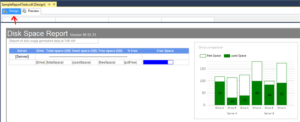
Conditional Formatting in SQL Reports is a powerful feature that allows users to dynamically change the appearance of data based on specified conditions. By setting…
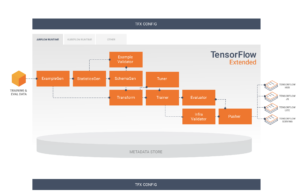
SQL is a powerful query language used for managing and manipulating structured data in databases. In recent years, there has been a growing trend in…

Working with Data Lakes and SQL involves leveraging large volumes of diverse data stored in a centralized repository for analytics and other data-driven activities. Data…
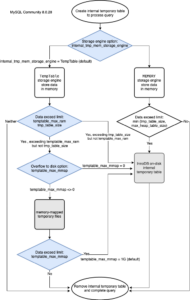
In-memory storage refers to the practice of storing data directly in the computer’s main memory, rather than traditional disk storage. This allows for faster access…
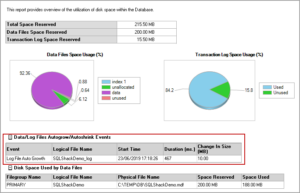
Managing SQL database size and growth is a critical aspect of database administration. Properly handling the size and growth of a SQL database ensures optimal…