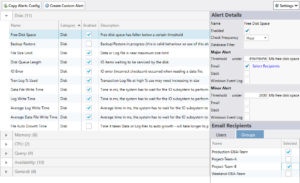
Using SQL for Automated Performance Alerts is an efficient way to monitor and manage the performance of databases and applications. By leveraging SQL queries and…

Writing stored procedures is a key practice in database management that offers numerous benefits and use cases. Stored procedures are a collection of SQL statements…
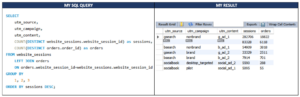
SQL, or Structured Query Language, is a powerful tool used for tracking and analyzing web traffic. By leveraging SQL queries, businesses can extract valuable insights…

Automating data exports from SQL to Excel streamlines the process of transferring information from databases to spreadsheets, saving time and reducing errors. By setting up…

Analyzing Project Risks with SQL involves utilizing the power of structured query language to identify and assess potential risks that may impact the successful completion…

Using Built-In Mathematical Functions in SQL allows you to perform various mathematical operations directly within your SQL queries. These functions provide a convenient way to…
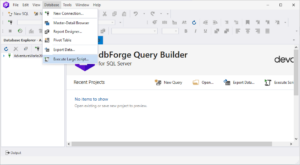
Managing large SQL scripts can be a challenging task for database administrators and developers. In this guide, we will explore useful tips and tools to…

Visualizing Data Distribution with SQL involves using SQL queries to analyze and present data in a graphical format, such as charts or graphs. This visualization…

SQL (Structured Query Language) plays a crucial role in inventory management for retail businesses. It is a specialized programming language used to manage and manipulate…
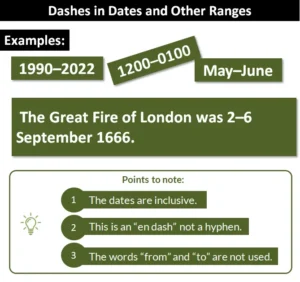
When working with data in R, the BETWEEN operator is a convenient tool for specifying a range of values. It allows you to filter data…