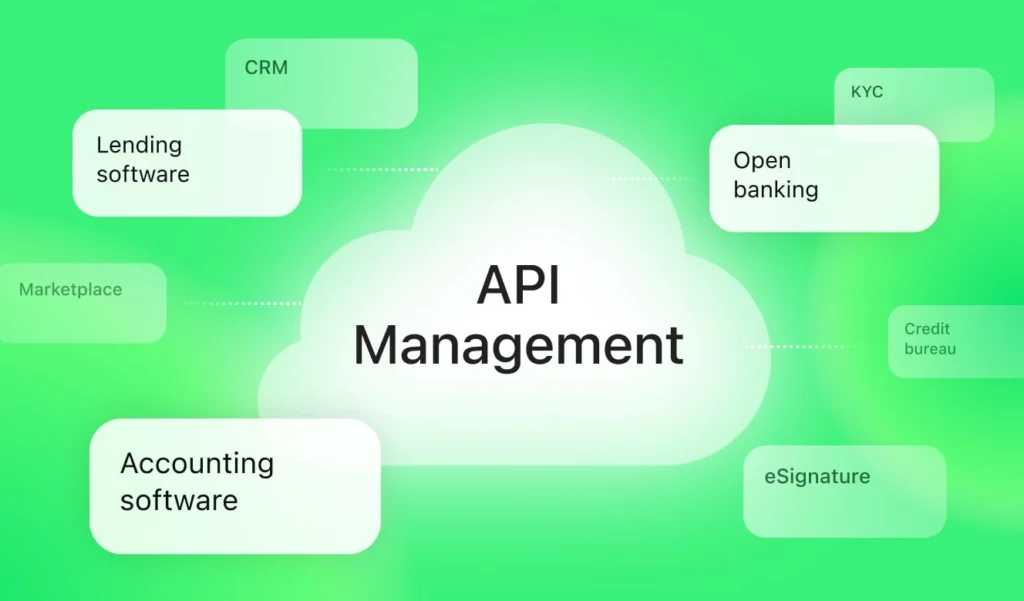
Understanding API Debt is crucial for organizations that heavily rely on APIs and web services to drive their digital initiatives. API Debt occurs when shortcuts are taken during the development and maintenance of APIs, leading to technical inefficiencies, performance issues, and security vulnerabilities over time.
Managing API Debt effectively involves proactively addressing technical debt within the API ecosystem, prioritizing API refactoring and optimization, establishing robust API governance processes, and investing in continuous API testing and monitoring practices. By tackling API Debt early on and implementing sound API management strategies, organizations can minimize risks, ensure long-term API sustainability, and maximize the value derived from their API investments.
What is API Debt?
API debt refers to the technical inefficiencies and accumulated issues within your organization’s API ecosystem. Just as financial debt can impede your financial health, API debt can hinder your development process, reduce productivity, and complicate integration efforts. Essentially, API debt emerges when developers make trade-offs with short-term gains but neglect long-term repercussions. This results in poorly designed APIs, lack of documentation, and inconsistent usage protocols.
Cause of API Debt
Understanding the causes of API debt is essential in identifying the areas where improvements are needed. Below are some common triggers:
- Rapid Development Cycles: The push for faster releases may result in developers overlooking best practices.
- Lack of Documentation: Insufficient API documentation can complicate understanding and misuse.
- Inconsistent Versioning: Failure to manage versioning effectively can create integration challenges across different services.
- Technical Overlaps: Using multiple APIs performing similar functions can lead to redundancies.
- Neglected Refactoring: API endpoints that aren’t regularly maintained can accumulate technical issues over time.
Recognizing API Debt Symptoms
To address API debt, it’s crucial first to recognize the symptoms that indicate its presence. Some signs include:
- Increased Response Times: APIs that have accumulated debt often become sluggish due to additional overheads.
- Frequent Breakage: Endpoints that regularly fail or return error codes depict underlying issues.
- Integration Friction: Difficulty integrating with other services may suggest poorly designed APIs.
- Developer Frustration: If your team frequently complains about APIs, it’s a strong indicator of underlying debt.
- Lack of Scalability: As user demand increases, APIs with debt often struggle to scale effectively.
Assessing API Debt
To effectively manage API debt, a structured assessment is paramount. This can be done through:
- API Audit: Conduct a comprehensive review of your existing APIs, including performance metrics, documentation quality, and user feedback.
- Usage Analysis: Assess how often each API is used and for what purpose. This helps prioritize improvements.
- Stakeholder Interviews: Engaging with both developers and end-users can shed light on areas of pain and inefficiency.
Strategies for Managing API Debt
To effectively manage API debt within your organization, consider implementing the following strategies:
1. Establish Clear API Governance
Creating a robust API governance framework helps set guidelines for API design, execution, and documentation. This will include:
- Standardization of API Design: Utilize RESTful principles or GraphQL standards to ensure consistency.
- Version Control Policies: Establish boundaries for backward compatibility and deprecation policies.
- Documentation Standards: Adopt obligations for comprehensive documentation to assist future users.
2. Implement Continuous Monitoring and Maintenance
Regularly monitoring your APIs is an effective approach to identifying any signs of debt. Implement automated monitoring tools to track API performance, call frequency, and error responses. Additionally, make it a routine to schedule:
- Performance Review Sessions: Regularly discuss performance logs and user feedback.
- Refactoring Initiatives: Plan periodic refactoring sprints to address technical debt in APIs that are frequently used.
3. Prioritize User-Centric API Design
Designing APIs with usably in mind can mitigate debt effectively. Emphasize on user persona research to understand your audience’s needs better. This leads to APIs that meet real-world requirements, thus reducing the potential for debt.
4. Foster Cross-Team Collaboration
API development often involves multiple teams. Encourage collaboration between developers, operations, and product management. Hold regular meetings to discuss API improvements as a team. Use communication tools to share:
- User Feedback: Constantly gather feedback from end-users.
- Change Logs: Keep all team members updated about API changes or issues.
5. Allocate Resources for Training
Investing in team training can bolster your organization’s ability to manage API debt. Provide regular workshops and seminars focused on:
- API Best Practices: Keep your team updated on the latest techniques and tools.
- Documentation Frameworks: Train teams on how to document their work effectively.
Case Studies: Organizations Managing API Debt
Many organizations have successfully managed their API debt through strategic measures. Consider the following examples:
Case Study 1: Company A
Company A faced declining user satisfaction due to frequent API failures. By employing a dedicated API governance strategy and involving user feedback in their design process, they achieved a 40% reduction in error rates.
Case Study 2: Company B
After conducting an API audit, Company B identified several redundant APIs caused by lack of documentation and overlap in functionalities. By consolidating and refining their API offerings, they not only improved performance but also enhanced user engagement by 30%.
Future Trends in API Management
Looking ahead, several trends are shaping the landscape of API management that can potentially influence API debt management:
- Microservices Architecture: The shift towards microservices enables more manageable, independent APIs, thus reducing accumulated debt.
- AI-Driven API Management: Leveraging AI for proactive monitoring and intelligent analytics can preemptively address issues before they evolve into debt.
- Blockchain for API Transactions: Utilizing blockchain technology can enhance API security, thereby minimizing the risk of inconsistencies that lead to debt.
Conclusion: Effectively managing API debt is vital for fostering innovation, enhancing user satisfaction, and ensuring scalability in your organization. By understanding its causes and symptoms, conducting regular assessments, and implementing strategic management practices, organizations can significantly mitigate their API debt and pave the way for sustained growth in the digital ecosystem.
Recognizing and actively managing API debt is crucial for ensuring the long-term effectiveness and sustainability of APIs and web services. By proactively addressing issues such as technical debt, outdated documentation, and inconsistent designs, organizations can minimize risks, enhance scalability, and maintain overall API quality. Developing a comprehensive strategy for managing API debt, including regular maintenance, documentation updates, and collaboration between development teams, will contribute to a healthier API ecosystem and support ongoing business success in the digital landscape.
Related posts:
 How to Implement API Rate Limits for Subscription-Based Pricing
 How to Build an API with Hapi.js in Node.js
 How to Use AI-Based API Analytics for Performance Monitoring
 How to Optimize API Response Times with Lazy Loading
 How to Create a Blockchain API for Cryptocurrency Transactions
 How to Use AWS Cognito for API User Authentication
 How to Integrate the Telegram Bot API for Automated Messaging
 How to Implement an API Gateway for Serverless Applications
 What Is an API Consumer-Driven Contract and How to Use It?
 The Benefits of Using Server-Sent Events (SSE) in APIs
 How to Implement API Data Encryption with AES
 How to Implement API WebSockets with NestJS
 How to Use the Notion API for Task Management Automation
 How to Implement API Request Prioritization with Queues