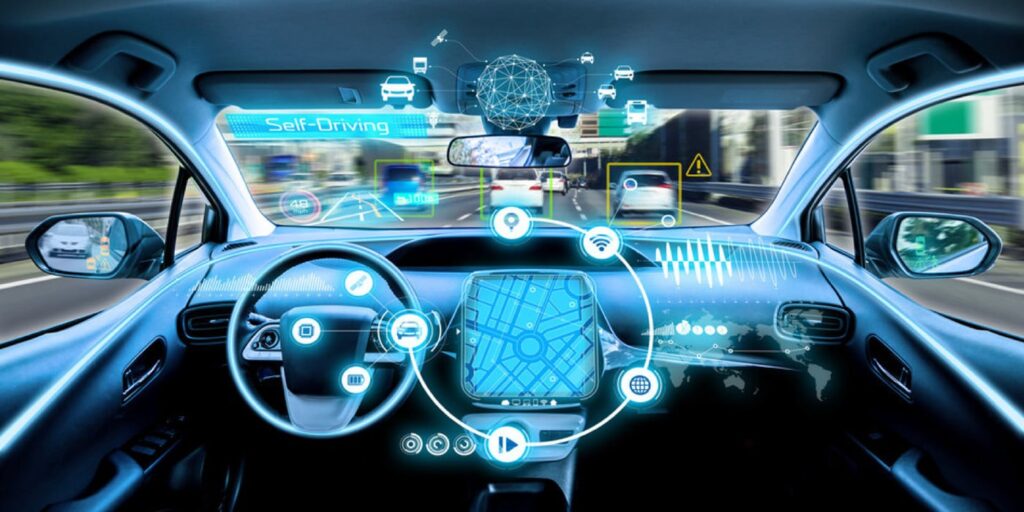
The automotive industry is undergoing a significant transformation with the advent of connected cars, which are equipped with sensors and internet connectivity to gather and exchange data. This influx of data from connected cars has given rise to new opportunities and challenges, shaping the way vehicle manufacturers, service providers, and other stakeholders operate. Big Data plays a crucial role in this landscape, enabling the collection, analysis, and utilization of vast amounts of data to enhance safety, efficiency, and overall driving experience. In this article, we will explore the impact of Big Data on connected cars and its implications for the automotive industry.
The automotive industry has undergone a seismic shift in recent years, primarily due to the rise of Big Data and its application in connected cars. Connected cars are vehicles outfitted with Internet connectivity and advanced sensors, enabling them to collect, send, and analyze vast amounts of data. This data-driven approach enhances not only the driving experience but also vehicle safety, maintenance, and overall efficiency.
The Evolution of Connected Cars
Connected cars are not a new concept; however, the sophistication and capability of these vehicles have dramatically improved. Originally, these vehicles were equipped with simple GPS systems and infotainment features. Today, they can communicate with each other and with infrastructure, utilizing Big Data analytics to yield actionable insights.
The evolution of connected cars can be categorized into several key phases:
- Phase 1: Basic Connectivity – Early models included GPS and basic telematics, allowing for real-time tracking.
- Phase 2: In-Vehicle Connectivity – Introduction of in-car Wi-Fi and vehicle-to-home networks.
- Phase 3: Data Monetization – Car manufacturers began utilizing data analytics for personalized driving experiences and targeted advertising.
- Phase 4: Autonomous Capabilities – Advanced algorithms and machine learning now allow vehicles to navigate without human intervention.
The Role of Big Data in Enhancing Safety
Big Data plays a crucial role in enhancing vehicle safety. With numerous sensors collecting data on everything from road conditions to driver behavior, automotive companies can leverage this information to improve safety measures. Here are several ways Big Data contributes to vehicle safety:
Predictive Maintenance
Through predictive analytics, car manufacturers can forecast potential mechanical failures before they occur. By analyzing data from various sensors, systems, and historical maintenance records, they can pinpoint issues and alert drivers before a breakdown happens, thereby improving safety and reducing maintenance costs.
Accident Prevention Systems
Many modern vehicles come with advanced driver-assistance systems (ADAS), which rely on Big Data to function effectively. These systems use real-time data to detect obstacles, monitor speed, and even control braking. Features such as lane-departure warnings and automatic emergency braking utilize immense datasets to improve effectiveness.
The Impact of Big Data on Vehicle Performance
Big Data not only enhances safety but also significantly improves vehicle performance. By capturing and analyzing the driving behaviors and operational data from connected vehicles, manufacturers can optimize various aspects of vehicle operation:
Fuel Efficiency
Analyzing driving patterns helps engineers refine vehicle designs for enhanced fuel efficiency. By monitoring how drivers interact with their vehicles, data scientists can identify the most efficient driving behaviors and incorporate them into vehicle design and manufacturing.
Customizing the Driving Experience
Manufacturers can use data collected from connected cars to understand consumer preferences. Armed with this information, they can create personalized experiences through tailored infotainment options, adaptive controls, and modular features that reflect individual driving habits.
Big Data and Connected Car Ecosystem
The ecosystem around connected cars is vast and intricate, comprising multiple stakeholders whose roles are interlinked through Big Data analytics:
OEMs (Original Equipment Manufacturers)
Automakers (OEMs) collect massive datasets from their vehicles, which help inform design decisions, predict future trends, and develop new features. The integration of Big Data solutions enables OEMs to analyze information both internally and externally, helping them maintain a competitive edge.
Insurance Companies
Data from connected cars is also transforming the insurance landscape. Companies can leverage data analytics to assess risk more accurately, enabling them to offer personalized insurance plans based on actual driving behavior and historical data. This shift toward usage-based insurance allows for fairer premiums aligned with individual risk profiles.
Fleet Operators
For fleet operators, Big Data is indispensable for optimizing routes, improving vehicle maintenance schedules, and managing fuel efficiency. By using predictive analytics, fleet managers can reduce operational costs and enhance productivity, ultimately leading to greater profitability.
The Challenges of Big Data in Connected Cars
While the benefits of Big Data in connected cars are significant, there are inherent challenges that companies must navigate:
Data Privacy and Security
With the vast amounts of data generated and collected, issues surrounding data privacy and security are paramount. Automakers must ensure that consumer data is protected and that users are informed about how their data is being used. Implementing robust security measures and complying with regional and international data privacy laws is essential.
Data Integration
Another challenge is the integration of data from various sources. Connected cars generate data from multiple systems, making it crucial for companies to develop a cohesive approach to data management. This requires sophisticated data integration tools and platforms that can handle the scale and diversity of data efficiently.
The Future of Big Data in Connected Cars
The journey of Big Data in the automotive industry is still in its infancy. As technology evolves, the potential applications of Big Data will expand even further. The following trends are expected to shape the future of connected cars:
Increased Use of AI and Machine Learning
Artificial Intelligence (AI) and machine learning will play an increasingly prominent role in analyzing data from connected vehicles. These technologies can improve predictive maintenance, enhance driving experiences, and enable even smarter vehicle automation.
Integration with Smart Cities
As cities evolve into smart ecosystems, the integration of connected cars with city infrastructure will become essential. Data sharing between vehicles and urban networks will lead to improved traffic management, reduced congestion, and enhanced urban mobility solutions.
Expansion of Mobility as a Service (MaaS)
With the rise of shared mobility solutions, Big Data will support the development of Mobility as a Service (MaaS) platforms, enabling users to access various transportation modes through a single application. Data analytics will facilitate real-time route optimization and demand forecasting, making urban transportation more efficient and user-friendly.
Through increased insights from Big Data, connected cars will continue to evolve, enhancing not only the driving experience but the entire automotive landscape.
The integration of Big Data in the automotive industry, particularly with connected cars, presents immense opportunities for enhancing vehicle performance, optimizing maintenance processes, improving safety, and providing personalized customer experiences. Leveraging the power of data analytics and real-time insights can revolutionize the way we interact with and utilize connected vehicles, ultimately leading to a more efficient and connected future of transportation.
Related posts:
 The Five Vs of Big Data: Volume, Velocity, Variety, Veracity, and Value
 Introduction to Distributed Computing in Big Data
 Understanding Data Pipelines in Big Data
 What is Apache Hadoop? A Complete Guide
 Understanding Apache Spark: Features and Use Cases
 Introduction to NoSQL Databases for Big Data
 Understanding HBase: How it Works in the Hadoop Ecosystem
 The Intersection of Big Data and Artificial Intelligence
 Natural Language Processing (NLP) with Big Data
 How Big Data is Used in Deep Learning Applications
 Sentiment Analysis with Big Data and AI
 Real-Time AI and Big Data: How It Works
 The Impact of Big Data on Financial Services and Banking
 Big Data in E-commerce: Personalization and Customer Insights