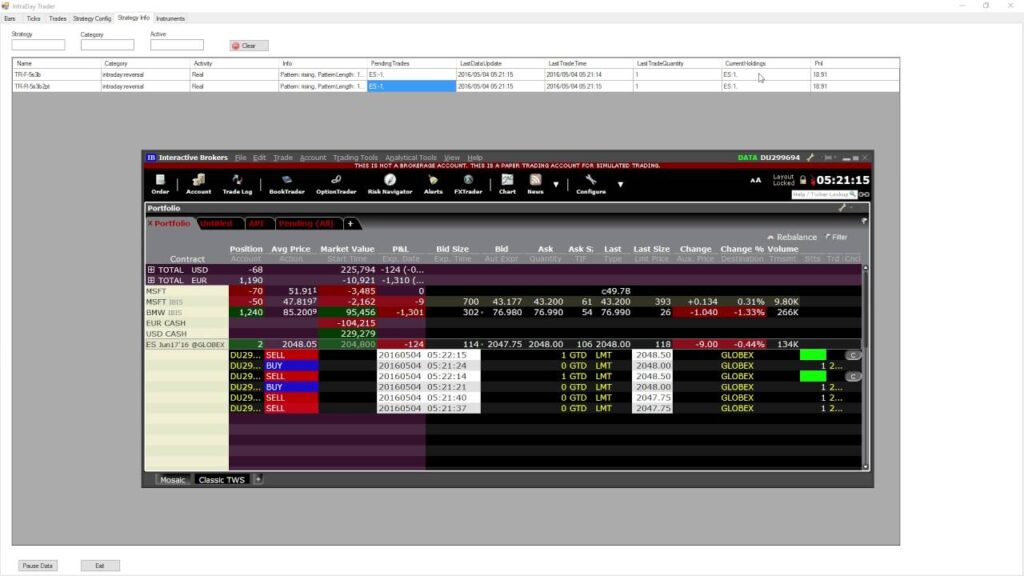
C# is a high-level, versatile programming language commonly used in the development of high-frequency trading applications due to its performance, efficiency, and robustness. Its object-oriented programming capabilities, advanced features, and strong integration with Microsoft technologies make it an ideal choice for building complex trading systems that require fast execution speeds and real-time data processing. C# also offers a wide range of libraries and frameworks that cater specifically to financial applications, making it a popular and powerful tool for traders and developers in the high-frequency trading industry.
Introduction
Welcome to our comprehensive guide on using C# for high-frequency trading applications. In this tutorial, we will cover the basics, provide examples, share best practices, and offer tips specifically for beginners in the field of high-frequency trading using C#.
C# for High-Frequency Trading Tutorial
If you are new to high-frequency trading and want to kickstart your journey with C#, you’ve come to the right place. In this tutorial, we will guide you through the process of building high-frequency trading applications using C#.
Before diving into the tutorial, make sure you have a basic understanding of C#. If you are already familiar with C#, feel free to skip to the next section.
C# for High-Frequency Trading Examples
Learning by example is an effective way to understand concepts better. In this section, we will provide several examples showcasing how C# can be used in high-frequency trading applications.
Example 1: Using C# to access market data in real-time
Example 2: Implementing efficient order execution algorithms in C#
Example 3: Building risk management systems using C# for high-frequency trading
These examples demonstrate the versatility and power of C# in the context of high-frequency trading.
Best Practices for C# for High-Frequency Trading
When developing high-frequency trading applications using C#, it is important to follow best practices to ensure optimal performance and efficient coding practices. Here are a few best practices to keep in mind:
1. Utilize Multithreading: High-frequency trading involves processing large amounts of data in real-time. Utilizing multithreading in your C# application allows for better concurrency and can significantly improve performance.
2. Implement Efficient Data Structures: Choose the most suitable data structures in C# for your trading application. Efficient data structures can improve data manipulation and retrieval, leading to faster execution times.
3. Performance Optimization: Constantly monitor and optimize your code to reduce latency. Techniques such as loop unrolling and minimizing memory allocations can improve the speed of your application.
4. Error Handling: Implement robust error handling mechanisms to ensure your application can handle exceptions and recover gracefully.
C# for High-Frequency Trading Tips
Here are some useful tips to keep in mind when working on your high-frequency trading projects using C#:
1. Thoroughly Understand the Trading Domain: Gain a comprehensive understanding of the high-frequency trading domain, including trading strategies, market dynamics, and regulatory requirements.
2. Backtesting: Before deploying your high-frequency trading application, perform extensive backtesting to validate your trading strategies and algorithms.
3. Continuous Learning and Adaptation: Keep yourself updated with the latest industry trends, technological advancements, and regulatory changes in the high-frequency trading realm.
C# for High-Frequency Trading for Beginners
If you are new to high-frequency trading and C#, here are a few steps to help you get started:
1. Learn the Fundamentals of C#: Start by understanding the basics of C# programming language, including syntax, variables, control structures, and object-oriented concepts.
2. Explore High-Frequency Trading Concepts: Familiarize yourself with the fundamental concepts of high-frequency trading, such as order types, market data, trading algorithms, and risk management.
3. Learn C# Libraries and Tools for High-Frequency Trading: Gain knowledge of the relevant libraries and tools available in C# for developing high-frequency trading applications, such as FIX protocol libraries and market data providers.
Conclusion
Congratulations! You now have a strong foundation in using C# for high-frequency trading applications. Remember to practice regularly and keep experimenting to enhance your skills in this exciting field. Harness the power of C# to build robust, efficient, and performant high-frequency trading systems.
C# is a versatile and powerful programming language that is well-suited for high-frequency trading applications. Its performance, flexibility, and extensive libraries make it an ideal choice for developing software in the fast-paced and demanding environment of high-frequency trading. With its robust features and strong community support, C# remains a top choice for developers looking to create efficient and reliable applications for the financial industry.
Related posts:
 Is C# better than Python?
 Is C# faster than Python?
 Is C# closer to Java or C++?
 Why C# over JavaScript?
 Is C# still relevant in 2024?
 Should I learn C# after C?
 Should I learn ASP.NET or C#?
 Can you build websites with C#?
 What is C vs C# vs C++?
 Should I learn C or C#?
 What is C# mostly used for?
 Is C# used for frontend or backend?
 What is C# best at?
 Is C# strong or weak typing?