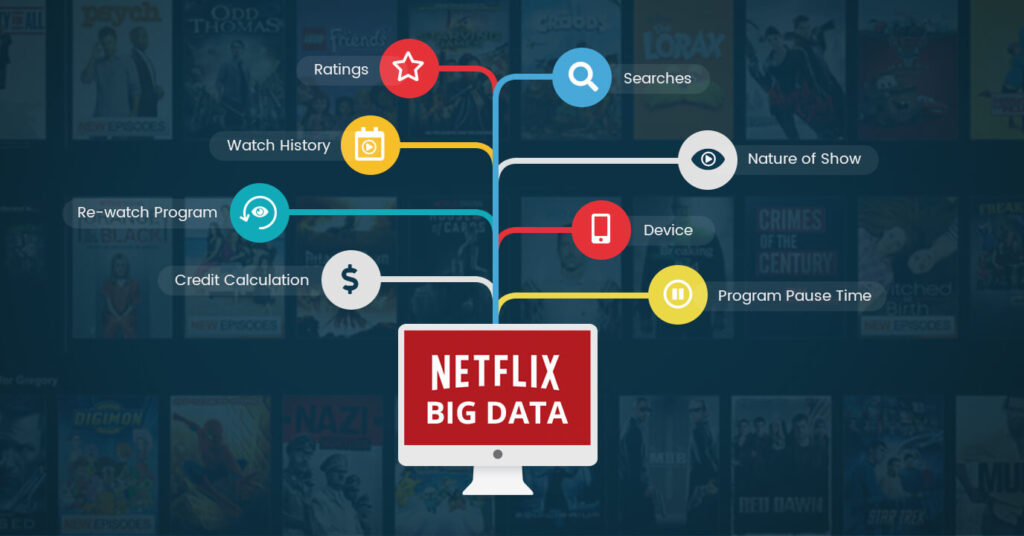
Netflix, the popular streaming service, revolutionized the way we consume entertainment by leveraging Big Data to deliver personalized content recommendations. With an extensive library of movies and TV shows, Netflix harnesses the power of Big Data analytics to understand viewer preferences and behaviors. This allows them to create algorithms that suggest tailored content to individual users, enhancing the overall user experience. By collecting and analyzing vast amounts of data on viewers’ viewing habits, ratings, and interactions, Netflix can continually refine its recommendation engine to provide users with content they are most likely to enjoy. This strategic use of Big Data has played a pivotal role in Netflix’s success, highlighting the immense potential of harnessing data analytics to drive personalized content recommendations in the digital age.
Netflix has emerged as a leader in the streaming industry, not just for its vast library of content but also for its innovative use of Big Data to enhance user experience. The platform effectively utilizes data analytics to deliver personalized content recommendations, optimizing viewer engagement and satisfaction.
The Role of Big Data in Netflix
Big Data refers to the enormous amount of structured and unstructured data that organizations generate and collect. For Netflix, this data comes from various sources, including user behavior, viewing preferences, and social media interactions. The company analyzes this data to understand consumer behavior, trending genres, and personalized content offerings.
With over 230 million subscribers as of October 2023, Netflix collects massive datasets every second. Each interaction—whether it’s a view, a scroll, or a search—contributes to an elaborate database, feeding into complex algorithms designed to improve user experience. This underscores the significance of Big Data in the entertainment sector.
User Behavior and Viewing Patterns
One of the primary ways Netflix employs Big Data is to analyze user behavior. Netflix tracks multiple dimensions of user interaction:
- View History: Every title watched by a user adds to their profile, allowing Netflix to learn about their preferences.
- Search Queries: What users search for often reflects their interests, which informs Netflix’s recommendation algorithms.
- Watch Duration: How long a user watches a particular show or movie can be an indicator of their engagement level and overall taste.
- User Ratings: Ratings and reviews contribute to a bigger picture of what content resonates well with specific demographics.
These insights are aggregated and analyzed to detect viewing patterns. For instance, if a user frequently watches thriller movies, Netflix will prioritize similar titles in their recommendations.
Collaborative Filtering Algorithms
To process the data collected, Netflix employs collaborative filtering algorithms. This technique compares the viewing habits of users to recommend content that similar users enjoyed. Essentially, if User A likes the same movies as User B, Netflix may suggest titles that User B viewed but User A has not. This method utilizes a sophisticated network of preferences to enhance personalized recommendations.
Content Metadata and Tags
In addition to user data, Netflix curates extensive metadata and tags for its content. Information such as the genre, cast, director, themes, and even the tone of the show or movie is annotated meticulously. This metadata allows for more nuanced recommendations. For instance, a viewer who enjoys “dark comedies” will receive suggestions for shows that fit that specific category, rather than just broadly categorizing them as comedies or dramas.
Machine Learning and Predictive Analytics
Machine learning (ML) plays a crucial role in Netflix’s Big Data strategy. ML algorithms analyze viewing habits, engagement metrics, and demographic data to create predictive models. These models anticipate what content users might want to watch next. The advantage of using predictive analytics is its ability to adapt and improve over time, learning from new data and refining recommendations accordingly.
For example, if a viewer suddenly shifts their viewing habits, the algorithms can quickly adjust to suggest newly relevant content, ensuring that users continue to find appealing material. This adaptability is key to retaining subscriber interest in a competitive streaming landscape.
Real-Time Data Processing
Netflix’s data architecture allows for real-time data processing. The company uses tools like Apache Kafka to handle streaming data, enabling instantaneous analysis of user actions. This means that as soon as a user interacts with the platform—be it clicking on a show or pausing a movie—data is sent to the back end for analysis. This real-time feedback loop ensures that the recommendations are not only timely but also contextualized to the user’s immediate mood and interests.
Content Strategy and Audience Analytics
Big Data also plays a pivotal role in Netflix’s content acquisition and original programming strategies. By analyzing viewing trends and audience preferences, Netflix can make informed decisions about which shows to produce or license. Several factors contribute to these decisions:
- Genre Popularity: Understanding which genres are performing best in specific demographics helps in curating successful content.
- Audience Demographics: Insights into the characteristics of its viewing audience aid Netflix in tailoring content for specific segments.
- Viewing Trends Over Time: Monitoring shifts in viewer preferences allows Netflix to stay ahead of emerging trends in entertainment.
For instance, the release of “Stranger Things” was backed by comprehensive analytics that indicated a rising interest in ’80s nostalgia and supernatural themes, directly influencing content production.
Personalized User Profiles
Netflix creates highly personalized user profiles based on a combination of user behavior and preferences derived from Big Data analysis. Each profile reflects individual tastes, allowing for tailored viewing experiences. Users can receive personalized thumbnails and targeted promotions that cater to their specific interests, enhancing the likelihood of engagement.
This personalization is crucial in preventing user churn. By delivering relevant content directly aligned with individual tastes, Netflix increases viewer satisfaction and loyalty, encouraging longer subscription durations.
A/B Testing and Experimentation
Netflix is also known for its rigorous approach to A/B testing. Through controlled experiments, the company tests different presentations of content to examine user response. By altering thumbnails, descriptions, or even the ordering of recommendations, Netflix can gauge which variations lead to higher engagement rates. This data-driven approach ensures that strategies are refined based on concrete user feedback rather than assumptions.
The results of these tests contribute significantly to Netflix’s understanding of its audience and inform future algorithms and marketing strategies.
Addressing Privacy Concerns
While Netflix’s Big Data practices greatly enhance personalization, they also raise important questions regarding user privacy. The company is committed to transparency in how it collects and uses data. Netflix provides users with options to manage their privacy settings and offers mechanisms for opting out of certain data collection practices.
In the age of data breaches and increased scrutiny over privacy, Netflix’s approach to Big Data highlights the importance of balancing user experience with ethical data management. It is crucial for companies to not only utilize data but also to protect user information, thus building trust between the platform and its subscribers.
Conclusion
In summary, Netflix’s adept use of Big Data for content recommendation demonstrates the power of data analytics in the streaming industry. By analyzing user behavior, employing machine learning algorithms, and experimenting through A/B testing, Netflix consistently provides a personalized viewing experience that captivates its audience. As technology continues to evolve, so will Netflix’s data strategy, transforming how consumers engage with content in unprecedented ways.
Netflix effectively utilizes Big Data to power its content recommendation engine, providing personalized viewing suggestions to millions of subscribers worldwide. By analyzing vast amounts of user data, Netflix enhances the viewing experience and strengthens customer engagement, demonstrating the immense value of Big Data in driving business success in the entertainment industry.
Related posts:
 The Five Vs of Big Data: Volume, Velocity, Variety, Veracity, and Value
 Understanding Data Pipelines in Big Data
 What is Apache Hadoop? A Complete Guide
 Understanding Apache Spark: Features and Use Cases
 Introduction to NoSQL Databases for Big Data
 Understanding HBase: How it Works in the Hadoop Ecosystem
 The Intersection of Big Data and Artificial Intelligence
 Natural Language Processing (NLP) with Big Data
 How Big Data is Used in Deep Learning Applications
 Sentiment Analysis with Big Data and AI
 Real-Time AI and Big Data: How It Works
 The Impact of Big Data on Financial Services and Banking
 Big Data in Smart Cities: Applications and Challenges
 Big Data and Retail: How It’s Changing the Shopping Experience