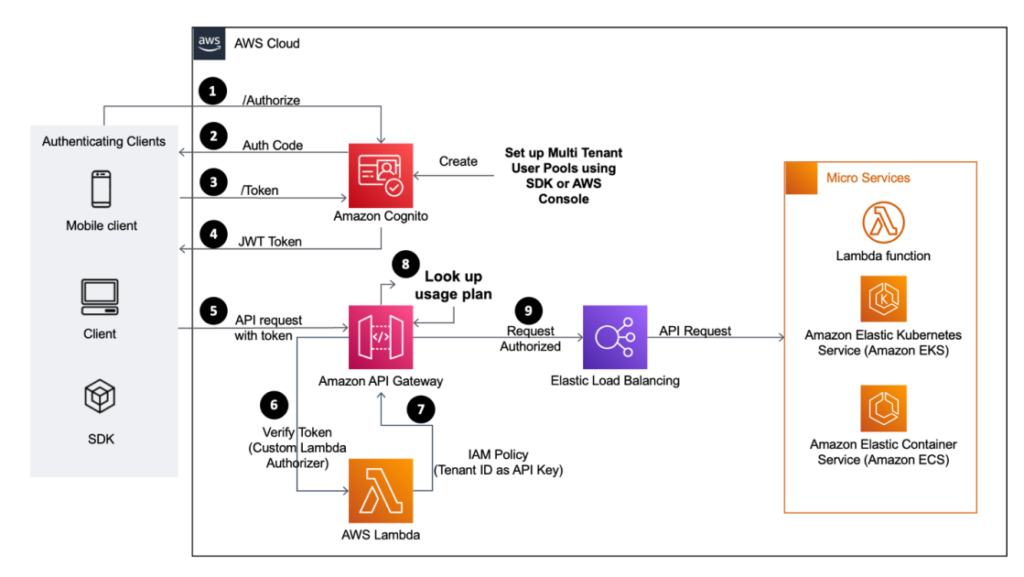
Building an API that supports a multi-tenant architecture is essential for applications that serve multiple users or organizations while maintaining data isolation and security. This approach allows for efficient resource utilization and scalability by sharing resources among tenants. To achieve this, developers need to design APIs with careful consideration for authentication, authorization, data segregation, and performance optimization. In this guide, we will explore best practices and strategies for building an API that embraces a multi-tenant architecture, ensuring a robust and secure service for all tenants.
Understanding Multi-Tenant Architecture
Multi-tenant architecture is a type of software architecture that allows a single instance of an application to serve multiple tenants. A tenant refers to a group that shares common access with specific privileges to the software instance. In terms of APIs and web services, supporting a multi-tenant architecture involves designing an API that can effectively manage data and resources across various clients while ensuring security, data isolation, and performance.
Key Benefits of Multi-Tenant APIs
Adopting a multi-tenant architecture for your API offers numerous benefits:
- Cost Efficiency: By sharing resources, you reduce server and infrastructure costs.
- Scalability: Easier to scale APIs to accommodate additional tenants without overhauling the entire system.
- Centralized Management: Updates and maintenance can be performed centrally, providing uniformity and efficiency.
- Faster Time to Market: Building upon a shared codebase accelerates development cycles.
Core Design Principles for Multi-Tenant APIs
1. Tenant Identification
One of the fundamental aspects of a multi-tenant API is how to identify tenants. This can be achieved through:
- API Keys: Assign each tenant a unique API key that is required for authentication.
- Subdomains: Use subdomains (e.g., tenant1.yourapi.com) for accessing tenant-specific resources.
- Path Parameters: Allow tenants to specify their identifier in the URL path itself (e.g., /api/v1/tenant1/resource).
2. Data Isolation
Proper data isolation is paramount in maintaining security and privacy among tenants. There are two primary approaches:
- Shared Database, Shared Schema: All tenants share the same database with shared tables, distinguished by a tenant ID column. This method is cost-effective but requires strict data access control.
- Shared Database, Separate Schemas: A single database is used, but each tenant has its own schema. This approach offers better data isolation without extensive overhead.
- Separate Databases: Each tenant has its own database instance. This ensures complete data privacy at the cost of higher resource usage.
3. Secure Authentication and Authorization
Implementing robust authentication and authorization mechanisms is crucial for multi-tenant APIs. Consider using:
- OAuth 2.0: This protocol enables delegated access with fine-grained permissions for tenant operations.
- JWT (JSON Web Tokens): Use JWTs for stateless authentication, where each token carries the tenant’s specific data.
4. Rate Limiting and Throttling
To ensure fair resource distribution and to prevent abuse of the API, implement rate limiting. This can be done using:
- Client-Level Throttling: Limit the number of requests a tenant can make in a specific time frame.
- Adaptive Rate Limiting: Adjust limits based on tenant usage patterns, promoting fair and efficient use of resources.
API Implementation Steps
Step 1: Define API Endpoints
Design the API endpoints taking into account multi-tenant capabilities. Here are some best practices:
- Use clear and descriptive endpoint paths that include tenant identifiers.
- Group endpoint operations logically, such as CRUD for resources.
Step 2: Set Up Middleware for Tenant Resolution
Implement middleware that resolves the tenant from the incoming requests. This might involve:
- Extracting tenant information from the request headers or URI.
- Validating the tenant’s existence in your system.
Step 3: Implement Data Access Layer
Create a data access layer that abstracts the different data storage strategies. Use the following patterns:
- Repository Pattern: Separate your business logic from direct database access, improving code maintainability.
- Unit of Work Pattern: Manage complex transactions across multiple operations.
Step 4: Handle Resource Access
In multi-tenant environments, it’s vital to control access to resources. Implement CRUD operations with rigorous checks ensuring tenants can only interact with their own data:
- Always filter data based on the authenticated tenant ID.
- Return meaningful error messages for unauthorized access attempts.
Step 5: Monitor Usage and Performance
Use monitoring tools to track API utilization across tenants. Metrics to monitor include:
- Total number of requests per tenant.
- Response times and error rates.
- Rate-limiting violations.
Testing Multi-Tenant APIs
Testing is crucial for ensuring the reliability of your multi-tenant API. Focus on the following areas:
- Functionality Testing: Verify that all API endpoints respond as expected under various scenarios.
- Security Testing: Ensure strict data access controls, validating that tenants can’t access each other’s data.
- Performance Testing: Assess how the API scales with concurrent requests from multiple tenants.
Managing Tenant Lifecycle
Develop a strategy to manage the full lifecycle of tenant accounts, including:
- Onboarding: Create a seamless process for new tenants to signup and receive necessary credentials.
- Offboarding: Establish procedures for safely deleting tenant data when they terminate their service.
Best Practices for Developing Multi-Tenant APIs
Adopting best practices is crucial for building effective multi-tenant APIs. Here are some recommendations:
- Document Your API: Provide thorough documentation and examples to help tenants understand correct API usage.
- Implement Caching: Use caching strategies where appropriate to enhance API performance.
- Foster Community Engagement: Create forums or support channels for tenants to share their experiences and solutions.
Conclusion: Future-Proofing Your API
Building a multi-tenant API is an investment in the future of your application. As you implement your API, keep evolving your strategies based on tenant feedback and technological advancements. This ongoing improvement will increase tenant satisfaction, enhance security, and foster growth.
Building an API that supports multi-tenant architecture is essential for enabling scalability, security, and efficiency in serving multiple clients or user groups. By implementing proper authentication, data isolation, and customization features, developers can create a flexible and robust API that caters to the unique needs of diverse tenants while maintaining a cohesive and manageable system. This approach not only enhances the user experience but also streamlines maintenance and updates, making it a valuable investment for any API-driven platform.
Related posts:
 What Are APIs and How Do They Work?
 How to Secure Your API with JWT
 Building a Microservices Architecture with APIs
What Are API Keys and How to Use Them Securely?
Building a Microservices Architecture with APIs
What Are API Keys and How to Use Them Securely?
 A Beginner’s Guide to API Monetization
 Using Google Maps API for Location-Based Applications
 How to Handle API Authentication in Mobile Apps
The Importance of API Caching and How to Implement It
How to Handle API Authentication in Mobile Apps
The Importance of API Caching and How to Implement It
 Building a Weather App Using OpenWeather API
 How to Use AI-Powered APIs for Your Applications
 API Gateway vs Load Balancer: Understanding the Differences
How to Set Up API Rate Limiting in Nginx
API Gateway vs Load Balancer: Understanding the Differences
How to Set Up API Rate Limiting in Nginx
 How to Optimize API Response Time for Better Performance
Best API Security Practices to Prevent Attacks
How to Optimize API Response Time for Better Performance
Best API Security Practices to Prevent Attacks