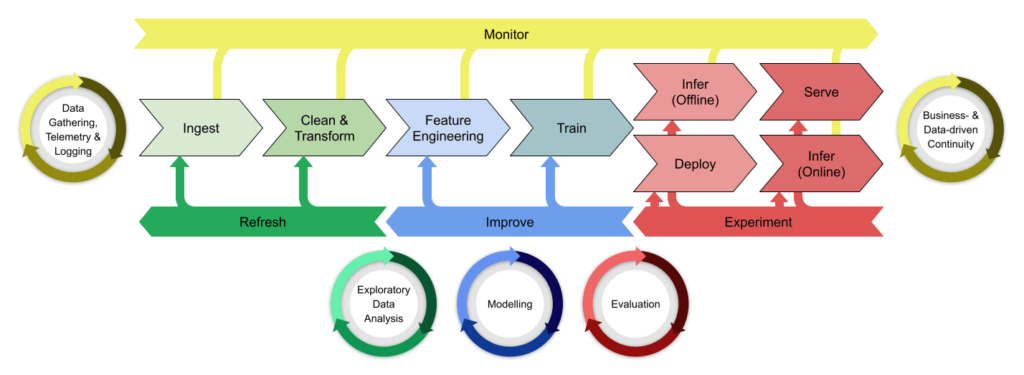
Implementing an end-to-end data orchestration framework is essential for efficiently managing and processing large volumes of data in the realm of Big Data. This framework serves as a structured approach to automating and coordinating data pipelines across various stages, from data ingestion to processing, storage, and visualization. By effectively orchestrating these tasks, organizations can streamline their data workflows, improve data quality, and gain actionable insights. In this article, we will explore the key components and best practices for successfully implementing an end-to-end data orchestration framework in the context of Big Data.
Understanding Data Orchestration
Data orchestration involves automating the management and coordination of data flows across various systems. This is particularly vital in the context of Big Data, where organizations often deal with massive datasets coming from diverse sources. An effective data orchestration framework helps in ensuring that data is accessible, reliable, and ready for analysis.
Key Components of a Data Orchestration Framework
1. Data Sources
The first step in building a data orchestration framework is identifying your data sources. These could include:
- APIs
- Databases (SQL and NoSQL)
- Data lakes
- Streaming data from IoT devices
- External sources such as third-party applications
2. Data Ingestion
After identifying data sources, the next step is data ingestion. This can be accomplished using various tools and techniques:
- Batch Processing: Ingesting large volumes of data at scheduled intervals.
- Stream Processing: Ingesting real-time data continuously as it arrives.
3. Data Processing
Once data is ingested, it needs to be processed. This involves transforming and enriching the data for analysis. Processing can be achieved through:
- ETL (Extract, Transform, Load): A traditional process for data transformation.
- ELT (Extract, Load, Transform): Loading data first and processing it after.
- Data Pipelines: Automated sequences that facilitate the flow of data from source to destination.
Steps to Implement an End-to-End Data Orchestration Framework
Step 1: Define Your Objectives
Begin by clearly defining the objectives of your data orchestration framework. Ask yourself:
- What are the key business outcomes you want to achieve?
- What types of data will you be working with?
- How real-time does your data processing need to be?
Step 2: Choose the Right Tools
Select tools that will facilitate the end-to-end orchestration process:
- Workflow Orchestration Tools: Tools like Apache Airflow, Prefect, and Luigi allow you to create and manage workflows.
- Data Storage Solutions: Decide between data lakes (e.g., AWS S3) and data warehouses (e.g., Snowflake).
- Data Processing Engines: Utilize Apache Spark for batch processing and Apache Flink for real-time stream processing.
Step 3: Design Your Architecture
Your data orchestration architecture should be modular and scalable. Consider the following:
- Data Ingestion Layer: This layer captures and stores incoming data.
- Data Processing Layer: This layer involves transforming the ingested data.
- Data Storage Layer: This layer is where processed data is stored for analysis.
- Data Access Layer: It allows users to access and analyze the data easily.
Step 4: Build Data Pipelines
Data pipelines are the backbone of your orchestration framework. Use the chosen orchestration tools to:
- Create workflows that define how data flows from source to destination.
- Schedule tasks to automate execution.
- Implement error handling to manage any potential issues.
Step 5: Implement Monitoring and Logging
Monitoring and logging are crucial to ensure that your data orchestration framework operates smoothly. Consider integrating:
- Monitoring Solutions: Tools like Prometheus or Grafana can help track the health of your data pipelines.
- Logging Frameworks: Utilize structured logs for troubleshooting and maintaining data integrity.
Step 6: Test and Validate
Before going live, testing and validating each component of your orchestration framework is essential. Conduct:
- Unit Tests: Test individual components in isolation.
- Integration Tests: Ensure components work together as expected.
- Load Tests: Simulate heavy loads to check system capabilities.
Step 7: Deploy and Iterate
Once testing is complete, deploy your data orchestration framework. Remember that building a data solution is an iterative process. Regularly review your architecture and workflows, and make necessary adjustments based on performance and business needs.
Challenges in Implementing Data Orchestration
While implementing a data orchestration framework can yield significant benefits, several challenges must be addressed:
1. Data Quality Issues
Data quality is crucial for reliable analytics. Ensure that your framework includes checks for data quality and integrity at every stage of the pipeline.
2. Scalability Concerns
As data volumes grow, your orchestration framework needs to be scalable. Design your architecture to accommodate growing data needs without compromising performance.
3. Security and Compliance
Data security is paramount, especially in industries that handle sensitive information. Implement security measures such as encryption, access controls, and compliance monitoring.
Best Practices for Data Orchestration
To maximize the efficiency of your data orchestration framework, consider the following best practices:
1. Automate Wherever Possible
Automation minimizes manual interventions and improves efficiency. Use orchestration tools to automate data workflows, scheduling, and error handling.
2. Use Version Control
Implement version control for your data pipelines. This not only helps in tracking changes but also makes it easier to roll back updates if issues arise.
3. Maintain Documentation
Clear documentation of your data architecture, workflows, and processes ensures that current and future team members can understand and manage the system effectively.
4. Foster Collaboration
Encourage collaboration among data teams, IT, and business stakeholders. Foster a culture of shared responsibility for data quality and governance across the organization.
5. Continuously Monitor and Optimize
Regularly review and optimize your orchestration framework. Use insights from monitoring tools and logs to identify bottlenecks and improve processes.
Conclusion
Implementing an end-to-end data orchestration framework for Big Data is a multi-faceted process that requires careful planning, execution, and continuous improvement. By following the outlined steps, challenges, and best practices, organizations can create a robust framework that enhances data accessibility, reliability, and analysis.
Implementing an end-to-end data orchestration framework is essential in leveraging the power of Big Data effectively. By streamlining data ingestion, processing, storage, and analysis, organizations can optimize their data management processes and derive valuable insights to drive informed decision-making and innovation. Prioritizing scalability, flexibility, and robust security measures will be key in successfully deploying a comprehensive data orchestration framework that meets the evolving needs of the business in the rapidly changing landscape of Big Data.
Related posts:
 The Five Vs of Big Data: Volume, Velocity, Variety, Veracity, and Value
 What is a Data Lake? Definition, Uses, and Benefits
 Introduction to Distributed Computing in Big Data
 Understanding Data Pipelines in Big Data
 Data Ingestion Techniques for Big Data Processing
 What is Apache Hadoop? A Complete Guide
 Understanding Apache Spark: Features and Use Cases
 What is Kafka? How it Powers Real-Time Big Data Applications
 Apache Flink vs. Apache Spark: Which One is Better?
 Introduction to NoSQL Databases for Big Data
 The Role of MongoDB in Big Data Analytics
 Understanding HBase: How it Works in the Hadoop Ecosystem
 How Elasticsearch is Used in Big Data Applications
 The Intersection of Big Data and Artificial Intelligence