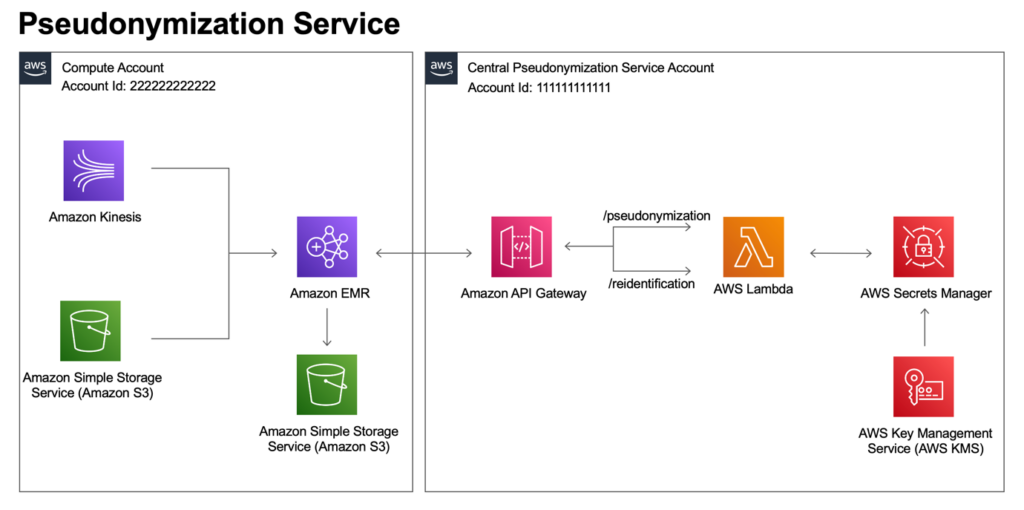
In the digital age, data privacy and compliance with regulations such as GDPR are paramount concerns for businesses that handle user information. When it comes to APIs & Web Services, implementing data anonymization techniques is essential to safeguarding sensitive data and ensuring privacy compliance. Anonymizing API data involves transforming personally identifiable information (PII) into non-identifiable and irreversible formats, thereby protecting the privacy of users. In this guide, we will explore best practices for implementing API data anonymization to achieve privacy compliance in the context of APIs & Web Services.
In today’s digital landscape, protecting user privacy and adhering to data protection regulations is crucial for any organization handling personally identifiable information (PII) through APIs and Web Services. Implementing data anonymization techniques is a key strategy in achieving compliance with privacy laws such as the GDPR, HIPAA, and CCPA. This article details methods and best practices for effectively anonymizing API data.
Understanding Data Anonymization
Data anonymization is the process of removing or modifying personal information from a dataset so that individuals cannot be easily identified. This is achieved through various techniques, ensuring that the data can still be useful for analysis while minimizing privacy risks.
The Importance of API Data Anonymization
With the rise in data breaches and increasing legal obligations, anonymizing API data is essential for:
- Compliance: Ensuring adherence to data protection regulations.
- Accountability: Reducing the risks associated with data leaks.
- Trust Building: Enhancing user confidence in your services.
Key Techniques for API Data Anonymization
1. Data Masking
Data masking involves obscuring sensitive information within a database, ensuring it is not easily readable. The original data is replaced with fictional but realistic data values.
Implementation Steps:
- Identify and categorize sensitive data fields.
- Define the masking rules for sensitive fields.
- Implement the masking process using tools like Oracle Data Masking or Informatica.
- Test the masked data for usability and readability.
2. Data Tokenization
Data tokenization replaces sensitive data elements with non-sensitive equivalents, called tokens, which can be mapped back to the original data only through a secure tokenization server.
Implementation Steps:
- Determine which data fields require tokenization.
- Choose a tokenization method (format-preserving, non-format-preserving).
- Implement a tokenization solution; popular options include TokenEx and Thales.
- Ensure secure access to the tokenization server.
3. Differential Privacy
Differential privacy adds randomized noise to data queries, which helps obscure the identity of individuals within a dataset while allowing for statistical analysis.
Implementation Steps:
- Integrate a differential privacy library, such as Google’s Differential Privacy Library.
- Define the privacy budget and noise parameters.
- Implement the differential privacy algorithm within your API.
- Evaluate the trade-offs between data utility and privacy.
Integrating Anonymization in APIs
Setting Up Anonymization Procedures
Integrating anonymization techniques into your API involves:
- Identifying sensitive data endpoints within the API.
- Incorporating anonymization functions before data is sent out.
- Utilizing middleware or service layers for data processing and anonymization.
- Ensuring that logs and audit trails do not store sensitive data.
Workflow Example
Here’s a practical example of implementing anonymization within an API:
1. User sends a request to access their data via the API.
2. The API retrieves the sensitive information from the database.
3. Anonymization functions (e.g., data masking or tokenization) are applied.
4. The anonymized data is returned to the user.
5. Usage metrics for anonymized data are logged for analysis, without storing sensitive inputs.
Testing and Auditing Anonymization Techniques
It is essential to test your anonymization methods regularly to ensure they are effective. This can be done through:
- Pseudonymization Testing: Verify that the anonymized data cannot identify individuals.
- Security Audits: Check for vulnerabilities in the tokenization and masking systems.
- User Feedback: Collect feedback from users regarding the perceived privacy of the service.
Privacy Compliance Frameworks
Many organizations turn to established privacy compliance frameworks to develop their anonymization strategies. These frameworks guide how to handle and process personal data:
- General Data Protection Regulation (GDPR): Outlines requirements for data erasure and anonymization.
- Health Insurance Portability and Accountability Act (HIPAA): Mandates protections for patient data and confidentiality.
- California Consumer Privacy Act (CCPA): Provides consumers with rights regarding their personal information.
Best Practices for Effective Data Anonymization
Implementing the right strategies and practices can enhance the effectiveness of your anonymization efforts:
- Regularly update anonymization methodologies: Stay abreast of new techniques and regulations.
- Educate staff: Ensure team members understand data privacy and anonymization processes.
- Conduct regular reviews and audits: Periodic assessments ensure compliance and effectiveness.
Challenges in Data Anonymization
Despite its benefits, several challenges can arise during the implementation of data anonymization techniques:
- Maintaining Data Utility: Striking a balance between usefulness and privacy is critical.
- Complexity of Implementation: Integration can be technically challenging depending on existing infrastructure.
- Keeping Up with Regulations: Data privacy laws are constantly evolving, requiring continuous monitoring.
Tools and Technologies for API Data Anonymization
Several tools can assist in the implementation of data anonymization, each offering unique features:
- Apache NiFi: A powerful tool for data ingestion and transformation.
- Data Masking Solutions: Tools like Informatica Data Masking or IBM InfoSphere.
- Tokenization Providers: Services such as TokenEx and Thales.
Final Thoughts on API Data Anonymization
Adopting robust data anonymization practices not only aids in compliance with regulations but also fosters a trustworthy relationship with users. As data privacy continues to be a focal point for users and regulators alike, ensuring that your APIs are safeguarded against unauthorized data access will remain a priority for forward-thinking organizations.
Implementing API data anonymization is crucial for achieving privacy compliance in the context of APIs & Web Services. By anonymizing sensitive data before sharing it through APIs, organizations can protect user privacy and comply with relevant regulations such as GDPR. This process involves removing identifying information from datasets to ensure that individuals cannot be re-identified. By incorporating robust anonymization techniques into API workflows, organizations can safeguard user privacy while still benefiting from the valuable insights and functionality APIs offer.
Related posts:
 What Are APIs and How Do They Work?
 How to Secure Your API with JWT
 Building a Microservices Architecture with APIs
What Are API Keys and How to Use Them Securely?
Building a Microservices Architecture with APIs
What Are API Keys and How to Use Them Securely?
 A Beginner’s Guide to API Monetization
 Using Google Maps API for Location-Based Applications
 How to Handle API Authentication in Mobile Apps
The Importance of API Caching and How to Implement It
How to Handle API Authentication in Mobile Apps
The Importance of API Caching and How to Implement It
 Building a Weather App Using OpenWeather API
 How to Use AI-Powered APIs for Your Applications
 API Gateway vs Load Balancer: Understanding the Differences
How to Set Up API Rate Limiting in Nginx
API Gateway vs Load Balancer: Understanding the Differences
How to Set Up API Rate Limiting in Nginx
 How to Optimize API Response Time for Better Performance
Best API Security Practices to Prevent Attacks
How to Optimize API Response Time for Better Performance
Best API Security Practices to Prevent Attacks