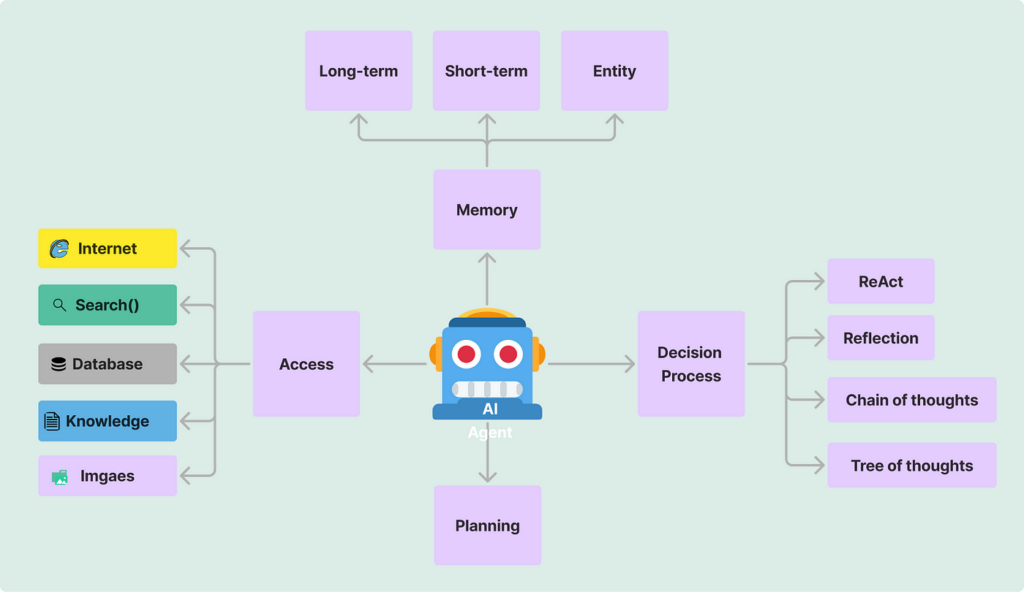
In the realm of Big Data processing, the integration of Context-Aware Artificial Intelligence (AI) has proven to be a game-changer. By harnessing the power of AI algorithms that are able to adapt to and utilize contextual information, organizations can enhance the efficiency and effectiveness of their Big Data processing workflows. This approach enables dynamic decision-making based on real-time data and situational context, resulting in improved insights and outcomes. In this article, we will delve into the significance of leveraging Context-Aware AI for Dynamic Big Data Processing and explore the benefits it brings to the world of Big Data analytics.
In the era of Big Data, the need for efficient processing and insightful analysis has never been more critical. Enterprises have recognized the potential of leveraging the capabilities of Context-Aware AI to enhance their Big Data processing strategies. In this article, we will explore how to implement context-aware AI solutions to facilitate dynamic processing of big data and gain actionable insights.
Understanding Context-Aware AI
Context-Aware AI refers to technology that recognizes and utilizes contextual information in decision-making processes. By analyzing variables such as the user’s location, preferences, and historical data, this technology provides tailored insights and predictions. In the realm of Big Data, this means that data processing becomes more adaptive and relevant.
Examples of context-aware data include:
- Geolocation data
- User behavior and activity
- Temporal data (time-specific information)
- Environmental factors (e.g., weather conditions)
Importance of Context-Aware AI in Big Data Processing
The integration of context-aware AI into the Big Data ecosystem offers several benefits:
- Enhanced Data Relevance: Context-aware AI helps to filter and prioritize data based on its relevance to the current environment, making it easier to derive insights that matter.
- Improved Decision-Making: Organizations can make better-informed decisions with real-time insights driven by contextual analysis.
- Increased Efficiency: By processing data in a context-sensitive manner, businesses can optimize resource allocation and reduce operational costs.
- Real-Time Analytics: Context-aware systems can provide immediate feedback and analysis, essential for industries requiring quick responses, such as finance and healthcare.
Implementing Context-Aware AI for Dynamic Big Data Processing
1. Data Collection
The first step in leveraging context-aware AI is effective data collection. You need to gather different types of data from various sources:
- Structured Data: Relational databases, spreadsheets, and CRM data.
- Unstructured Data: Social media feeds, emails, and videos.
- Semi-Structured Data: XML, JSON, and HTML data formats.
Utilizing platforms that integrate the collection of diverse data types (like IoT devices, APIs, and web scraping tools) will provide a robust dataset for context-aware insights.
2. Contextual Analytics
Once you have collected the data, the next step focuses on contextual analytics. This involves using advanced analytics and algorithms to interpret data in relation to specific contexts. Here are key elements to consider:
- Machine Learning Models: Employ machine learning algorithms that can learn from previous data patterns and adjust to new inputs effectively.
- Natural Language Processing (NLP): Use NLP to analyze text data and extract relevant insights based on contextual cues.
- Real-time Data Processing: Utilize tools like Apache Kafka or Spark Streaming to facilitate the real-time analysis of streaming data based on context.
3. Integration of Contextual Data Sources
Effective use of context-aware AI requires the integration of various contextual data sources. Here are steps to achieve this integration:
- APIs: Utilize application programming interfaces (APIs) to bring in data from different applications and platforms.
- Data Lakes: Consider implementing data lakes that can store both structured and unstructured data for broader contextual analysis.
- Third-Party Solutions: Leverage third-party services and tools to gather contextual data such as weather information, economic statistics, etc.
4. Building Contextual Models
Creating models that understand context is essential for dynamic big data processing. Focus on:
- Hierarchical Models: Build models that take into account multiple layers of context, such as time, location, and user preferences.
- Adaptive Learning Algorithms: Utilitize algorithms that can learn and adapt to new contextual data over time, refining their output as more data is ingested.
- Feedback Loops: Establish feedback mechanisms that allow models to refine and improve based on real-world outcomes and decisions generated from the insights.
5. Visualization and Reporting
Effective visualization is crucial for interpreting contextual insights from big data. Utilize tools like Tableau or Power BI to:
- Create Dashboards: Build user-friendly dashboards that display real-time data insights based on contextual factors.
- Dynamic Reporting: Design reports that can adapt dynamically based on the changing context and data inputs, providing users with relevant insights quickly.
6. Security and Privacy Considerations
When implementing context-aware AI in big data processing, it is vital to consider security and privacy:
- Data Encryption: Ensure sensitive data is encrypted to protect against breaches.
- User Consent: Always obtain user consent for data collection and processing to comply with regulations like GDPR.
- Anonymization: Implement anonymization techniques to protect personal information while still gaining insights from aggregated data.
Challenges of Context-Aware AI in Big Data Processing
While integrating context-aware AI into big data processing offers numerous advantages, there are also challenges:
- Data Quality: Poor-quality data can hinder the effectiveness of context-aware models.
- Complexity of Implementation: Developing context-aware systems requires significant expertise and resources.
- Scalability: Ensuring that solutions can scale with increasing data volumes is crucial.
Future Trends in Context-Aware AI and Big Data
The combination of context-aware AI and Big Data is poised for exciting developments:
- Increased Adoption of Edge Computing: Processing data closer to its source can enhance the speed and relevance of context-aware insights.
- Enhanced Personalization: Businesses will increasingly use context-aware insights to deliver highly personalized experiences to users.
- Greater Use of Automated AI: Automation in AI-driven insights will reduce the need for manual input, allowing for more efficient data processing and analysis.
By embracing the principles of context-aware AI, organizations can significantly boost their ability to process big data dynamically, leading to more insightful, data-driven decisions that enhance business outcomes.
Incorporating context-aware AI algorithms into dynamic big data processing holds significant potential for enhancing data analysis and decision-making processes. By leveraging contextual information, organizations can improve the accuracy and efficiency of their data processing pipelines, leading to valuable insights and better outcomes. This approach enables businesses to adapt to evolving data requirements and extract maximum value from their big data assets, ultimately driving informed strategic decisions and competitive advantages in the rapidly changing landscape of the digital age.
Related posts:
 The Five Vs of Big Data: Volume, Velocity, Variety, Veracity, and Value
 What is a Data Lake? Definition, Uses, and Benefits
 Introduction to Distributed Computing in Big Data
 Understanding Data Pipelines in Big Data
 Data Ingestion Techniques for Big Data Processing
 What is Apache Hadoop? A Complete Guide
 Understanding Apache Spark: Features and Use Cases
 Introduction to NoSQL Databases for Big Data
 The Role of MongoDB in Big Data Analytics
 Understanding HBase: How it Works in the Hadoop Ecosystem
 How Elasticsearch is Used in Big Data Applications
 The Intersection of Big Data and Artificial Intelligence
 How Big Data Powers Machine Learning Models
 Natural Language Processing (NLP) with Big Data