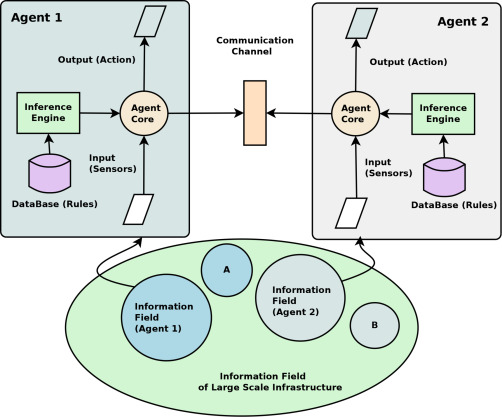
In the realm of Big Data processing, the utilization of Multi-Agent Systems (MAS) has gained significant attention due to its capability to handle complex distributed computing tasks efficiently. MAS constitute a collection of autonomous agents that interact with each other to achieve a common goal, making them well-suited for managing and processing large volumes of data across multiple nodes in a networked environment. By harnessing the power of MAS, organizations can enhance their Big Data processing capabilities, improve scalability, and achieve higher performance levels. This article explores the key principles of utilizing Multi-Agent Systems for distributed Big Data processing, highlighting the benefits and challenges associated with this innovative approach.
Understanding Multi-Agent Systems
Multi-Agent Systems (MAS) are composed of multiple interacting intelligent agents that can act autonomously. Each agent typically has its own goals, capabilities, and knowledge base. The use of MAS is increasingly prevalent in the domain of Big Data processing due to its ability to efficiently manage and process vast volumes of data by distributing the workload among several agents.
The key characteristics of MAS include:
- Autonomy: Agents operate independently and make decisions without human intervention.
- Collaboration: Agents can work together to achieve common goals.
- Adaptability: Agents can adapt to changes in the environment and learn from interactions.
- Decentralization: There is no single point of control, which improves fault tolerance.
Benefits of Using MAS for Big Data Processing
Implementing Multi-Agent Systems in distributed Big Data processing offers several advantages:
- Scalability: MAS can easily scale horizontally, allowing organizations to handle increased data loads without significant overhauls to the system.
- Efficiency: By parallelizing processing tasks, MAS enhances speed and response times, crucial for real-time data analysis.
- Fault Tolerance: The decentralized nature ensures that system failure in one agent does not impede overall performance, maintaining high availability.
- Load Balancing: Agents can dynamically distribute workloads based on current capacity, ensuring optimal resource utilization.
Frameworks for Multi-Agent Systems in Big Data Processing
Various frameworks facilitate the development and deployment of Multi-Agent Systems tailored for Big Data applications. Some noteworthy frameworks include:
1. JADE (Java Agent Development Framework)
JADE is a popular framework for building multi-agent applications in compliance with the FIPA (Foundation for Intelligent Physical Agents) standards. It provides an environment for agents to communicate, cooperate, and compete, which is beneficial for distributed data processing tasks. JADE supports interaction through yellow pages services, allowing agents to discover and interact with one another seamlessly.
2. SPADE (Smart Python Agent Development Environment)
SPADE is a Python-based framework that simplifies the creation of multi-agent systems. It incorporates a powerful, asyncio-oriented architecture that allows for asynchronous communication between agents. SPADE’s flexibility and rich libraries make it suitable for Big Data processing, particularly in environments heavy on statistical analysis and machine learning.
3. AgentSpeak
Built on the concept of programming agents using a logic-based language, AgentSpeak enables the development of highly responsive and cognitive agents. This framework is particularly useful in data-integrative applications where agents need to analyze and process data streams from multiple sources efficiently.
Best Practices for Implementing MAS in Big Data Processing
To effectively leverage Multi-Agent Systems for distributed Big Data processing, consider these best practices:
1. Define Clear Objectives
Before implementing a MAS architecture, it is essential to outline the specific goals of the system. Define what types of data will be processed, the expected outcomes, and the roles of each agent within the system. This clarity will guide the system design and ensure that resources are allocated efficiently.
2. Ensure Seamless Communication
Implement robust communication protocols to enable efficient interaction between agents. Consider utilizing Agent Communication Language (ACL) to standardize interactions and enhance interoperability across heterogeneous agents and data sources.
3. Optimize Data Distribution
Develop intelligent data partitioning techniques to distribute workloads among agents evenly. This can involve considering factors such as data type, size, and relevance to ensure that agents are not overloaded with tasks, which could degrade performance.
4. Incorporate Learning Mechanisms
Equip agents with the ability to learn from interactions and historical data. Implement machine learning techniques to enable agents to adapt their processing strategies based on changing conditions and patterns in the data they encounter.
5. Monitor and Analyze Performance
Continuous monitoring of agent performance is crucial for identifying bottlenecks and issues early on. Utilize logging and data analytics tools to analyze agent activity and system performance metrics, ensuring that adjustments can be made promptly.
Case Studies: Using MAS for Big Data
1. Traffic Management Systems
In urban environments, traffic management systems leverage Multi-Agent Systems to analyze data from various sources such as vehicles, traffic signals, and pedestrian movements. Each agent monitors real-time data and collaborates with others to optimize traffic flow, reduce congestion, and improve safety. This ensures effective Big Data processing by distributing the computational load among multiple agents.
2. Healthcare Monitoring Systems
In healthcare, MAS can process and analyze patient data from IoT devices. Agents can monitor patient health, analyze trends, and alert medical staff when abnormal conditions are detected. The distributed nature of the system enhances processing speed while ensuring patient data privacy and security.
3. Smart Grid Management
The implementation of MAS in smart grid systems allows for better management of energy resources and distribution. Agents can monitor real-time energy usage and generation, facilitating dynamic load balancing and optimizing resource allocation. This approach supports large-scale data analysis while ensuring system resilience and adaptability.
Challenges of Using MAS for Big Data Processing
Despite their advantages, deploying Multi-Agent Systems for Big Data processing is not without challenges:
1. Complexity in System Design
The design and implementation of MAS can be significantly more complex than traditional systems due to the need for designating roles and ensuring seamless communication. It requires careful planning and execution to maximize the benefits of agents working in unity.
2. Data Scale and Diversity
Handling large volumes of diverse data can strain the capabilities of agents. It is crucial to develop effective strategies and technologies that enable agents to process and analyze data efficiently without performance degradation.
3. Standardization Issues
The lack of standardized protocols and communication methods can lead to interoperability issues among different agents and systems. Adhering to established conventions such as FIPA can help mitigate these challenges.
4. Security Concerns
With the decentralization of processing, security becomes a critical concern. Implementing robust security measures and protocols is essential to protect sensitive data and ensure that agents operate in a secure environment.
Conclusion
By leveraging Multi-Agent Systems for distributed Big Data processing, organizations can harness the strengths of distributed workloads, enhance processing efficiency, and adapt to varying data requirements in real-time. While challenges exist, careful planning and implementation can mitigate risks and maximize the effectiveness of MAS in harnessing the power of Big Data.
Leveraging Multi-Agent Systems for distributed Big Data processing offers a promising approach to enhancing scalability, fault tolerance, and efficiency in handling vast amounts of data. By utilizing intelligent agents to autonomously collaborate and communicate in a decentralized manner, organizations can effectively tackle the challenges of processing and analyzing Big Data. Embracing this innovative methodology can lead to optimized data processing workflows and ultimately unlock valuable insights from large datasets.
Related posts:
 What is Big Data? A Beginner’s Guide
 The Five Vs of Big Data: Volume, Velocity, Variety, Veracity, and Value
 Structured vs. Unstructured Data: Key Differences and Examples
 What is a Data Lake? Definition, Uses, and Benefits
 Introduction to Distributed Computing in Big Data
 Understanding Data Pipelines in Big Data
 The Evolution of Big Data Technologies: Past, Present, and Future
 Data Ingestion Techniques for Big Data Processing
 What is Apache Hadoop? A Complete Guide
 Understanding Apache Spark: Features and Use Cases
 What is Kafka? How it Powers Real-Time Big Data Applications
 Apache Flink vs. Apache Spark: Which One is Better?
 Introduction to NoSQL Databases for Big Data
 The Role of MongoDB in Big Data Analytics