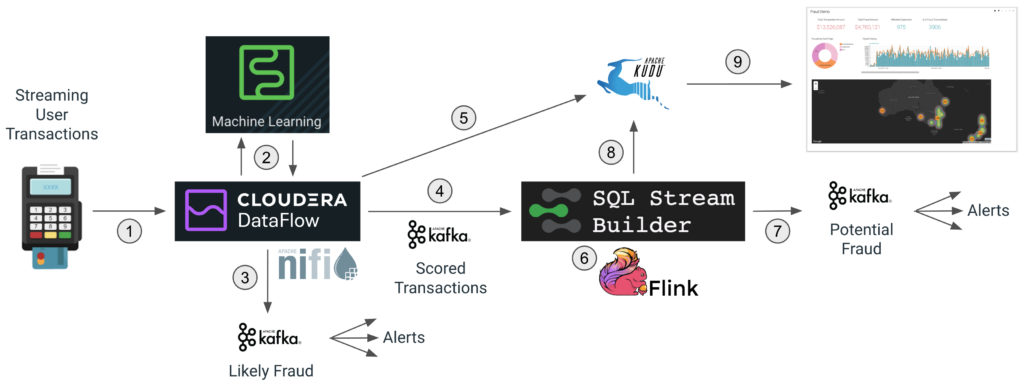
In the realm of Big Data analytics, real-time fraud detection has become a crucial application leveraging stream processing technologies. By continuously analyzing and extracting insights from incoming data streams, organizations can swiftly identify and thwart fraudulent activities as they occur. This proactive approach allows for timely responses and minimizes potential risks, making stream processing a powerful tool in the fight against fraud. In this article, we will explore how stream processing facilitates real-time fraud detection in Big Data environments, highlighting its benefits and best practices for effective implementation.
Understanding Stream Processing in Big Data
Stream processing refers to the continuous input, processing, and output of data streams. In the context of Big Data, it enables organizations to analyze data in real-time as it is generated. This capability is especially crucial for fraud detection systems, which require immediate insights and actions to mitigate risks. Stream processing technologies, such as Apache Kafka, Apache Flink, and Spark Streaming, allow businesses to implement sophisticated algorithms capable of detecting anomalies and fraudulent activities as they occur.
The Importance of Real-Time Fraud Detection
Fraud prevention is a top priority for financial institutions, e-commerce platforms, and various businesses managing sensitive data. Traditional batch processing methods can lead to delayed responses, allowing fraudulent activities to result in significant losses. By leveraging real-time analytics through stream processing, organizations can swiftly identify unusual patterns and prevent fraudulent transactions before they complete. This proactive approach minimizes financial loss and enhances customer trust.
Components of a Stream Processing System for Fraud Detection
The architecture of a stream processing system for fraud detection typically includes several key components:
- Data Ingestion: This involves capturing data streams from various sources, including transaction logs, user activities, and sensor data.
- Streaming Analytics Engine: Analyzes incoming data streams in real-time, applying algorithms and machine learning models to detect anomalies.
- Data Storage: A system for storing streaming data for further analysis and auditing, often using cloud solutions or distributed databases.
- Alerting Mechanisms: Automatically generates alerts based on detected anomalies, allowing teams to investigate and respond promptly.
- Visualisation Tools: Dashboards to visualize data metrics and alerts, aiding in quick understanding and response.
Setting Up Your Stream Processing System
To establish an effective stream processing solution for fraud detection, consider the following steps:
- Identify Data Sources: Determine the types of data that are relevant for detecting fraud. This may include transaction data, user behavior analytics, and historical fraud data.
- Select Stream Processing Framework: Choose between various frameworks such as Apache Kafka for message brokering, Apache Flink for stream processing, or Spark Streaming for micro-batching functionalities.
- Build Data Pipelines: Create pipelines that clean, transform, and analyze the data on-the-fly. This could involve using tools like Apache NiFi or custom ETL processes.
- Implement Machine Learning Algorithms: Utilize machine learning models to identify patterns indicative of fraud. Algorithms such as decision trees, neural networks, and ensemble methods can be trained on historical data.
- Set Up Monitoring and Alerting: Ensure your system can trigger alerts for suspicious activities based on thresholds defined in your algorithms.
Data Ingestion Techniques
One critical aspect of building a successful stream processing system is effective data ingestion. There are various methods to capture streaming data:
- Log Files: Collect transactions and interactions from log files using services like Logstash.
- Webhooks: Integrate webhooks to receive real-time data updates directly from third-party applications.
- APIs: Use APIs to pull data from external sources and systems for real-time analysis.
- Database Triggers: Implement database triggers to capture changes in data as they happen.
Applying Machine Learning for Anomaly Detection
With a steady stream of data flowing into your system, the next step is implementing machine learning algorithms for fraud detection:
- Supervised Learning: Train models using labeled datasets consisting of both fraudulent and non-fraudulent transactions. This approach helps to build a classifier.
- Unsupervised Learning: Apply algorithms like clustering to identify unusual patterns without labeled training data. This can be effective for new types of fraud.
- Reinforcement Learning: Create models that evolve based on the feedback of their predictions, enhancing detection capabilities over time.
Each of these methods provides unique insights and can be combined to build a more robust fraud detection system.
Monitoring and Fine-Tuning Your System
Establishing your system is just the beginning. Continuous monitoring and fine-tuning are vital to maintain efficacy:
- Feedback Loop: Set up mechanisms for your analysts to provide feedback on alerts to improve model accuracy.
- Performance Metrics: Track key performance indicators (KPIs) such as false positives, detection time, and overall accuracy.
- Regular Updates: Periodically retrain your models with new data to ensure they adapt to evolving fraud tactics.
- System Scaling: As your data volume grows, ensure that your infrastructure can scale accordingly, using cloud solutions or distributed architectures.
Examples of Stream Processing for Fraud Detection
Many organizations have successfully implemented stream processing for real-time fraud detection. Here are a few notable examples:
- Financial Institutions: Banks employ stream processing to monitor transactions in real-time, analyzing patterns that may indicate fraud, and preventing unauthorized transactions instantly.
- E-commerce Platforms: Online retailers use stream processing systems to evaluate user behavior on their sites, quickly identifying signs of potential fraud during the checkout process.
- Telecommunications: Telecom companies implement stream processing to detect unusual calling patterns, protecting against sim card fraud and subscription theft.
Challenges in Stream Processing for Fraud Detection
Although stream processing provides numerous advantages for fraud detection, it also presents certain challenges:
- Data Quality: Ensuring high-quality and clean data is vital. Inconsistent data can lead to inaccurate fraud detection.
- Latency Issues: Although stream processing is designed to work in real-time, network latency and processing delays can hinder rapid response.
- Scalability: As data volumes increase dramatically, ensuring that your stream processing architecture can scale without degrading performance is essential.
- Model Drift: Over time, fraud patterns may evolve, necessitating frequent updates and retraining of machine learning models to maintain detection accuracy.
Best Practices for Stream Processing in Fraud Detection
To maximize the potential of your stream processing system for fraud detection, consider implementing these best practices:
- Start Small: Begin with a pilot project that focuses on a specific area of your business where fraud is prevalent. Expand as you gain experience.
- Integrate with existing systems: Ensure your stream processing solution can seamlessly integrate with existing business applications and data sources to enhance its utility.
- Invest in Training: Provide your teams with adequate training on the tools and algorithms used in your stream processing approach.
- Engage Stakeholders: Involve key business stakeholders in the design and deployment of your fraud detection system to align it with business goals.
- Regularly Audit: Conduct regular audits of your process and outcomes to ensure compliance and effectiveness.
Conclusion of the Content Section
By harnessing the power of stream processing, organizations can effectively battle fraud in real-time, significantly mitigating risks and enhancing operational efficiency.
Leveraging stream processing for fraud detection in real-time within the realm of Big Data presents a powerful and efficient solution to combat fraudulent activities. The ability to analyze and identify suspicious patterns instantaneously allows organizations to swiftly respond to emerging threats and protect their systems and data effectively. By implementing stream processing technology, businesses can proactively detect and prevent fraud, ultimately securing their operations and enhancing trust with their customers.
Related posts:
 The Five Vs of Big Data: Volume, Velocity, Variety, Veracity, and Value
 Introduction to Distributed Computing in Big Data
 Understanding Data Pipelines in Big Data
 What is Apache Hadoop? A Complete Guide
 Understanding Apache Spark: Features and Use Cases
 Introduction to NoSQL Databases for Big Data
 Understanding HBase: How it Works in the Hadoop Ecosystem
 The Intersection of Big Data and Artificial Intelligence
 Natural Language Processing (NLP) with Big Data
 How Big Data is Used in Deep Learning Applications
 Sentiment Analysis with Big Data and AI
 Real-Time AI and Big Data: How It Works
 The Impact of Big Data on Financial Services and Banking
 Big Data in Smart Cities: Applications and Challenges