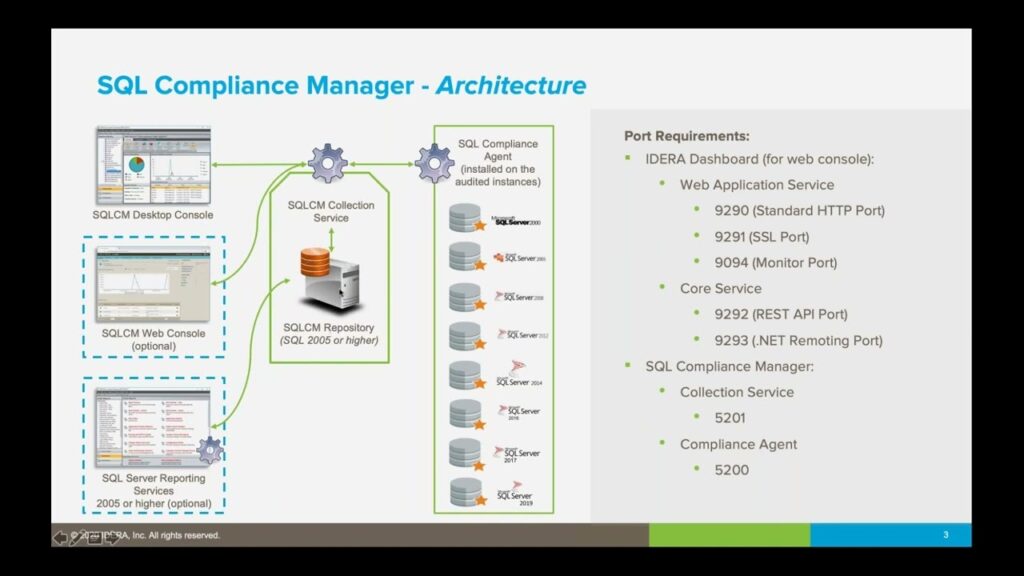
SQL, or Structured Query Language, is a powerful tool commonly utilized in the realm of regulatory compliance reporting. SQL enables organizations to extract and analyze data from various databases to ensure compliance with regulations and standards. By writing queries in SQL, businesses can retrieve specific information, generate detailed reports, and establish data governance protocols to meet regulatory requirements. This structured approach to data management allows for efficient monitoring and validation of data integrity, aiding in the seamless preparation and submission of compliance reports.
In today’s data-driven world, SQL (Structured Query Language) plays a pivotal role in regulatory compliance reporting. Organizations must adhere to various regulatory frameworks such as GDPR, HIPAA, and SOX, which necessitate precise and transparent data management. SQL is essential for querying, managing, and analyzing data effectively, ensuring compliance across industries.
Understanding Regulatory Compliance
Regulatory compliance refers to the adherence to laws, regulations, guidelines, and specifications relevant to business processes. Companies must establish systems that ensure their data is accurate, accessible, and secure. SQL simplifies this by allowing organizations to retrieve data efficiently, validate accuracy, and ensure integrity. Common frameworks requiring compliance include:
- GDPR (General Data Protection Regulation)
- HIPAA (Health Insurance Portability and Accountability Act)
- SOX (Sarbanes-Oxley Act)
- PCI DSS (Payment Card Industry Data Security Standard)
The Role of SQL in Compliance Reporting
SQL is vital in facilitating compliance reporting. Organizations utilize SQL databases to ensure that they can generate reports that demonstrate compliance with various regulations. Here’s how SQL aids in this process:
1. Data Retrieval and Reporting
SQL’s primary function is to retrieve data from relational databases. Compliance reporting often requires complex queries to aggregate data from various sources. Effective use of SQL allows users to:
- Run SELECT queries to pull specific data elements required for compliance.
- Combine data from multiple tables using JOIN operations to create comprehensive reports.
- Use GROUP BY to summarize data based on compliance categories.
2. Data Validation and Integrity
Ensuring the accuracy and legitimacy of data is crucial for compliance. SQL supports various functions to validate data:
- CHECK constraints ensure that data adheres to specific rules before being entered into the database.
- NULL checks help determine if required fields are filled, preventing incomplete data from affecting compliance.
- Regular data audits can be performed using SQL queries to maintain data integrity.
3. Auditing and Tracking Changes
Many regulations require organizations to track changes to data. SQL provides mechanisms for auditing:
- Implementing triggers in SQL can automatically log changes to tables, helping organizations maintain an audit trail.
- Utilizing timestamp columns can track when records were created or modified.
- Creating history tables to store previous versions of data can assist in fulfilling regulatory requirements.
4. Data Security and Access Control
Protecting sensitive data is a critical aspect of regulatory compliance. SQL databases provide several features for securing data:
- Implementing roles and permissions helps ensure that only authorized users can access sensitive information.
- Using encryption for stored data and data in transit safeguards against unauthorized access.
- Regularly updating SQL server configurations helps bolster security measures and compliance
Key SQL Techniques for Compliance Reporting
Implementing proper SQL techniques can streamline compliance reporting processes:
1. Creating Compliance Reports
To create a compliance report, organizations can utilize SQL queries tailored to specific regulatory requirements. For example:
SELECT customer_id, COUNT(*) as transaction_count
FROM transactions
WHERE transaction_date >= '2022-01-01'
GROUP BY customer_id
HAVING transaction_count > 5;
This query retrieves customer IDs and their transaction counts, helping organizations ensure they meet customer engagement standards set by regulations.
2. Automating Data Extraction
Python or various reporting tools can integrate with SQL for automated data extraction. For compliance reporting, automating SQL queries can save time and ensure accuracy:
import pyodbc

conn = pyodbc.connect('DRIVER={SQL Server};SERVER=server_name;DATABASE=db_name;UID=user;PWD=password')
query = "SELECT * FROM compliance_table WHERE compliance_status="Complete""

data = pd.read_sql(query, conn)
This setup allows regular extraction of complete compliance records, facilitating timely reporting.
3. Scheduling Reports
SQL Server Agent can be used to schedule regular report generation, allowing for timely compliance reporting. Scheduled tasks ensure that compliance data is always up to date:
- Configure jobs to run SQL scripts that generate compliance reports daily, weekly, or monthly.
- Use SQL Server Reporting Services (SSRS) for creating and distributing reports automatically.
Overcoming SQL Challenges in Compliance Reporting
While SQL is powerful, compliance reporting can present challenges. Organizations must be aware of these common issues:
1. Data Silos
Businesses often have data spread across various systems that don’t communicate effectively. To address this:
- Implementing ETL processes (Extract, Transform, Load) can consolidate data into a centralized SQL database.
- Utilizing data warehousing techniques can further integrate disparate data sources for comprehensive compliance reporting.
2. Complex Regulations
The complexity and frequency of regulatory changes can challenge organizations. To adapt:
- Keeping detailed documentation of dataflow, queries, and reports can help teams stay compliant.
- Regular training on SQL best practices and changes in regulations ensures teams are prepared.
3. Ensuring Data Quality
Data quality issues can undermine compliance efforts. To mitigate this:
- Regular audits using SQL queries can identify and rectify data quality issues.
- Employing data cleansing techniques as part of the data management strategy ensures accurate reporting.
Best Practices for SQL in Regulatory Compliance
To optimize SQL for regulatory compliance reporting, organizations should adopt the following best practices:
- Maintain detailed documentation of all compliance-related SQL queries and processes.
- Regularly review and update SQL code to align with changing regulations.
- Invest in SQL training for employees to enhance their capabilities in compliance reporting.
- Utilize version control systems to track changes in SQL scripts.
In summary, SQL is a powerful tool in the landscape of regulatory compliance reporting. By leveraging its capabilities effectively, organizations can ensure accuracy, maintain data integrity, and meet compliance requirements seamlessly.
Using SQL for regulatory compliance reporting offers organizations a powerful and efficient tool to ensure adherence to industry regulations and standards. Through its ability to manipulate and analyze large volumes of data, SQL enables companies to generate accurate and timely reports, helping them meet their compliance requirements effectively. This makes SQL an essential asset for organizations striving to maintain regulatory compliance in today’s complex business environment.
Related posts:
 The SELECT Statement: How to Retrieve Data from a Table
 Using WHERE to Filter Data Effectively
 How to Use ORDER BY to Sort Query Results
 The DELETE Command: Removing Records from SQL Tables
 Understanding Primary Keys and Foreign Keys
 Common Data Types in SQL Explained
 Differences Between INNER JOIN, LEFT JOIN, RIGHT JOIN, and FULL JOIN
 Logical Operators: AND, OR, NOT
 The CASE Statement in SQL: Conditional Logic in Queries
 Date Functions: NOW(), DATEDIFF(), DATE_ADD(), and More
 Limiting Results with the LIMIT Clause
 What are Window Functions, and How Do They Work?
 Understanding ROW_NUMBER(), RANK(), and DENSE_RANK()
 PIVOT and UNPIVOT Explained with Examples