
Connecting a SQL database to a web application is a crucial step in developing dynamic and data-driven websites. By establishing this connection, web developers can…
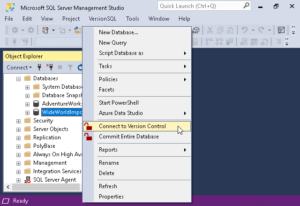
Version control for SQL code is a critical practice that allows database developers to track changes, manage codebase effectively, and collaborate seamlessly with team members.…
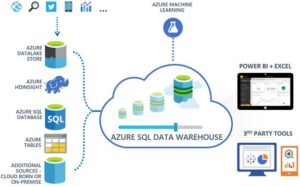
Integrating SQL with cloud data warehouses is essential for businesses looking to efficiently manage and analyze large volumes of data stored in the cloud. By…

Using PowerShell to automate SQL tasks is a powerful way to streamline and simplify your database management processes. By leveraging the scripting capabilities of PowerShell,…

Protecting Personal Data with Pseudonymization is a privacy-enhancing technique that involves replacing sensitive information with artificial identifiers, known as pseudonyms. By doing so, personal data…
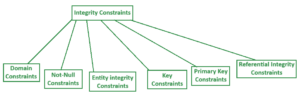
Ensuring data integrity with SQL constraints is essential for maintaining the accuracy and reliability of a database. SQL constraints are rules defined on a table…
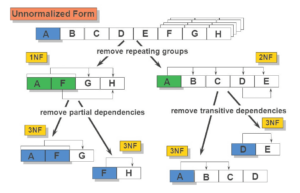
During the Extract, Transform, Load (ETL) process, normalizing data is crucial for ensuring consistency and accuracy. Normalization involves restructuring data to eliminate redundancy and ensure…
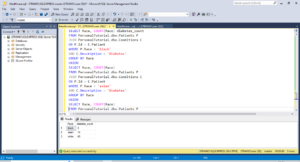
SQL (Structured Query Language) is a powerful tool used to manage and manipulate data in databases, making it an essential component in the healthcare industry…

Documenting SQL code is essential for maintaining clarity and understanding in database development. By adding comments and descriptions within the SQL code, programmers can effectively…
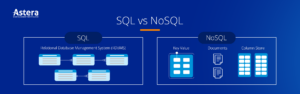
Integrating SQL with NoSQL databases has become a common practice in modern data management strategies. SQL databases have long been the go-to choice for structured…