
In database management, the WHERE clause is a powerful tool that allows users to filter data effectively based on specific conditions. By using WHERE, users…
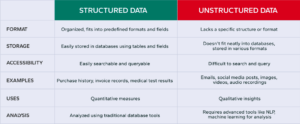
Analyzing Unstructured Data with SQL involves applying the powerful querying and analytical capabilities of SQL to data that does not have a predefined data model.…

Syntax differences across SQL databases refer to variations in the way each database system handles and interprets SQL queries. Different databases such as MySQL, PostgreSQL,…
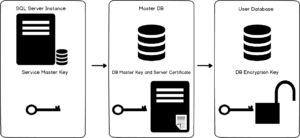
Data encryption and security in SQL databases are crucial aspects of safeguarding sensitive information. Encryption involves converting data into a secure format to prevent unauthorized…
SQL queries play a crucial role in Exploratory Data Analysis (EDA) for Artificial Intelligence applications. SQL, which stands for Structured Query Language, allows data scientists…
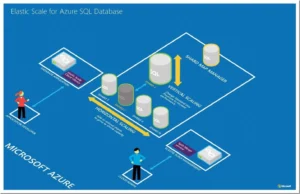
Scaling SQL databases in the cloud is a critical practice for organizations aiming to optimize performance and accommodate increasing workloads. By leveraging cloud infrastructure, businesses…
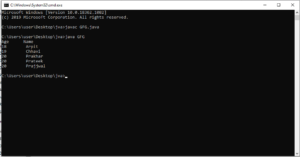
When working with web applications, using prepared statements is a crucial technique for interacting with databases securely and efficiently. Prepared statements allow developers to write…
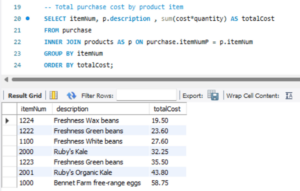
SQL, or Structured Query Language, is a powerful tool used for managing and manipulating data stored in databases. In the context of In-App Purchase Data…

ETL, which stands for Extract, Transform, and Load, is a process commonly used in data integration to collect, manipulate, and transfer data from various sources…

Project Management Database Design in SQL involves creating a structured and efficient database that stores and manages information related to project planning, tracking, and collaboration.…