
SQL, or Structured Query Language, is a powerful tool used in subscription service management to retrieve and manipulate data stored in databases. By using SQL…

Partitioning Strategies for Large Tables are essential for optimizing database performance and manageability. By dividing a large table into smaller, more manageable partitions based on…
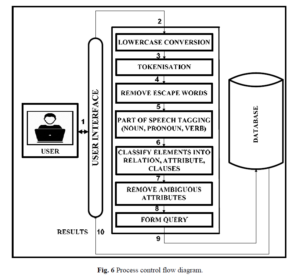
Using SQL with Natural Language Processing (NLP) allows for efficient analysis and retrieval of textual data stored in databases. By leveraging NLP techniques, users can…

Efficient use of JOINs is a critical component in optimizing database performance. JOINs allow data from multiple tables to be combined based on a related…

SQL (Structured Query Language) plays a crucial role in healthcare billing and invoicing by enabling efficient data management and retrieval within healthcare systems. In the…
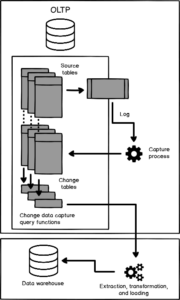
Implementing Change Data Capture (CDC) in SQL is a valuable technique used to track changes made to data in a database. By capturing these changes,…

SQL, or Structured Query Language, is a powerful tool used for managing and analyzing data in databases. When it comes to project budget tracking, SQL…
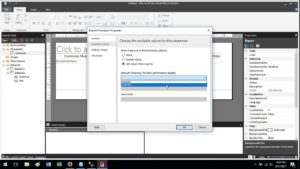
Creating parameterized reports in SQL is a powerful technique that allows users to customize and interact with reports by providing input parameters. By incorporating parameters,…

SQL (Structured Query Language) is a powerful tool used for managing and manipulating data in databases. In the context of Task Management Systems, SQL can…
Customer segmentation is a critical strategy that businesses utilize to divide their customer base into distinct groups based on shared characteristics or behaviors. By employing…