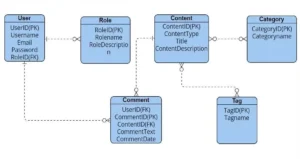
Database design is a crucial aspect of creating Content Management Systems (CMS) that effectively organize and manage digital content. It involves structuring databases to store,…
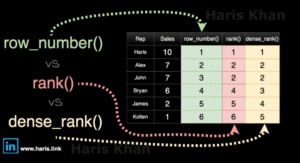
Understanding ROW_NUMBER(), RANK(), and DENSE_RANK() functions in SQL is essential for managing and analyzing data effectively. These functions are used to assign a unique ranking…
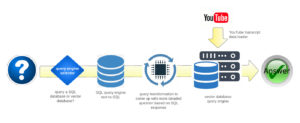
Querying Unstructured Data for AI with SQL involves using SQL queries to extract and analyze information from unstructured data sources such as text documents, images,…

Role-Based Access Control (RBAC) is a widely used method for managing access to databases in SQL to ensure data privacy and security. This approach assigns…

Database Shrinking is a process of reducing the physical size of a database file by removing unused or fragmented data, thereby optimizing storage space and…

Analyzing Customer Purchase Data with SQL involves utilizing structured query language to gather insights and draw conclusions from transactional information. By querying databases and applying…

Dynamic SQL in Stored Procedures allows for flexibility and customization in database queries, as it allows the SQL statements to be constructed and executed at…

Encrypting columns in SQL Server is a crucial step in enhancing security for sensitive data stored in databases. By encrypting individual columns, you can protect…
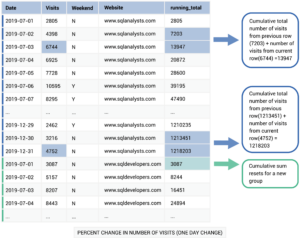
SQL (Structured Query Language) is a powerful tool used for managing and manipulating data in relational databases. When it comes to time-series reporting, SQL proves…
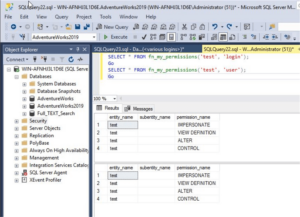
User Permission Management in Different SQL Platforms involves controlling access and privileges granted to users within a database environment. Each SQL platform, such as MySQL,…