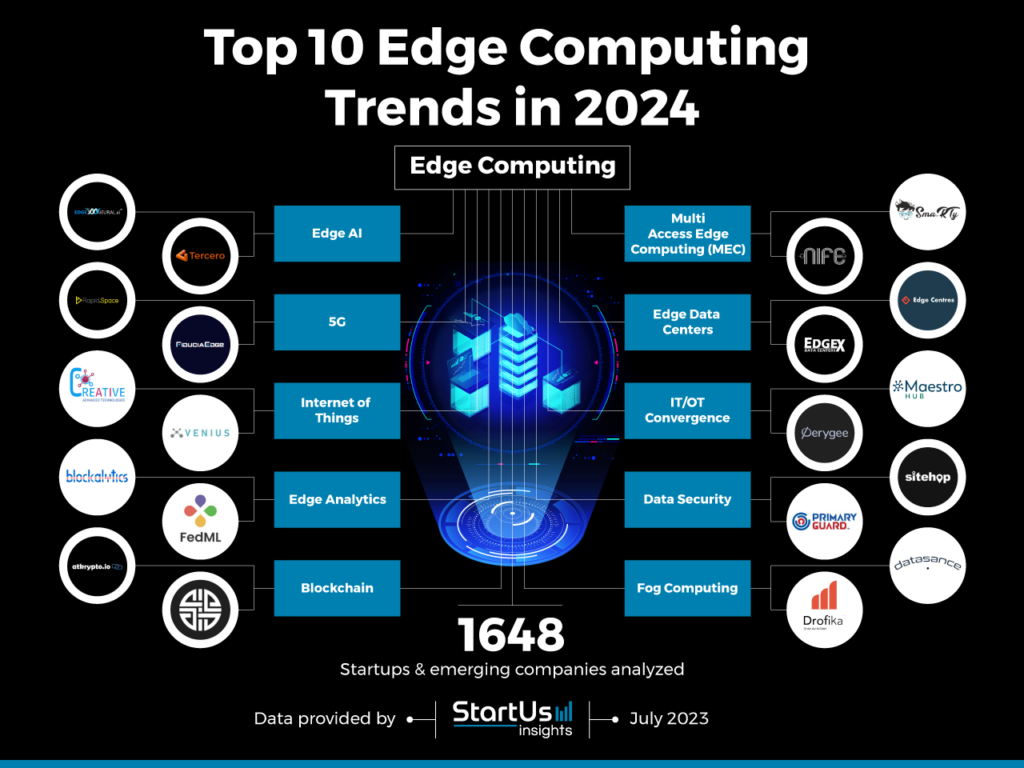
In the era of massive data generation and increasing connectivity, the convergence of Edge Computing and Big Data is poised to revolutionize the way we process and analyze information. Big Data, characterized by vast volumes of structured and unstructured data, holds immense potential for generating valuable insights and driving informed decision-making. As Edge Computing brings computing power closer to data sources, enabling real-time processing and analysis at the network edge, the synergy between these technologies presents a compelling vision for the future of data-driven innovation. This article explores the intersection of Edge Computing and Big Data, and its implications for unlocking new opportunities in diverse industries and shaping the data landscape of tomorrow.
Understanding Edge Computing
Edge computing refers to a distributed computing paradigm that brings computation closer to the data source or “edge” of the network. This proximity to data sources allows for faster processing and minimizes latency, which is increasing in importance as the volume of data generated continues to rise. With the increase of connected devices, also known as the Internet of Things (IoT), edge computing is becoming a critical component in managing data efficiently.
The Rise of Big Data
Big Data is characterized by the vast volume, velocity, and variety of data generated daily. Businesses and organizations worldwide are investing significantly in capturing and analyzing this information to gain insights, improve operations, and enhance customer experiences. However, as data continues to grow at an unprecedented rate, traditional data processing methods often fall short, leading to the growing demand for edge computing solutions.
Key Benefits of Edge Computing for Big Data
The integration of edge computing with Big Data analytics offers several key benefits:
1. Reduced Latency
By processing data closer to the source, edge computing can significantly reduce response times. Applications that require real-time processing, such as autonomous vehicles and smart manufacturing systems, benefit from reduced latency by enabling instant data analysis and decision-making.
2. Bandwidth Optimization
Sending vast amounts of data to centralized cloud servers for processing can strain internet bandwidth. Edge computing alleviates this issue by filtering and processing data locally, transferring only the most relevant information to the cloud. This optimized use of bandwidth is crucial as more devices connect to networks.
3. Enhanced Security and Privacy
With data breaches becoming more common, edge computing enhances security by processing sensitive information at the edge rather than sending it to a central location where it is more vulnerable. Local data processing can enforce stricter security protocols, resulting in a lower risk of data exposure.
Edge Computing Use Cases in Big Data
With its numerous advantages, edge computing has found applications in various industries. Here are some notable use cases:
1. Smart Cities
In the development of smart cities, edge computing can help manage traffic flow, monitor air quality, and enhance public safety through real-time analysis of data generated by sensors and cameras. This allows city planners to make data-driven decisions that improve urban living.
2. Healthcare
Healthcare providers increasingly use edge computing to process patient data from wearable devices and monitoring equipment. This enables real-time health monitoring, allowing for faster diagnosis and intervention. Additionally, sensitive data can be processed locally, ensuring compliance with privacy regulations.
3. Manufacturing and Industry 4.0
Manufacturers are leveraging edge computing in the context of Industry 4.0 to monitor equipment and control processes in real-time. This reduces downtime, enhances predictive maintenance, and increases overall productivity by allowing for immediate response based on live data.
Challenges Facing Edge Computing and Big Data Integration
Despite its potential, the convergence of edge computing and Big Data also faces several challenges:
1. Standardization
One of the biggest hurdles for the widespread adoption of edge computing is the lack of standardization across different devices and platforms. For effective integration, standardized protocols are needed to ensure interoperability between various systems and technologies.
2. Scalability
While edge computing enhances performance, scaling up edge solutions can be complex. Businesses must strike a balance between processing at the edge and ensuring they have enough computational power to handle larger data sets without compromising performance.
3. Data Management
The distributed nature of edge computing complicates data management. Organizations must implement effective strategies to ensure that data collected at the edge is securely transmitted to centralized systems for further analysis, storage, and compliance with data governance regulations.
The Future Landscape of Edge Computing and Big Data
The future of edge computing in the realm of Big Data looks promising. Here are some trends expected to shape this landscape:
1. Increased Adoption of AI and Machine Learning
As edge computing capabilities expand, the integration of AI and machine learning algorithms at the edge will enable automated data analysis and decision-making without the need for sending vast amounts of data to the cloud. This will enhance efficiency and speed across various applications.
2. Growth of 5G Technology
The rollout of 5G networks will significantly enhance edge computing applications by providing higher bandwidth and lower latency. This evolution will enable more devices to connect effectively, allowing for seamless data processing at the edge, further driving the demand for smart applications.
3. Multi-Access Edge Computing (MEC)
Multi-access edge computing is an emerging trend that involves computing resources at the edge of the network for various access technologies such as Wi-Fi, cellular, and fixed broadband. MEC facilitates a more robust environment for deploying applications and services that require real-time responsiveness.
4. Enhanced Data Privacy Regulations
As concerns over data privacy grow, regulations like the GDPR and CCPA are likely to push organizations towards edge computing solutions that ensure compliance through localized data processing. This trend will drive innovations aimed at enhancing privacy without compromising the quality of data insights.
5. Collaboration Across Industries
The fusion of edge computing and Big Data will encourage collaboration across different industries. For instance, technology companies, telecommunications firms, and service providers will need to work together to create ecosystems that enable the deployment of edge solutions tailored to specific business needs.
Conclusion
The future of edge computing and Big Data is intertwined, with the former enhancing the latter’s capabilities. As organizations continue to embrace these technologies, we can expect unprecedented advancements that reshape industries, improve operational efficiencies, and create intelligent solutions capable of managing the complexities of modern data landscapes.
The future of edge computing and big data presents a promising landscape for innovative solutions and enhanced data processing capabilities. By leveraging edge computing technologies to bring computation closer to data sources, organizations can streamline analysis, improve real-time decision-making, and maximize the potential of big data. Embracing this shift towards edge computing will be crucial in harnessing the full power of big data in a rapidly evolving digital ecosystem.
Related posts:
 The Five Vs of Big Data: Volume, Velocity, Variety, Veracity, and Value
 Introduction to Distributed Computing in Big Data
 Understanding Data Pipelines in Big Data
 What is Apache Hadoop? A Complete Guide
 Understanding Apache Spark: Features and Use Cases
 Introduction to NoSQL Databases for Big Data
 Understanding HBase: How it Works in the Hadoop Ecosystem
 The Intersection of Big Data and Artificial Intelligence
 Natural Language Processing (NLP) with Big Data
 How Big Data is Used in Deep Learning Applications
 Sentiment Analysis with Big Data and AI
 Real-Time AI and Big Data: How It Works
 The Impact of Big Data on Financial Services and Banking
 Big Data in E-commerce: Personalization and Customer Insights