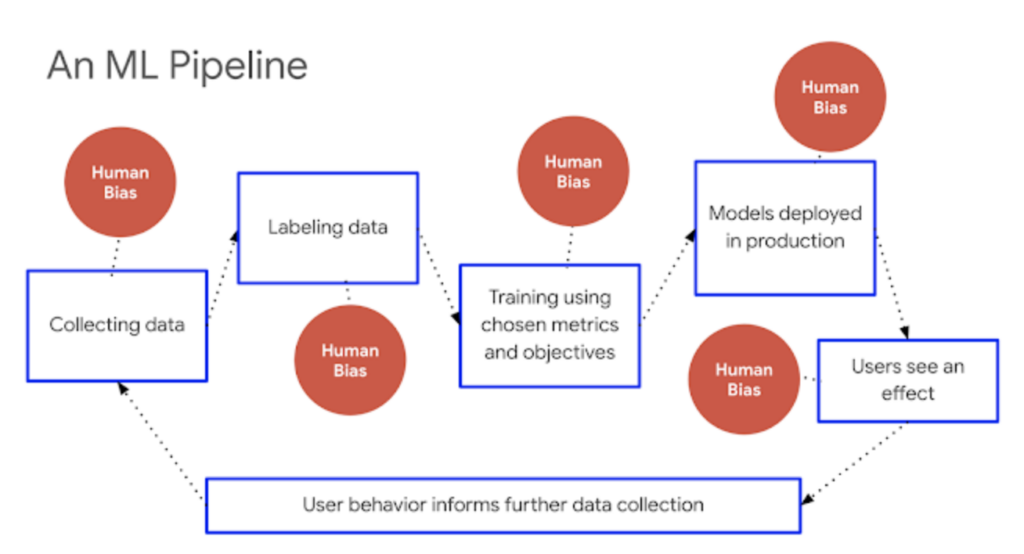
In the realm of Big Data analytics, the importance of fairness and bias detection in models cannot be overstated. As companies and organizations increasingly rely on data-driven decision-making processes, the potential for biases to creep into algorithms and models is a critical concern. These biases can result in discriminatory outcomes, perpetuate social inequalities, and undermine the trust and credibility of data-driven systems. Detecting and mitigating bias in Big Data models is essential to ensure that decisions are fair, transparent, and ethical. This article explores the significance of fairness and bias detection in Big Data models, highlighting the challenges and best practices for promoting diversity, equity, and inclusion in data analytics.
In today’s data-driven world, Big Data has become an indispensable component for businesses across various industries. While organizations leverage sophisticated algorithms and machine learning techniques to derive insights from vast amounts of data, there lies a critical aspect that often gets overlooked: the need for fairness and bias detection in these Big Data models.
Understanding Fairness in Big Data
Fairness in the context of big data refers to the principle of ensuring that models do not inadvertently favor or discriminate against certain groups based on sensitive attributes such as race, gender, age, and others. It aims to foster equality in decision-making processes that arise from the analysis of data.
In many applications, such as hiring algorithms, loan approval systems, and predictive policing tools, biases can manifest and lead to unfair outcomes. For instance, if a machine learning model is trained primarily on data that reflects historical biases, it may perpetuate and even exacerbate these biases in its predictions and decisions.
The Role of Bias Detection in Big Data Models
Bias detection is essential in identifying the latent prejudices that can exist in training datasets. This involves scrutinizing the data for signs of bias before training algorithms. Effective bias detection methods can help organizations recognize disparities and work towards correcting them before they lead to damaging consequences.
Methods for bias detection may include:
- Statistical Analysis: Evaluating the distribution of certain features in the data to assess whether they disproportionately favor one group over another.
- Adversarial Training: Using algorithms to create adversarial examples that challenge the model’s decision-making and highlight biases.
- Fairness Metrics: Implementing quantitative metrics that help evaluate the fairness of the model outcomes, such as equal opportunity or demographic parity.
Why Fairness and Bias Detection Matter
The implications of bias within big data models can be severe:
- Legal Repercussions: Companies face increased scrutiny and potential lawsuits if their algorithms lead to discriminatory practices.
- Reputation Damage: Stakeholders and customers are more conscious of ethical practices. Bias in models can severely damage a company’s public image.
- Operational Inefficiencies: Biased decision-making can result in suboptimal outcomes, causing organizations to miss key opportunities and overlook qualified candidates or prospects.
Challenges in Achieving Fairness
Despite the clear necessity for fairness, several challenges impede its achievement:
- Data Quality: In many cases, datasets are imperfect, incomplete, or unrepresentative, making it difficult to ensure that all relevant groups are fairly represented.
- Complexity of Models: The more complex an algorithm, the harder it becomes to interpret its decision-making process and identify potential biases.
- Trade-offs Between Accuracy and Fairness: Enhancing fairness might sometimes lead to decreased accuracy. Achieving the right balance between these two aspects remains a fundamental challenge.
Best Practices for Ensuring Fairness and Reducing Bias
Organizations can adopt several best practices to bolster fairness and minimize bias within their Big Data models:
1. Diverse Data Collection
Ensure that the data collected is representative of the population impacted by the decisions made by machine learning models. Strive for diversity in data inputs to paint a fuller picture of all potential users and avoid missing crucial segments of the population.
2. Regular Audits
Conduct regular audits and assessments of your Big Data models to identify and rectify any biases that may have formed over time. This proactive approach can help in maintaining the integrity of your decision-making algorithms.
3. Stakeholder Engagement
Involve a diverse group of stakeholders, including ethicists and community representatives, in the data model development process. Their insights can foster a more comprehensive understanding of fairness and help identify blind spots.
4. Continuous Monitoring
Implementing continuous monitoring systems can help catch issues in real-time. By regularly evaluating model performance against fairness metrics, organizations can swiftly act on any emerging biases.
Legal and Ethical Considerations
As awareness of bias in big data increases, so do legal requirements across various jurisdictions. Laws such as the General Data Protection Regulation (GDPR) in Europe have specific guidelines and principles that companies must adhere to, focusing on the ethical handling of data. Organizations must ensure compliance with legal standards while taking ethical considerations into account to build trust with consumers.
Case Studies Illustrating the Impact of Bias Detection
1. Hiring Algorithms
A well-known case involved a hiring algorithm that favored male candidates over female candidates due to the imbalanced data it was trained on. After identifying this bias, the company implemented bias-detection frameworks, resulting in a revamped algorithm that led to improved hiring diversity and retention.
2. Loan Approval Processes
In another instance, a major financial institution used a model for approving loans, which inadvertently discriminated against minority groups. After conducting bias detection assessments and adjusting the underlying data, the institution was able to reduce bias and improve access to credit for underrepresented groups, leading to better customer relations and compliance with fair lending regulations.
Future of Bias Detection and Fairness in Big Data
The field of fairness and bias detection is rapidly evolving, with researchers and practitioners developing more sophisticated techniques and frameworks. Innovations in explainable AI (XAI), for instance, are revealing new insights into how models make decisions, potentially mitigating bias and enhancing fairness in real time.
Furthermore, as regulatory standards tighten, the demand for transparent and fair algorithms in Big Data analyses will only grow. Organizations that prioritize fairness and bias detection will not only comply with legal requirements but also shape a more equitable future for technology.
Ultimately, ensuring fairness and detecting bias in Big Data models is not just an ethical obligation; it is essential for fostering trust, promoting transparency, and enhancing operational efficacy in a modern data-driven landscape.
In the rapidly evolving world of Big Data, prioritizing fairness and bias detection in models is paramount to ensure accuracy, transparency, and ethical decision-making. By actively addressing these concerns, we can foster trust in data-driven systems, promote inclusivity, and ultimately create more reliable and equitable outcomes for all individuals. It is imperative that organizations embrace fairness and bias detection as core principles in their Big Data practices to drive meaningful progress and drive towards a more just society.
Related posts:
 How Big Data is Used in Deep Learning Applications
 The Role of Python in Big Data Visualization
 How to Perform Large-Scale Data Labeling for AI Models
 How to Implement Near Real-Time Analytics in Big Data
 How to Implement AutoML for Big Data Analytics
 The Importance of Explainable AI (XAI) in Big Data Models
 How to Use IBM Cloud for Big Data Solutions
 How to Perform Large-Scale Time Series Forecasting with Big Data
 The Future of AI-Powered Data Wrangling for Big Data Scientists
 The Future of Generalized Zero-Shot Learning for Big Data AI Models
 How to Use Vector Search for Scalable AI-Powered Recommendations
 The Future of Low-Code AI Tools in Big Data Model Development
 The Future of Automated Data Engineering with AI-Driven Pipelines
 How to Perform Large-Scale Variational Inference on Streaming Data