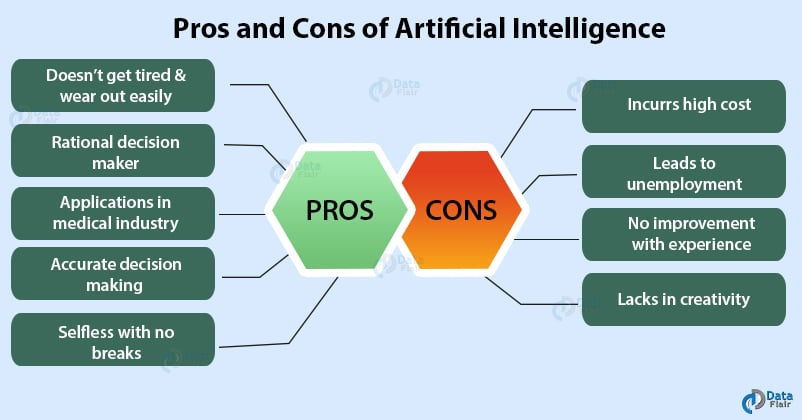
While artificial intelligence (AI) offers numerous benefits and advancements, there are also several potential drawbacks and negative aspects associated with its development and deployment. From concerns about job displacement due to automation to ethical dilemmas surrounding data privacy and algorithm bias, the negative impacts of AI raise important questions about how we should responsibly and ethically integrate this technology into our society. Beyond these socio-economic and ethical considerations, issues such as AI’s potential to reinforce inequality, its susceptibility to malicious use, and the challenges of accountability and transparency in AI decision-making processes underscore the need for careful and thoughtful consideration of the risks and limitations of AI systems. By critically examining these negatives, we can strive to harness the benefits of AI while mitigating its potential harms.
Artificial Intelligence (AI) has undoubtedly revolutionized various aspects of our lives, ranging from advanced virtual assistants to self-driving cars. However, like any emerging technology, AI also brings along some negative aspects that should be taken into consideration. While AI has the potential to transform industries and make our lives easier, it is essential to analyze the consequences it may have on society, privacy, and employment. This article explores some of the downsides of AI, shedding light on the potential challenges and issues that need to be addressed.
1. Job Displacement
One of the significant concerns associated with AI is the potential displacement of human workers. As AI systems become more advanced and capable of performing complex tasks, there is a risk that certain job roles may become obsolete. Industries such as manufacturing, transportation, and customer service are particularly vulnerable to this issue. While AI may create new job opportunities, retraining and upskilling workers to adapt to these new roles poses a significant challenge.
To mitigate this negative impact, governments and organizations need to invest heavily in education and training programs that equip individuals with the skills required in the AI-driven job market. Encouraging a more collaborative approach between humans and AI systems can also help create a hybrid workforce that leverages the strengths of both human intelligence and machine intelligence.
2. Data Privacy and Security
As AI relies heavily on data, privacy and security concerns naturally arise. The collection and analysis of massive amounts of personal data can potentially lead to privacy breaches or unauthorized access to sensitive information. Moreover, AI algorithms learn from data, often perpetuating biases present in the datasets they are trained on. This can result in discrimination or unfair practices, especially when decisions are made based on AI recommendations.
Addressing these concerns requires setting strict regulations and guidelines for data collection, storage, and usage. Implementing transparency and accountability measures can help mitigate bias and ensure that decisions made by AI systems are fair and unbiased. Organizations must adopt robust data protection mechanisms and regularly audit their AI systems to maintain trust and protect user privacy.
3. Ethical Dilemmas
AI systems, if not designed and implemented carefully, can present ethical dilemmas. For instance, self-driving cars equipped with AI technology must navigate through complex scenarios where moral choices need to be made. In cases where an accident is unavoidable, it begs the question of how an AI system should prioritize the safety of the passengers, the pedestrians, or people in other vehicles.
Additionally, AI-powered surveillance systems raise concerns about privacy and civil liberties. Balancing the benefits these systems offer in terms of security and crime prevention with the potential risks they pose to personal freedom is a challenge that needs careful consideration and public debate.
4. Lack of Human Touch
While AI systems can automate tasks and provide efficiency, they often lack the human touch that is essential in certain professions and industries. For example, healthcare professionals rely on empathy and emotional intelligence when dealing with patients. AI might not be capable of replicating these human qualities, potentially leading to a decrease in the quality of care and human interaction.
Therefore, it is crucial to evaluate the appropriateness of utilizing AI in different contexts. Striking a balance between automation and human involvement is necessary to ensure that AI complements human abilities rather than replaces them entirely.
5. Dependence on Technology
As AI becomes more integrated into our daily lives, there is a growing dependence on technology. This reliance can make us vulnerable to system failures, glitches, or cyber attacks. Any disruption in AI systems can have far-reaching consequences, especially in critical areas such as healthcare or transportation.
Building robust backup systems and establishing contingency plans can mitigate the risks associated with AI system failures. Additionally, creating awareness among users about the limitations and vulnerabilities of AI can help in managing expectations and ensuring preparedness for any potential issues.
While AI offers immense potential and countless benefits, it is crucial to acknowledge its drawbacks and work towards mitigating them. By fostering an environment that encourages responsible development and deployment of AI technologies, we can harness the power of AI while minimizing its negative impact. Addressing concerns related to job displacement, data privacy, ethics, human touch, and technology dependence will pave the way for a more balanced and sustainable integration of AI into our society.
Related posts:
 What is Artificial Intelligence with Examples?
 What are 4 Types of Artificial Intelligence?
 What is AI used in today?
 Is ChatGPT an AI?
 Is Siri an AI?
 Who created AI?
 Why Do We Need AI?
 Is Google Maps an AI?
 Is Zoom an AI?
 Who owns ChatGPT?
 Can I do my own AI?
 How to Use Google AI: A Comprehensive Guide
 Is ChatGPT better than Siri?
 Who Made ChatGPT?