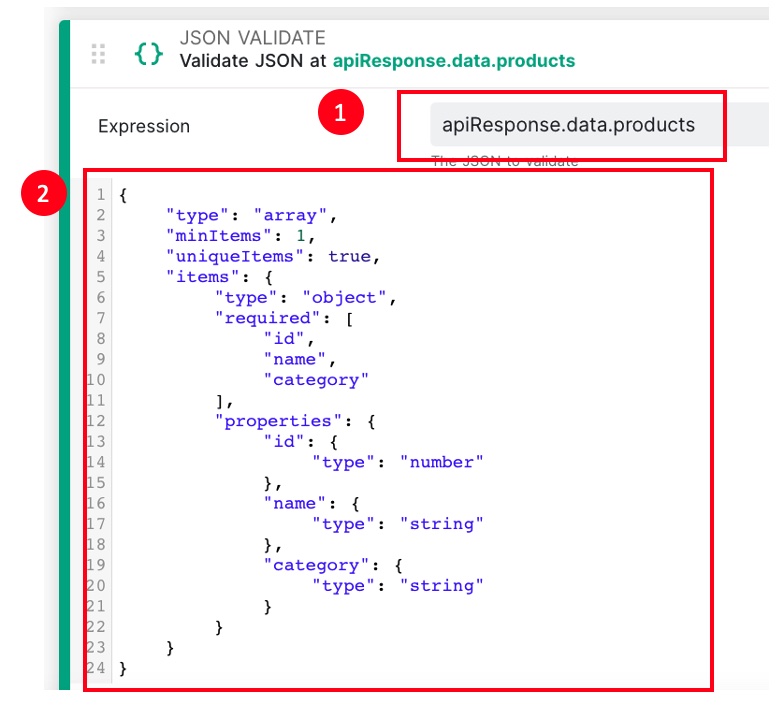
API Schema Validation is the process of verifying that the data sent and received through an API conforms to a specific schema or structure defined by the API documentation. This ensures that the data is structured correctly, follows the expected format, and meets the requirements set by the API.
API Schema Validation is important in APIs & Web Services as it helps in maintaining data integrity, ensuring interoperability between different systems, and enhancing the overall reliability of the API. By validating incoming and outgoing data against a predefined schema, issues such as data corruption, data loss, and communication errors can be detected and resolved early in the development process. This helps in preventing potential errors, improving the efficiency of data processing, and providing a better experience for API consumers.
In the world of APIs (Application Programming Interfaces) and Web Services, maintaining the integrity and correctness of data structures is essential. One technique that aids in this endeavor is API schema validation. This article delves into the essence of API schema validation, its advantages, and why it plays a crucial role in reliable and efficient software development.
Understanding API Schema Validation
API schema validation refers to the process of checking if the data sent to or received from an API aligns with a predefined format or structure. APIs often exchange data in formats like JSON or XML, and to ensure that this data is consistent and adheres to the anticipated rules, schema validation comes into play.
At its core, an API schema defines how data should be structured. This includes specifications about the data types (e.g., string, integer), required fields, optional fields, array formats, and even nested structures for complex data. Validation ensures that the data adheres to these specifications before it’s processed or stored.
Types of API Schemas
Several schemas can be used for API validation, including:
- OpenAPI Schema: Formerly known as Swagger, OpenAPI Specification provides a standard for describing RESTful APIs. It facilitates understanding and enables tools to validate API requests and responses.
- JSON Schema: This is a powerful tool for validating the structure of JSON data. It defines how JSON data should be organized and provides mechanisms to assess compliance.
- XML Schema: Used alongside XML data formats, XML Schema Definition (XSD) specifies the structure and data types for XML documents. It plays a vital role in validating XML data integration.
Key Benefits of API Schema Validation
1. Ensures Data Integrity
One of the foremost advantages of API schema validation is that it ensures data integrity. By validating incoming and outgoing data, developers can verify that only data conforming to the expected schema is processed. This minimizes the risk of corrupting databases with malformed or incorrect data.
2. Enhances Error Handling
Schema validation contributes to better error handling and reporting. When a request fails validation, developers can quickly identify the source of the problem instead of wading through layers of application logic. Clear error messages can guide clients toward making the necessary corrections.
3. Improves API Documentation
An effectively defined API schema serves as a robust source of documentation. When schemas are validated, it ensures that the API consumer clearly understands how to interact with the API without ambiguity. Good documentation reduces the learning curve and enhances user experience.
4. Fosters Collaboration
Teams that work with APIs—whether developers, testers, or product managers—benefit from a shared understanding of the schema. This unified approach minimizes miscommunication and helps align efforts during the development and testing phases.
5. Reduces Development Time
By integrating schema validation early in the API development lifecycle, organizations can identify and resolve issues before they escalate. This proactive approach ultimately reduces the time and resources spent debugging and refactoring code later in the project.
6. Enables Better API Gateway Integration
Many organizations leverage API gateways as a layer for security, monitoring, and management. Schema validation can be a part of these gateways, allowing them to intercept requests and responses before they reach the underlying services. This ensures that only valid data is processed further down the line.
How to Implement API Schema Validation
Implementing API schema validation involves several steps:
1. Define Your Schema
Choose the right schema format (OpenAPI, JSON Schema, XML Schema) based on your API. Clearly specify the data types, required fields, and nested structures. Take the time to ensure everything is detailed and comprehensive.
2. Integrate Validation Libraries
Utilize existing libraries and tools that can facilitate schema validation. For instance, libraries like Ajv for JSON Schema or Swagger-parser for OpenAPI provide robust functionalities to check for compliance.
3. Validate Requests and Responses
When APIs receive requests or send out responses, implement a validation layer. This layer should validate incoming JSON or XML data against the predefined schema and reject non-compliant requests.
4. Create Comprehensive Error Handling
Ensure that your application can gracefully handle validation errors. Provide meaningful error messages that guide users on how to correct their requests.
5. Continuously Update and Maintain Your Schemas
APIs evolve, and so should their schemas. Regularly review and update your schemas whenever the structure of your API changes. Keeping them in sync ensures ongoing compliance and reduces future headaches.
Common Challenges in API Schema Validation
While API schema validation offers numerous benefits, it does come with its share of challenges:
1. Complexity of Data Structures
As API data structures become increasingly complex, defining schemas that cover all edge cases can be daunting. A rigorous understanding of domain requirements is crucial for effective schema creation.
2. Performance Overhead
Schema validation can introduce performance overhead, particularly if it is not optimized. Balancing the need for thorough validation with the desire for fast processing is essential, especially in high-traffic environments.
3. Tolerance for Change
Changes in the API may lead to mismatches between the client and server schemas. It’s essential to institute a versioning strategy and deprecation policies to manage existing clients effectively while promoting new schemas.
Conclusion
In summary, API schema validation is a critical practice in software development that promotes data integrity, enhances collaboration among teams, and simplifies error handling. By ensuring that API requests and responses adhere to defined specifications, organizations can deliver more reliable APIs. As they evolve, maintaining and updating schemas will be just as essential for successful API management.
API schema validation is vital for ensuring the accurate and efficient exchange of data between different systems or applications through APIs. By defining the structure and format of API requests and responses, schema validation helps prevent errors, enhance data integrity, and facilitate seamless integration across diverse platforms. Ultimately, adhering to established API schemas leads to improved reliability, scalability, and overall performance of API-based services.
Related posts:
 How to Implement API Response Caching with Varnish
 How to Build a Headless CMS API with Strapi
 How to Use the Notion API for Task Management Automation
 How to Use the OpenWeather API for Real-Time Air Quality Monitoring
 How to Build an API That Supports WebRTC for Live Video Calls
 How to Use the NASA API for Space Data Integration
 How to Implement API Access Management with OAuth Scopes
 How to Use the Notion API to Automate Project Management
 How to Implement API Request Prioritization with Queues
 How to Build an API That Supports Biometric Authentication
 How to Use the Peloton API for Home Workout Tracking
 How to Implement API Connection Pooling for Database Efficiency
 How to Implement Dynamic API Routing for Multi-Tenant Applications
 How to Use the Airbnb API for Vacation Rental Automation