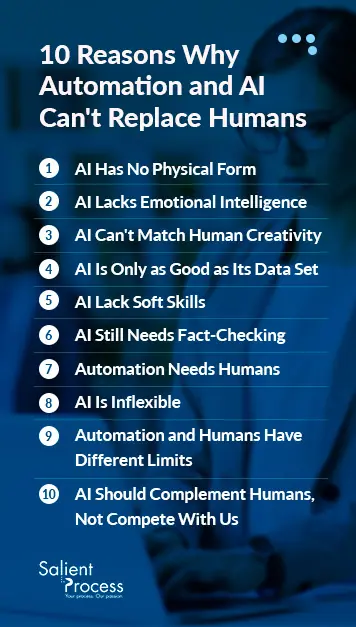
When interacting with AI technology, it is vital to be mindful of the questions we pose. It is important to avoid asking AI sensitive personal information, questions that promote unethical behavior, and queries that may result in biased or harmful outcomes. By understanding what not to ask AI, we can ensure responsible and respectful engagement with this powerful tool.
Artificial Intelligence (AI) has become an integral part of our lives, revolutionizing various industries and simplifying tasks. With advancements in AI technology, people are increasingly relying on AI-powered assistants for various purposes. However, it is important to remember that AI systems have limitations, and there are certain things you should avoid asking them. In this article, we will explore what not to ask AI and why.
1. Personal or Sensitive Information
When interacting with AI systems, it’s crucial to be cautious about sharing personal or sensitive information. While AI technologies are designed to collect and process data, it’s important to note that privacy concerns are still prevalent. Avoid asking AI systems for your social security number, credit card details, or any other personal identification information that could potentially compromise your privacy and security.
2. Medical or Legal Advice
AI assistants can provide general information, but they are not a substitute for professional advice. Asking AI for medical or legal advice can be misleading and may not provide accurate or reliable information. Health-related questions should be addressed to a medical professional, and legal inquiries should be directed to a qualified lawyer.
3. Predictions about Personal Matters
AI systems can analyze vast amounts of data to make predictions, but when it comes to personal matters, they may not have the necessary context or understanding. Avoid asking AI about personal relationship predictions, career advice, or any other matters that require a deeper understanding of your unique circumstances. It’s best to rely on human intuition and expertise when making important decisions.
4. Philosophical or Moral Questions
AI systems are designed to process information and provide logical analysis. However, when it comes to philosophical or moral questions, AI may not be capable of offering meaningful insights. Questions about the meaning of life, ethical dilemmas, or personal beliefs are better suited for human contemplation and discussion.
5. Personal Opinions or Preferences
While AI assistants can learn from your interactions and preferences, they do not possess personal opinions or preferences of their own. Asking AI for personal opinions on movies, books, or other matters that require subjective judgment may result in generic or inaccurate responses. For such inquiries, it’s best to consult friends, family, or trusted review platforms.
6. Complicated or Open-Ended Questions
AI systems excel at providing precise and accurate information to specific queries. However, when asked complicated or open-ended questions, AI may provide incomplete or irrelevant answers. To get the most out of AI systems, ensure that your questions are well-defined and specific. This will increase the chances of receiving accurate and helpful responses.
7. Abusive or Offensive Language
Respectful and appropriate communication is essential when interacting with AI systems. Using abusive or offensive language not only goes against ethical guidelines but may also result in inappropriate responses or misinterpretations from the AI. Treat AI systems with the same courtesy you would show to any person, and maintain a respectful tone throughout your interaction.
While AI has made remarkable advancements, it’s important to understand its limitations. Avoid asking AI for personal or sensitive information, medical or legal advice, predictions about personal matters, philosophical or moral insights, personal opinions or preferences, complicated or open-ended questions, and using abusive or offensive language. Utilize AI as a tool for specific tasks and consult human professionals for matters requiring expertise, intuition, or subjective judgment.
By being aware of these limitations and utilizing AI technology responsibly, you can maximize its benefits while minimizing potential risks. Remember, AI is a powerful tool, but it is no match for human judgment and understanding.
Related posts:
 What are 4 Types of Artificial Intelligence?
 What is AI used in today?
 Is ChatGPT an AI?
 Who created AI?
 Why Do We Need AI?
 Is Google Maps an AI?
 Who owns ChatGPT?
 Can I do my own AI?
 How to Use Google AI: A Comprehensive Guide
 Is ChatGPT better than Siri?
 Who Made ChatGPT?
 What is AI in simple words?
 Can AI have their own thoughts?
 Can AI Replace Human Thinking?