When it comes to comparing C# and Python, many developers may wonder which is easier to learn and work with. Python is often praised for its simplicity and readability, making it a popular choice for beginners. Its straightforward syntax and dynamic typing can make it easier to grasp for those new to programming.
On the other hand, C# is known for its strong typing and object-oriented structure, which can offer a more structured approach to programming. While C# may have a steeper learning curve compared to Python, its similarities to other languages like Java can be beneficial for those transitioning from other programming languages. Ultimately, the perceived ease of learning C# or Python may vary depending on an individual’s background and familiarity with programming concepts.
When it comes to choosing a programming language, beginners often find themselves wondering which one would be easier to learn. Two popular options that often come up in this debate are C# and Python. Both languages have their own strengths and use cases, but when it comes to ease of learning, which one takes the cake? In this article, we will explore the features, syntax, and learning curve of both C# and Python to determine which language might be more suitable for beginners.
1. Syntax Simplicity
One of the first things beginners notice when diving into a programming language is its syntax. C# follows a more traditional syntax structure, similar to the C family of languages. It uses curly braces and semicolons to define blocks of code, making it more verbose. On the other hand, Python has a more readable and minimalist syntax. It uses indentation to denote code blocks, which can be more intuitive for beginners.
For beginners looking for a simpler and less error-prone syntax, Python may be the way to go.
2. Learning Curve
The learning curve for a programming language can vary depending on individual preferences and prior experience. C# is a statically typed language, which means it requires explicit type declarations for variables. This can be intimidating for beginners as it demands a clear understanding of data types. On the other hand, Python is dynamically typed, allowing variables to be declared without specifying their types explicitly. This flexibility can help beginners focus more on the logic of their programs.
Moreover, the vast amount of Python resources available online, such as tutorials, documentation, and active communities, makes it relatively easier for beginners to find support and help.
3. Integrated Development Environment (IDE)
3.1 C#
When it comes to IDEs for C#, Microsoft Visual Studio stands out as the most popular and feature-rich choice. Visual Studio provides a wide range of tools, debugging capabilities, and plugins to enhance the development experience. However, its extensive features and learning curve can be overwhelming for beginners.
3.2 Python
For Python, the most commonly used IDE is PyCharm. PyCharm offers a powerful coding environment with features like auto-completion, debugging, and code navigation. It also has a user-friendly interface, making it easier for beginners to navigate and understand.
Overall, both C# and Python have robust IDEs, but Python‘s simplicity and user-friendly interfaces can be more beginner-friendly.
4. Industry Demand and Job Opportunities
While learning a programming language, it is important to consider the industry demand and job opportunities that come with it. C# is predominantly used in the development of Windows applications, game development with Unity, and backend development with ASP.NET. This makes C# a valuable skill in domains such as enterprise software development and gaming.
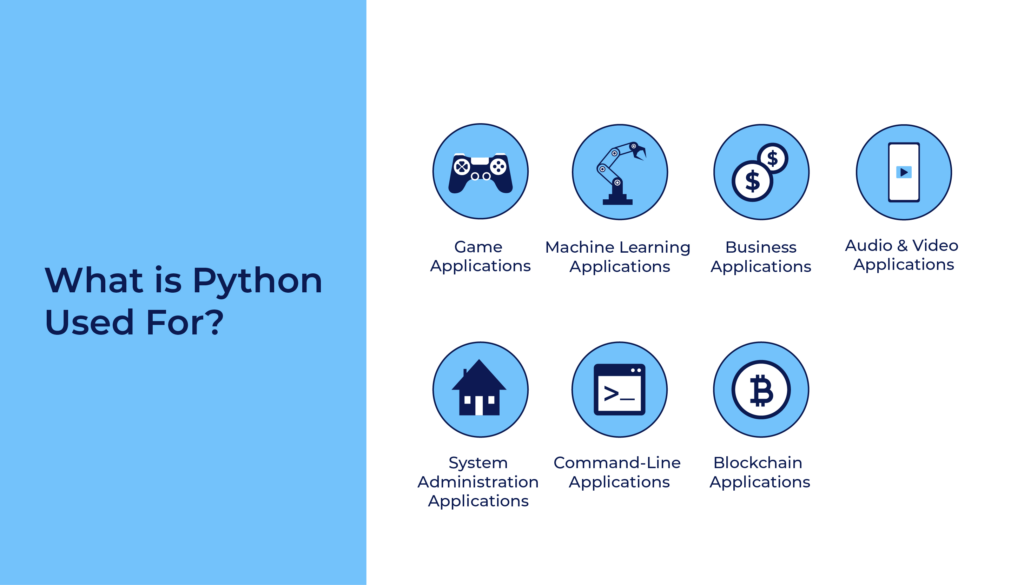
Python, on the other hand, has gained popularity due to its versatility. It is widely used in web development, data analysis, machine learning, and automation. The demand for Python developers has been on the rise due to its applications in various sectors, including finance, AI, and scientific research.
Considering the diversity of applications, Python provides a wider range of job opportunities for beginners.
5. Community and Support
Building a strong foundation and continually learning is crucial for beginners in programming. The Python community is known for its friendliness and extensive support. The language itself is open-source, allowing a vast number of developers to contribute to its growth and improvement. There are numerous forums, documentation, and online communities where beginners can seek help and guidance.
While C# also has an active community, it might not be as extensive as the Python community. Nevertheless, the strong ties to Microsoft ensure that C# receives regular updates and support.
In conclusion, both C# and Python have their own advantages and areas of application. When it comes to learning curve and ease of use, Python stands out with its minimalist syntax and strong community support. However, the choice between the two ultimately depends on individual preferences and career goals. Beginners interested in Windows applications, game development, or enterprise software might find C# more suitable. On the other hand, those interested in web development, data analysis, and machine learning may want to start their programming journey with Python. Ultimately, the best approach is to get hands-on experience with both languages and choose the one that aligns with your interests and career aspirations.
Whether C# or Python is easier ultimately depends on the individual’s experience, preferences, and project requirements. Both languages have their own strengths and weaknesses, making them suitable for different programming tasks. It is recommended to try learning and working with both languages to determine which one suits you best.
Related posts:
 Is C# better than Python?
 Is C# faster than Python?
 Is C# closer to Java or C++?
 Why C# over JavaScript?
 Is C# still relevant in 2024?
 Should I learn C# after C?
 Should I learn ASP.NET or C#?
 Can you build websites with C#?
 What is C vs C# vs C++?
 Should I learn C or C#?
 What is C# mostly used for?
 Is C# used for frontend or backend?
 What is C# best at?
 Is C# strong or weak typing?