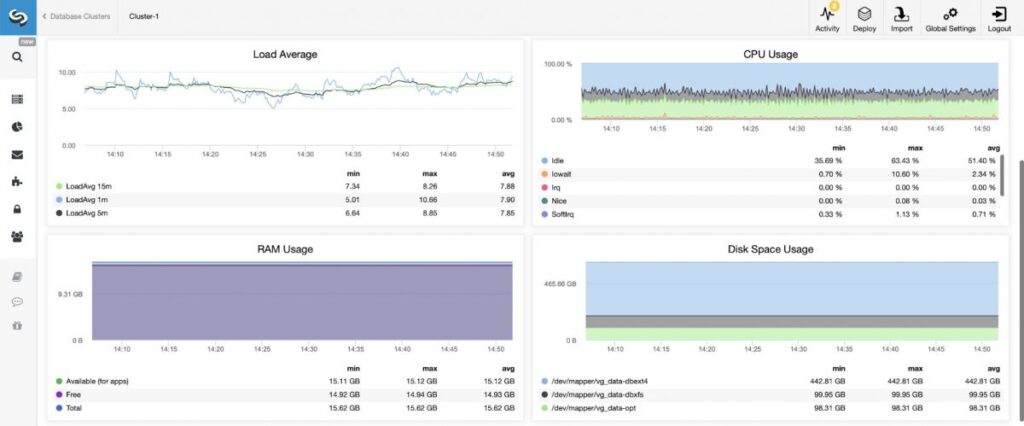
In the realm of Big Data, the use of time series databases has become increasingly prevalent, providing organizations with the capability to efficiently store and analyze vast amounts of time-stamped data in real-time. Time series databases are specifically designed to handle data points that are associated with a timestamp, making them essential for applications such as IoT devices, financial trading, and monitoring systems. This introduction will explore the fundamentals of time series databases within the context of Big Data, highlighting their importance, functionalities, and benefits for organizations dealing with massive volumes of time-sensitive data.
What are Time Series Databases?
A Time Series Database (TSDB) is a specialized database optimized for handling time-stamped or time-series data. In the world of Big Data, the ability to efficiently store and query vast amounts of time-series data is of growing importance. Organizations across various industries are increasingly reliant on time series data for applications such as monitoring, logging, and analytics.
The Importance of Time Series Data in Big Data
Time series data is uniquely defined by its chronological order, allowing organizations to identify trends, patterns, and anomalies over time. In the context of Big Data, time series data becomes crucial for:
- Monitoring: Systems like IoT devices generate real-time data that need continuous monitoring.
- Predictive Analytics: Organizations can forecast future trends using historical time series data.
- Event Management: Time series data is vital for incident detection and resolution in IT systems.
Key Characteristics of Time Series Databases
To cater to time-series data efficiently, time series databases are designed with specific characteristics:
- High Write Throughput: TSDBs must handle high volumes of writes as data points are continuously generated.
- Efficient Data Compression: Due to the large volume of data, effective compression algorithms are essential to minimize storage costs.
- Time-Based Queries: TSDBs provide optimized querying capabilities for time-based data, allowing users to extract insights quickly.
- Data Retention Policies: TSDBs often include automatic data retention features, allowing old data points to be aggregated or deleted over time.
Popular Time Series Databases
Several time series databases have been developed to cater to the specific needs of Big Data applications. Below are some of the most popular TSDBs:
1. InfluxDB
InfluxDB is one of the most widely used open-source time series databases. It offers high write and query performance, making it ideal for handling a large volume of time-stamped data. It features a SQL-like query language called InfluxQL and can easily integrate with various data visualization tools.
2. TimescaleDB
TimescaleDB is built on PostgreSQL, which allows users to leverage both relational and time series data capabilities. It supports complex queries and combines the functionalities of a traditional relational database with the needs of time series data analytics, making it suitable for applications requiring advanced analytical capabilities.
3. Prometheus
Prometheus is a robust monitoring system and time series database that is particularly popular in cloud-native environments. It excels at collecting real-time metrics and provides an excellent query language for monitoring and alerting.
4. OpenTSDB
OpenTSDB is designed to store, index, and serve large amounts of time series data on top of a distributed storage system, typically HBase. It is particularly suitable for monitoring large-scale systems and provides a powerful query language for data retrieval.
Use Cases of Time Series Databases
Time series databases are utilized in various applications due to their unique capabilities:
1. IoT Applications
The Internet of Things (IoT) generates massive amounts of time series data from sensors and devices. TSDBs can efficiently collect and analyze this data to monitor device performance, detect anomalies, and provide insights for predictive maintenance.
2. Financial Services
In the finance industry, time series data such as stock prices, trading volumes, and market indicators are crucial for analysis. Time series databases allow analysts to conduct real-time analysis, backtesting strategies, and develop trading algorithms based on historical trends.
3. Network Monitoring
Companies rely heavily on real-time network performance monitoring through time series data. TSDBs help in tracking bandwidth usage, latency, and other critical metrics that ensure optimal performance and reliability of the network.
4. Energy Sector
In the energy sector, time series databases are used to monitor energy consumption, renewable energy generation, and grid performance. This data helps in optimizing energy distribution and balancing supply and demand.
Common Challenges with Time Series Databases
Despite their advantages, using time series databases also presents several challenges that organizations need to address:
1. Scalability
As data generation increases exponentially, scaling a time series database without compromising performance is vital. Organizations need to plan for horizontal scaling to accommodate growth.
2. Data Management
Efficiently managing a vast amount of time series data can be challenging, especially regarding data retention, aggregation, and indexing. Proper configuration is crucial for maintaining performance.
3. Complexity of Queries
With increasing data complexity, formulating optimized queries may require advanced knowledge. Users may need training to leverage the full capabilities of a TSDB effectively.
Best Practices for Using Time Series Databases
Here are some best practices to consider when utilizing time series databases:
1. Schema Design
Designing the schema is critical in TSDBs. Use proper tagging and metadata to ensure efficient querying and indexing. A well-planned schema can significantly improve query performance.
2. Data Partitioning
Implementing data partitioning strategies based on time intervals can help manage data efficiently and improve query performance. It allows for easier data retrieval and processing over specific time ranges.
3. Regular Maintenance
Periodic maintenance of the time series database, including compacting and optimizing data files, is essential for ensuring sustained performance. Having a clear data retention policy can aid in managing older data effectively.
4. Monitor Performance
Utilize monitoring tools to track the performance of your time series database continually. Identifying bottlenecks and taking corrective actions promptly can prevent major disruptions.
Selecting the Right Time Series Database
When choosing a time series database, consider the following criteria:
- Data Volume: Assess your data generation rates and choose a TSDB that can handle your specific requirements.
- Query Performance: Select a database that supports the types of queries you need to perform efficiently.
- Integration Capabilities: Ensure the database can integrate easily with your existing data pipelines and analytical tools.
- Community and Support: Opt for a TSDB that has a strong community and support ecosystem to help during implementation and troubleshooting.
The Future of Time Series Databases
As businesses continue to embrace Big Data and the Internet of Things, the demand for efficient time series databases will only grow. Innovations in data storage, processing, and analytics technologies will drive advancements in TSDB performance, scalability, and usability. The evolution of these databases remains essential for business intelligence and real-time analytics, ensuring that organizations can make data-driven decisions with timely insights.
Time Series Databases offer a specialized solution for efficiently managing and analyzing time-stamped data in the realm of Big Data. By catering to the unique requirements of time series data, these databases enable faster query processing, improved data visualization, and enhanced scalability for Big Data analytics tasks. Embracing Time Series Databases can significantly enhance the effectiveness and performance of Big Data systems, making them an essential tool in the era of massive data volumes and real-time analytics.
Related posts:
 What is Big Data? A Beginner’s Guide
 The Five Vs of Big Data: Volume, Velocity, Variety, Veracity, and Value
 Structured vs. Unstructured Data: Key Differences and Examples
 What is a Data Lake? Definition, Uses, and Benefits
 Introduction to Distributed Computing in Big Data
 Understanding Data Pipelines in Big Data
 Data Ingestion Techniques for Big Data Processing
 What is Apache Hadoop? A Complete Guide
 Understanding Apache Spark: Features and Use Cases
 What is Kafka? How it Powers Real-Time Big Data Applications
 Apache Flink vs. Apache Spark: Which One is Better?
 Introduction to NoSQL Databases for Big Data
 The Role of MongoDB in Big Data Analytics
 Understanding HBase: How it Works in the Hadoop Ecosystem