In the realm of Big Data, ensuring the trustworthiness and reliability of data within complex pipelines is paramount. One approach to achieving this is through the utilization of data provenance. Data provenance provides a detailed history of data’s origins and transformations throughout its journey within a Big Data pipeline. By leveraging this information, organizations can enhance transparency, traceability, and accountability, ultimately bolstering trust in the accuracy and integrity of their data processes. This article will explore how data provenance can be effectively utilized to improve trust in Big Data pipelines, offering insights on its benefits and best practices for implementation.
In the era of Big Data, organizations are inundated with massive volumes of information from various sources. Ensuring the integrity and reliability of this data is vital for making informed decisions. One of the most effective ways to enhance trust in Big Data pipelines is through the use of data provenance. This article delves into what data provenance is, its significance, and how it can be effectively integrated into big data workflows.
What is Data Provenance?
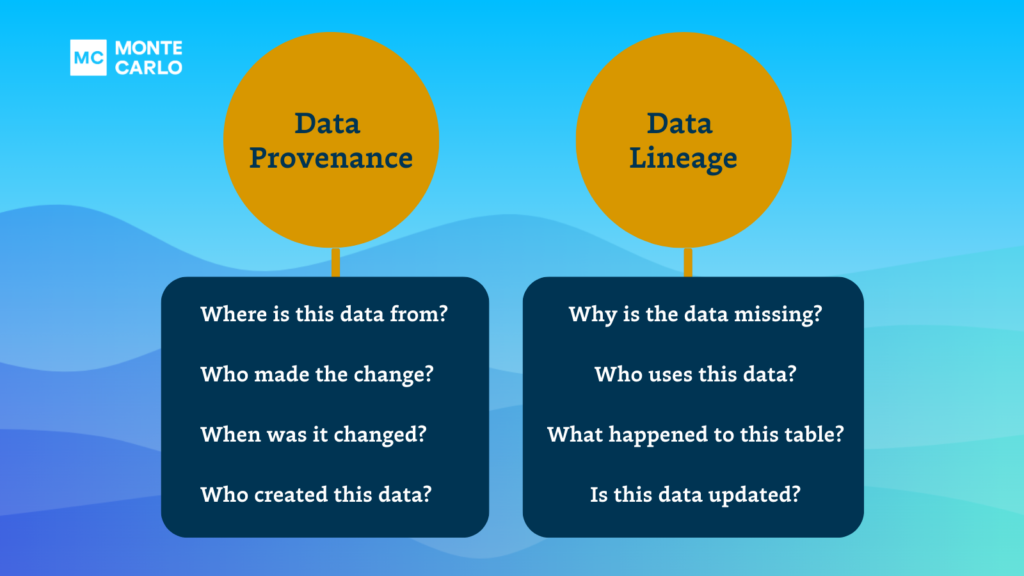
Data provenance, also known as data lineage, refers to the documentation of the origins and transformations of data. It records where the data came from, how it has been processed, and the various steps it has gone through in a Big Data pipeline. By keeping track of the data’s history, provenance provides critical insight into the quality and reliability of the data being used for analysis.
The Importance of Data Provenance in Big Data
Data provenance plays a crucial role in building trust in Big Data pipelines. Here are some key reasons why it is essential:
- Improved Data Quality: Provenance helps identify data quality issues by tracing back to the initial data sources. Organizations can monitor and rectify anomalies or errors that may occur during the data processing stages.
- Enhanced Transparency: With clear provenance, stakeholders can easily understand the origin and journey of data. This transparency fosters trust among users and decision-makers.
- Regulatory Compliance: Many industries require adherence to specific data governance standards. Provenance can facilitate compliance by providing an audit trail of how data is collected, processed, and utilized.
- Debugging and Troubleshooting: In cases of data-related issues, provenance aids in debugging by allowing teams to trace back through the pipeline to identify where things went wrong.
- Facilitating Collaboration: When different teams or departments share data, provenance ensures that everyone has access to the same understanding of data sources and transformations, promoting collaboration.
How to Implement Data Provenance in Big Data Pipelines
Implementing data provenance effectively involves incorporating practices and tools that facilitate the tracking of data lineage. Here are steps organizations can take:
1. Identify Data Sources
The first step in implementing data provenance is to clearly identify all data sources within the pipeline. This could include databases, external APIs, and logs. Understanding where data originates allows for better tracking throughout its lifecycle.
2. Use Provenance Metadata
Provenance relies heavily on metadata—information that describes other data. Organizations must develop a metadata management strategy that captures necessary details, such as:
- The source of the data
- Transformation processes applied to the data
- Timestamps for data collection and processing
- Data access logs
3. Implement Provenance Tracking Tools
There are various tools and technologies available to assist with data provenance tracking in Big Data environments. Consider using:
- Apache Kafka: For tracking streaming data changes.
- Apache NiFi: For automating data flow and recording provenance information.
- Apache Atlas: For data governance and metadata management.
4. Ensure Proper Data Transformation Logging
Every transformation or manipulation of data should be logged diligently. Implement a system that logs:
- The operations performed on the data
- The results of these operations
- The individuals or systems responsible for these changes
5. Regular Review and Audit of Provenance Information
To maintain the integrity of data provenance, it’s vital to conduct regular reviews and audits. This helps to ensure that the recorded information is accurate and that data has not been tampered with. Develop a routine auditing process to evaluate the provenance records.
Challenges in Implementing Data Provenance
While implementing data provenance can greatly improve trust in Big Data pipelines, there are challenges that may arise:
1. Complexity of Data Systems
Big Data systems often involve multiple sources and stages, creating complexity in tracking provenance. Organizations must develop a clear strategy to manage this complexity.
2. Performance Overheads
Tracking provenance adds an additional layer of processing, which can impact overall system performance. It is essential to balance the need for detailed provenance information with maintaining system efficiency.
3. Lack of Standardization
There is currently no universal standard for data provenance, leading to inconsistent implementations. Organizations should seek to adopt best practices and collaborate with industry standards organizations.
The Future of Data Provenance in Big Data
As businesses continue to rely on Big Data for decision-making, the significance of data provenance will only grow. Future trends include:
- Increased Automation: Automating the collection of provenance data through advanced tools and AI is expected to simplify the process.
- Integration with AI and Machine Learning: As AI models become more prevalent, provenance can provide vital insights into model training data and decision processes.
- Focus on Privacy and Security: There will likely be a heightened emphasis on ensuring that provenance does not compromise data privacy and security, especially in sensitive applications.
Final Thoughts on Data Provenance
Utilizing data provenance in Big Data pipelines is a powerful way to enhance trust and ensure data quality. By documenting the origins and transformations of data, organizations can foster transparency, comply with regulations, and troubleshoot issues effectively. Despite the challenges that come with implementing a robust provenance system, the long-term benefits are significant, paving the way for more trustworthy and reliable data-driven decisions.
In the dynamic landscape of Big Data, utilizing data provenance offers a significant opportunity to enhance trust in Big Data pipelines. By tracking and documenting the origins and transformations of data throughout the pipeline, organizations can ensure data quality, improve transparency, and ultimately bolster stakeholder confidence in the integrity of their data-driven decision-making processes. Embracing data provenance is not only essential for ensuring regulatory compliance and mitigating risks but also for fostering a culture of accountability and reliability in the realm of Big Data.
Related posts:
 The Five Vs of Big Data: Volume, Velocity, Variety, Veracity, and Value
 Introduction to Distributed Computing in Big Data
 Understanding Data Pipelines in Big Data
 What is Apache Hadoop? A Complete Guide
 Understanding Apache Spark: Features and Use Cases
 Introduction to NoSQL Databases for Big Data
 Understanding HBase: How it Works in the Hadoop Ecosystem
 The Intersection of Big Data and Artificial Intelligence
 Natural Language Processing (NLP) with Big Data
 How Big Data is Used in Deep Learning Applications
 Sentiment Analysis with Big Data and AI
 Real-Time AI and Big Data: How It Works
 The Impact of Big Data on Financial Services and Banking
 Big Data in E-commerce: Personalization and Customer Insights