CSS, short for Cascading Style Sheets, is a crucial component in web development used to style the visual presentation of a webpage. It primarily focuses on defining the layout, design, and appearance of HTML elements, such as fonts, colors, spacing, and positioning. Despite its importance in enhancing the user experience, CSS is not classified as a backend technology.
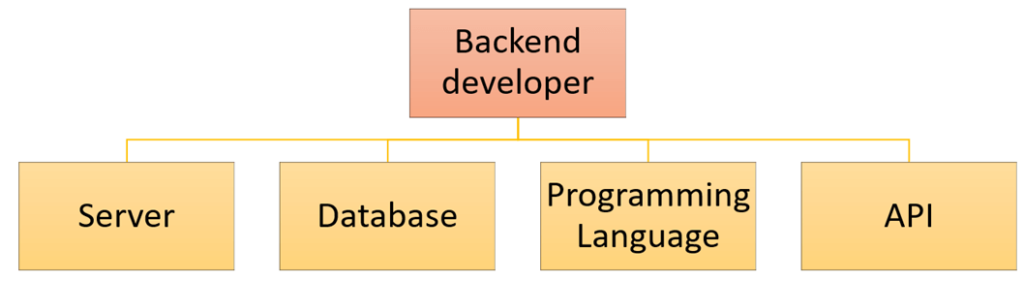
Backend technologies, on the other hand, are responsible for managing and controlling the server-side logic of a website or web application, including data processing, authentication, and database interactions. Examples of backend technologies include programming languages like PHP, Ruby, and Java, as well as databases like MySQL and MongoDB. CSS, being a client-side technology, is executed by the user’s browser and is unrelated to the server-side operations handled by backend technologies.
Overview
When it comes to web development, CSS (Cascading Style Sheets) is an essential component that plays a significant role in enhancing the visual appearance and layout of a website. However, CSS is not considered a backend technology. It is primarily used for front-end development and focuses on the design aspects of a website.
Understanding Backend Technology
Backend technology refers to the server-side processes that manage the functionality of a website. It involves handling databases, serving data and resources, implementing business logic, and enabling interactions between the front-end and the server. Common backend technologies include PHP, Python, Ruby on Rails, and Java.
The Role of CSS
CSS is responsible for controlling the presentation layer of a website. It allows developers to define styles, layouts, fonts, colors, and other visual aspects to create an engaging and user-friendly interface. Through CSS, web designers can manipulate the appearance of HTML elements, adapt the site to different devices and screen sizes, and ensure a consistent look and feel across web pages.
Frontend and Backend Collaboration
While CSS focuses on the frontend, it works harmoniously with backend technologies to create a fully functional website. The frontend, consisting of HTML, CSS, and JavaScript, handles the user interface and client-side interactions. The backend takes care of the server-side operations, database management, and data processing. Together, they form a dynamic web application.
Frontend vs Backend
To understand why CSS falls under frontend and not backend, let’s explore the differences between these two areas of web development:
Frontend Development
Frontend developers focus on creating the user-facing aspects of a website. They use HTML, CSS, and JavaScript to build the structure, style, and interactivity of web pages. Their expertise lies in crafting intuitive layouts, optimizing performance, and ensuring cross-browser compatibility.
Backend Development
Backend developers deal with the server-side logic that powers websites and web applications. They work with programming languages like PHP, Python, and Java to handle authentication, process user input, manage databases, and perform various computations required for the site to function. Backenders ensure that the website runs smoothly and securely.
CSS Limitations
Although CSS is a powerful tool for frontend development, it does have its limitations. Here are a few challenges that developers may encounter:
Functional Logic
CSS lacks functionality for implementing complex business logic. It focuses solely on design and presentation, making it incapable of handling server-side tasks or data processing. For instance, CSS cannot authenticate users, authorize access, or perform mathematical calculations.
Database Interaction
CSS has no built-in capability to interact with databases directly. It cannot retrieve or update data from a database, which is typically done through backend technologies. While CSS can visually style and display data fetched from a server, the actual retrieval and manipulation occur on the backend.
CSS is undoubtedly an essential part of modern web development. It enables developers to unleash their creativity and craft visually stunning web pages. However, it is crucial to understand that CSS is not a backend technology. Its primary purpose is to enhance the frontend design and user experience, while the backend technologies handle the server-side functionality.
By effectively utilizing both frontend and backend technologies, developers can create dynamic and functional websites that captivate users while seamlessly interacting with servers and databases.
CSS is not a backend technology. It is a front-end technology used for styling and layout purposes in web development. While CSS plays an essential role in creating visually appealing websites, it is distinct from backend technologies that handle server-side operations and data storage.
Related posts:
 How to master CSS in a month?
 Where can I run HTML and CSS code?
 Is CSS similar to C++?
 Can I skip HTML and CSS to JavaScript?
 Is it OK to learn JavaScript without HTML and CSS?
 Why is JavaScript harder than HTML and CSS?
 How much HTML and CSS do I need to know before JavaScript?
 How much CSS should I learn before JavaScript?
 Is JavaScript harder than HTML and CSS?
 How do you link CSS to HTML?
 How do I link a CSS file to HTML?
 How to link HTML CSS and JavaScript in VS Code?
 Can I write CSS in Vscode?
 How to run HTML CSS and JavaScript in Visual Studio Code?