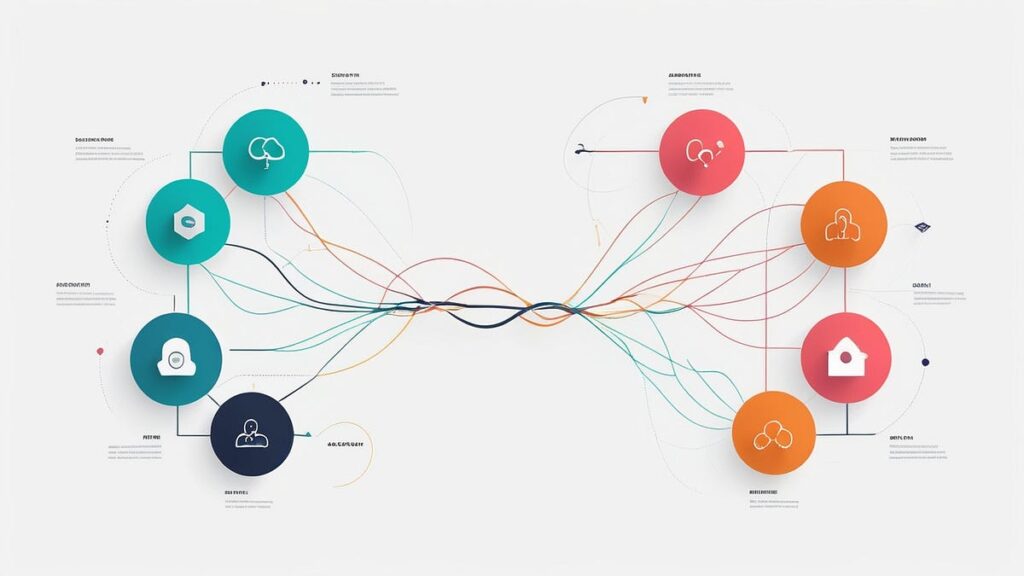
In the realm of Big Data, the efficiency and accuracy of continuous data pipelines are paramount. The integration of self-learning AI agents within these pipelines has emerged as a game-changing innovation. These AI agents have the ability to adapt, learn, and improve their performance over time without the need for constant human intervention. In this context, understanding the role of self-learning AI agents in enabling seamless and intelligent data processing within continuous data pipelines is crucial for optimizing Big Data operations. Let’s delve deeper into how these agents revolutionize the management and analysis of vast and complex datasets in real-time scenarios.
Understanding Self-Learning AI Agents
Self-learning AI agents are sophisticated algorithms capable of improving their performance by learning from data and experiences without human intervention. These agents utilize machine learning techniques to analyze patterns and make decisions based on continuous data streams. In the context of big data, self-learning AI plays a pivotal role in enhancing the efficiency and adaptability of data pipelines.
The Importance of Continuous Data Pipelines
A continuous data pipeline refers to an uninterrupted flow of data from various sources to data processing and analytics systems. The significance of continuous data pipelines lies in their ability to handle real-time data processing, thus enabling organizations to derive insights and make informed decisions swiftly. In big data scenarios, where datasets are vast and constantly evolving, the need for efficient data ingestion, processing, and analysis becomes paramount.
How Self-Learning AI Agents Enhance Continuous Data Pipelines
Self-learning AI agents significantly contribute to the optimization of continuous data pipelines through the following key functions:
1. Real-Time Data Processing
One of the primary advantages of self-learning AI agents is their ability to process data in real-time. Traditional data pipelines often involve batch processing, which can result in delays. Self-learning agents can analyze streaming data immediately, allowing organizations to act on insights as they arise. This capability is particularly crucial for industries such as finance and healthcare, where timely decisions can impact outcomes significantly.
2. Adaptive Learning and Scalability
Continuous data streams often exhibit dynamic patterns that can change over time. Self-learning AI agents adapt to these changes efficiently. Their adaptive learning capabilities mean they can incorporate new data into their models, enabling scalability. This adaptability is essential in big data environments where the volume and variety of data can overwhelm static systems. As data grows, the agents can fine-tune their algorithms to maintain accuracy without requiring significant manual intervention.
3. Enhanced Data Quality Management
Maintaining high data quality is essential for reliable analytics. Self-learning AI agents can automatically detect anomalies and inconsistencies in data streams, allowing for prompt correction. By employing anomaly detection algorithms, these agents identify outliers in real-time, ensuring that decisions are based on clean and accurate data. This capability not only improves the quality of insights derived but also instills confidence in the decision-making process.
4. Predictive Analytics and Insights Generation
Predictive analytics is an area where self-learning AI agents shine. By continuously analyzing historical data along with real-time inputs, these agents can generate forecasts and insights that guide strategic decision-making. This ability to anticipate trends and customer behaviors allows businesses to stay ahead of the competition. For instance, retailers can optimize inventory based on predictive models that account for changing consumer preferences.
5. Automation of Data Workflows
Automation is another critical area where self-learning AI agents make a significant impact. By automating repetitive tasks such as data cleansing, aggregation, and transformation, these agents reduce the manual workload on data teams. This automation leads to faster data processing and allows data scientists and analysts to focus on more complex analytical tasks. Furthermore, automated workflows help maintain consistency across data pipelines, improving overall productivity.
The Technology Behind Self-Learning AI Agents
The foundation of self-learning AI agents lies in various technological advancements, including:
1. Machine Learning and Deep Learning Algorithms
At the core of self-learning AI agents are machine learning (ML) and deep learning algorithms. These algorithms enable the agents to learn from data patterns and make predictions. Supervised, unsupervised, and reinforcement learning approaches allow for diverse applications across different domains. For example, unsupervised learning can identify hidden patterns within data without prior labeling, making it vital for big data analysis.
2. Natural Language Processing (NLP)
The integration of natural language processing (NLP) allows self-learning AI agents to process and interpret textual data from various sources. In big data contexts, effective NLP can extract insights from unstructured data such as social media feeds, customer reviews, and support tickets, enriching the data pipeline and informing business strategies based on real customer sentiment.
3. Stream Processing Frameworks
Technologies like Apache Kafka, Apache Flink, and Apache Spark enable real-time data streaming and batch processing. These frameworks support the seamless integration of self-learning AI agents into continuous data pipelines, offering robust tools for processing vast amounts of data in a flexible manner. The capability to handle rapid data streams is crucial for organizations aiming to leverage real-time analytics for competitive advantage.
Challenges of Implementing Self-Learning AI Agents
While self-learning AI agents offer numerous benefits, implementing them within continuous data pipelines comes with challenges:
1. Data Privacy and Security
As organizations increasingly rely on data-driven insights, concerns about data privacy and security have grown. Self-learning AI agents often require vast amounts of data to learn effectively, which can pose risks if sensitive information is not handled correctly. It is imperative for organizations to implement stringent data governance frameworks to protect user data while maximizing the benefits of self-learning agents.
2. Complexity of Integration
Integrating self-learning AI agents into existing data pipelines can be complex. Organizations must ensure that these agents work seamlessly with current infrastructure and data workflows. Failure to do so can lead to data silos, reducing the overall effectiveness of the analytics process. Companies often require significant investment in training and resources to successfully integrate these advanced technologies.
3. Keeping Pace with Change
The rapid advancement of AI technologies means organizations must continually update their models to maintain relevance. Self-learning AI agents must be retrained regularly to keep up with evolving data sets, requiring ongoing investment in exploring new methodologies and algorithms. This need for continual adaptation can stress existing resources and complicate management.
Future Trends of Self-Learning AI Agents in Big Data
The future of self-learning AI agents in big data is poised to evolve significantly, driven by various emerging trends:
1. Increased Collaboration Between AI and Human Analysts
As self-learning AI agents mature, the collaboration between these systems and human analysts is likely to deepen. AI can handle repetitive tasks, freeing human analysts to focus on strategic decision-making and complex problems that require human intuition and contextual understanding. This symbiotic relationship can result in more productive analysis and insightful outcomes.
2. Enhanced Personalization through AI Insights
Businesses increasingly aim to deliver personalized experiences to their customers. Self-learning AI agents can play a crucial role in this endeavor by analyzing customer interactions and preferences in real time. By leveraging AI insights, organizations can develop targeted marketing strategies, optimizing customer engagement and satisfaction.
3. Greater Emphasis on Ethical AI
As organizations leverage self-learning AI agents, there will be a growing focus on ethical AI practices. Ensuring that AI models are transparent and unbiased is essential to maintain trust with stakeholders. Developing ethical guidelines and practices will become a priority for organizations looking to integrate AI while promoting social responsibility and compliance with regulations.
The integration of self-learning AI agents in continuous data pipelines offers immense potential for enhancing big data analytics. By ensuring real-time processing, adaptability, and automation, these advanced systems can transform how organizations handle data, paving the way for more intelligent decision-making and operational efficiency.
The integration of self-learning AI agents in continuous data pipelines is pivotal in enhancing the efficiency, accuracy, and adaptability of Big Data processes. These intelligent agents not only automate tedious tasks but also continuously improve through self-learning, ensuring that organizations can achieve actionable insights in real-time from their vast data sources. This synergy between self-learning AI agents and continuous data pipelines represents a significant advancement in harnessing the full potential of Big Data for decision-making and innovation.
Related posts:
 The Five Vs of Big Data: Volume, Velocity, Variety, Veracity, and Value
 Introduction to Distributed Computing in Big Data
 Understanding Data Pipelines in Big Data
 What is Apache Hadoop? A Complete Guide
 Understanding Apache Spark: Features and Use Cases
 Introduction to NoSQL Databases for Big Data
 Understanding HBase: How it Works in the Hadoop Ecosystem
 The Intersection of Big Data and Artificial Intelligence
 Natural Language Processing (NLP) with Big Data
 How Big Data is Used in Deep Learning Applications
 Sentiment Analysis with Big Data and AI
 Real-Time AI and Big Data: How It Works
 The Impact of Big Data on Financial Services and Banking
 Big Data in E-commerce: Personalization and Customer Insights